

October 12, 2021, 4:58 am | Read time: 3 minutes
In terms of sustainability, many cruise ships still have shortcomings. On one hand, the use of heavy fuel oil results in significant environmental pollution, and on the other, a lot of waste is generated on the ships themselves, which must be disposed of. After all, thousands of passengers are transported. But what happens to all the waste produced on such an ocean giant?
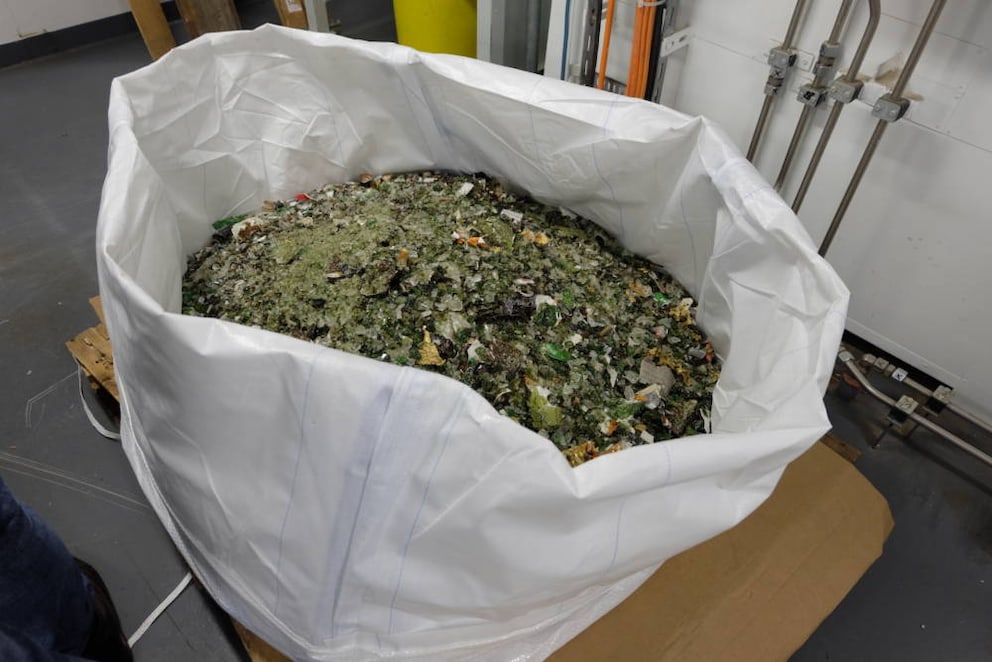
Cruise ships are considered major polluters. Ship emissions harm the environment, and a large amount of waste is generated daily on these ocean giants. Anyone who has had the chance to look into the waste sorting room of a cruise ship knows the amount of waste that accumulates after just one day at sea: cartons pile up, huge, bulging bags await collection. Everything is shredded and compressed to reduce volume. All glass bottles are also crushed in a special shredder. A waste bag is almost filled to the top with tiny glass pieces–when full, it weighs a ton.
But what actually happens to all this waste? TRAVELBOOK inquired.
Waste is separated on the cruise ship
Modern cruise ships have waste and disposal facilities as well as sewage treatment plants. Waste is separated and collected on the ship to be disposed of at the next port of call. “We separate all materials,” said Royal Caribbean spokesperson Peter Ulf Geisler to TRAVELBOOK. “Glass is crushed, cans, paper, and cardboard are compressed, baled, and handed over on land.”
Also interesting: Do I actually have to tip on a cruise?
On land, the waste is then handed over to specialized disposal companies, as Tui Cruises spokesperson Friederike Grönemeyer adds: “Due to hygiene regulations and limited storage capacities on board, we also incinerate waste directly in the ship’s own incinerator.” The energy is partially fed back into the ship’s system. By the way: Here we explain what happens to leftover food on cruise ships.
Watch the video to see how waste disposal works on cruise ships
Many cruise ships have an environmental officer
Modern facilities also ensure that all wastewater is treated and recycled. “We have a biological sewage treatment plant on board our ships,” said Geisler. “Microorganisms break down the organic substances in the wastewater.” Hazardous waste such as medical waste, as well as batteries or paint residues, are also handled with special care and handed over to disposal companies in special containers, Grönemeyer told TRAVELBOOK.

Speaking of environmental officers: Do you know how to recognize an officer on board a ship?
Additionally, Royal Caribbean and Tui Cruises employ an environmental officer responsible for waste disposal and adherence to self-imposed standards. These often do not meet the demands of environmental organizations, but as passengers become increasingly aware of sustainability issues, cruise lines are also trying to rethink their practices.