

September 9, 2025, 12:47 pm | Read time: 3 minutes
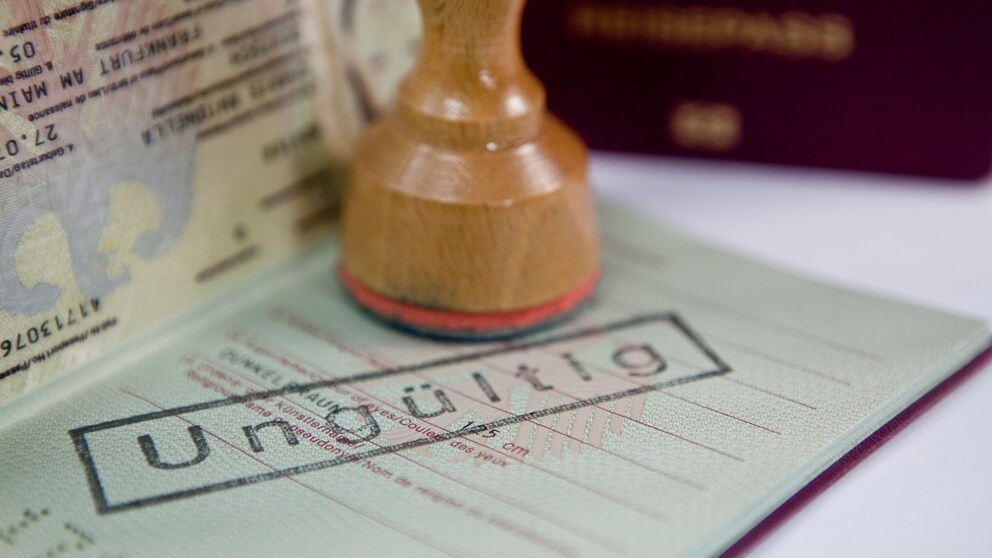
Who doesn’t enjoy getting a new stamp in their passport after a nice vacation? But soon, that will largely come to an end: More and more countries are doing away with stamps. TRAVELBOOK shows which countries will soon completely eliminate them and cases where stamps can cause issues at entry.
The era of passport stamps is slowly but surely coming to an end—at least in some parts of the world. Starting October 12, several countries will adopt a new biometric procedure, the so-called Entry/Exit System (EES). Instead of stamps in the passport, data, including photos and fingerprints, will be directly scanned. According to Time Out, the system is expected to be fully implemented in all participating states by April 10, 2026, at the latest.
Overview
Countries Where Stamps Are Being Abolished
Included are 29 European countries that are gradually abolishing passport stamps:
EU Member States in the Schengen Area
- Austria
- Belgium
- Bulgaria
- Croatia
- Czech Republic
- Denmark
- Estonia
- Finland
- France
- Germany
- Greece
- Hungary
- Italy
- Latvia
- Lithuania
- Luxembourg
- Malta
- Netherlands
- Poland
- Portugal
- Romania
- Slovakia
- Slovenia
- Spain
- Sweden
Schengen-Associated States
- Iceland
- Liechtenstein
- Norway
- Switzerland

Which Countries Require a Passport?

EU Border Control System EES Causes Chaos at Airports
Where Stamps Can Cause Problems
Israeli Stamps
Many Arab and Muslim countries, including Iran, Iraq, Lebanon, Syria, and Yemen, deny entry to travelers if an Israeli stamp or visa is visible in their passport. In other countries such as Egypt, Jordan, Morocco, Oman, and the United Arab Emirates, entry is possible even with an Israeli entry stamp, according to the German Foreign Office.
To prevent travelers from encountering difficulties due to the stamp, Israeli authorities have gradually phased out the practice: At Ben Gurion International Airport and two border crossings to Egypt and Jordan, border officials no longer use stamps. Instead, entry cards are issued. Generally, the stamp has been placed on a separate sheet for several years now.
Stamps from Countries with Entry Restrictions
Many countries now deliberately avoid stamps to spare travelers future problems. However, they have not completely disappeared. In countries like Sudan, Libya, or Somalia, stamps are still used, which can cause issues. This is particularly evident with the U.S.: If you have a stamp from one of these countries in your passport, you can no longer use the electronic short-term visa ESTA and must instead apply for a regular visa in person at the U.S. Embassy.
Also of interest: ESTA entry permit for the U.S. is becoming more expensive
Old Stamps Remain Visible
Even as passport stamps gradually disappear, older passports remain valid until their expiration date. Since all entries are retained, entry problems can still occur as long as these passports are used.
Second Passport Can Avoid Problems
In certain cases, a second passport can be applied for. According to the Virtual Town Hall Potsdam, a legitimate interest must be present for this. Reasons can include situations where entry into a country is jeopardized by proof of a stay in another state, such as due to political conflicts. Those who work for an airline or shipping company or travel frequently for other professional reasons may also be eligible for a second passport.