

March 5, 2026, 3:41 pm | Read time: 5 minutes
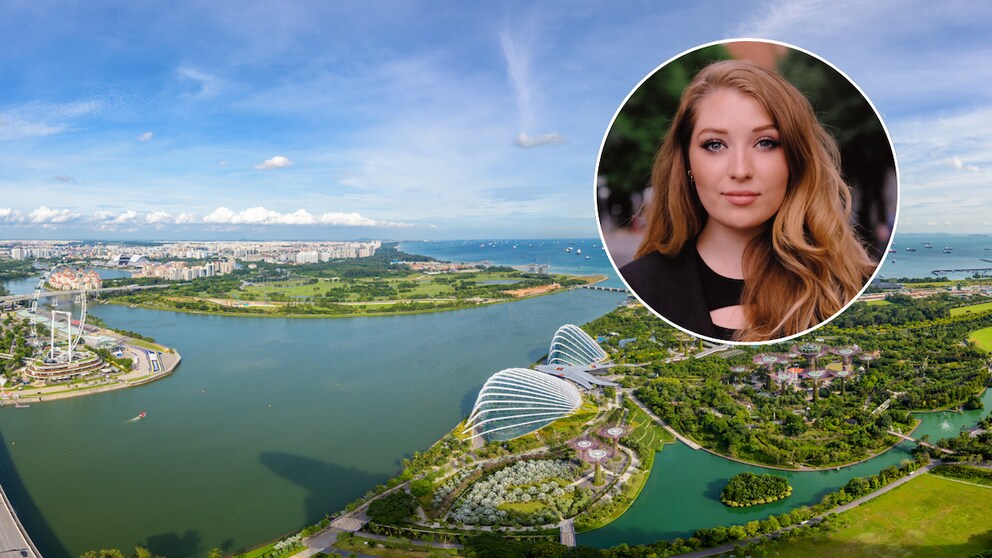
Last year, our author traveled to Singapore for the first time. She almost titled this article “Why I Would Never Voluntarily Travel to Singapore Again.” Yet, the city offers so many highlights! Her pros and cons.
For many Europeans, Singapore is considered a gentle introduction to Asia: manageable, safe, and well-organized. In a compact area, Chinese, Malay, and Indian influences converge, four official languages shape daily life, and the skyline reflects economic success. Singapore stands for prosperity, futuristic architecture, and consistent environmental management.
It also stands for clear rules and strict laws. Chewing gum? Banned. Littering? Banned. Stealing? Strictly forbidden. Which brings me directly to my first point:
Safety on Another Level
No one in Singapore fears pickpockets. Even at street food stalls on busy streets, people leave their smartphones on the table to reserve a spot while they pick up their food without worry. No one touches others’ valuables. I’ve never experienced anything like this in any other major city. In contrast, stories from Berlin, Rome, or Paris, where people have their smartphones snatched from their hands or backpacks slashed, seem almost barbaric.
The remarkably low crime rate in Singapore is no coincidence: The city-state is also known for its numerous bans and harsh penalties. Those who steal face not only imprisonment and fines but, for repeat offenses, even corporal punishment like caning. This knowledge doesn’t leave a tourist completely unfazed. Even without doing anything wrong myself, I constantly had the irrational fear of making a mistake while there.
Orchard Road and Kampong Glam Are Surprisingly Boring
Shopping is a popular pastime in Singapore, as travel guides often emphasize. Due to the extreme weather conditions, air-conditioned stores and large shopping malls are popular places to hang out. I’m used to major shopping streets in metropolises like Hong Kong and Tokyo, where flagship stores of well-known luxury brands line up—each facade more impressive than the last.
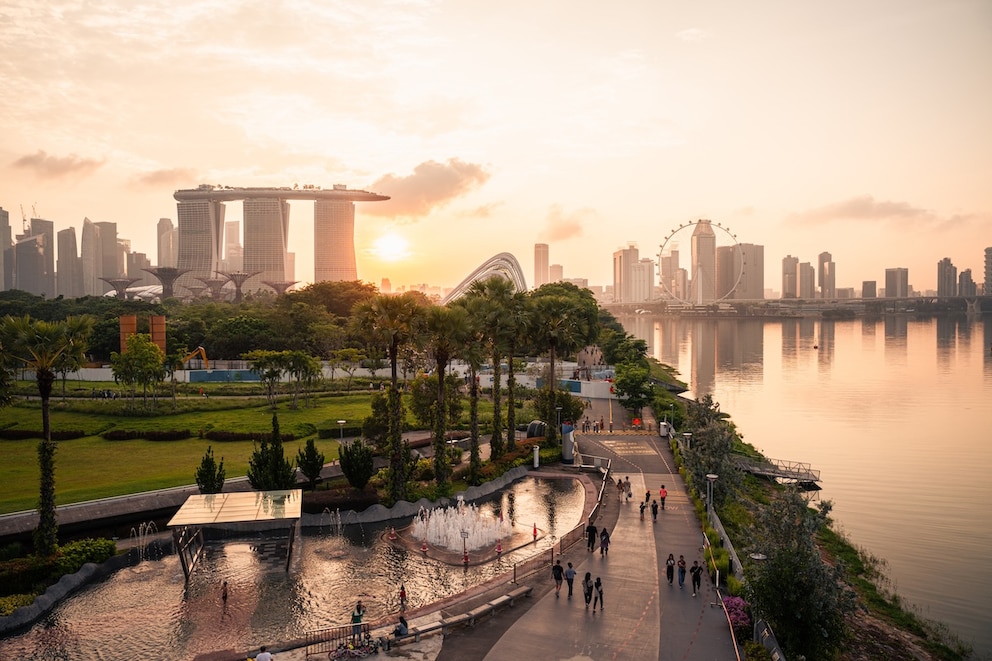
Somehow, I thought Singapore’s famous Orchard Road would top that. After all, it’s considered the shopping mile of a country with one of the highest GDPs per capita in the world. But the trip was very disappointing. The area isn’t particularly exciting.
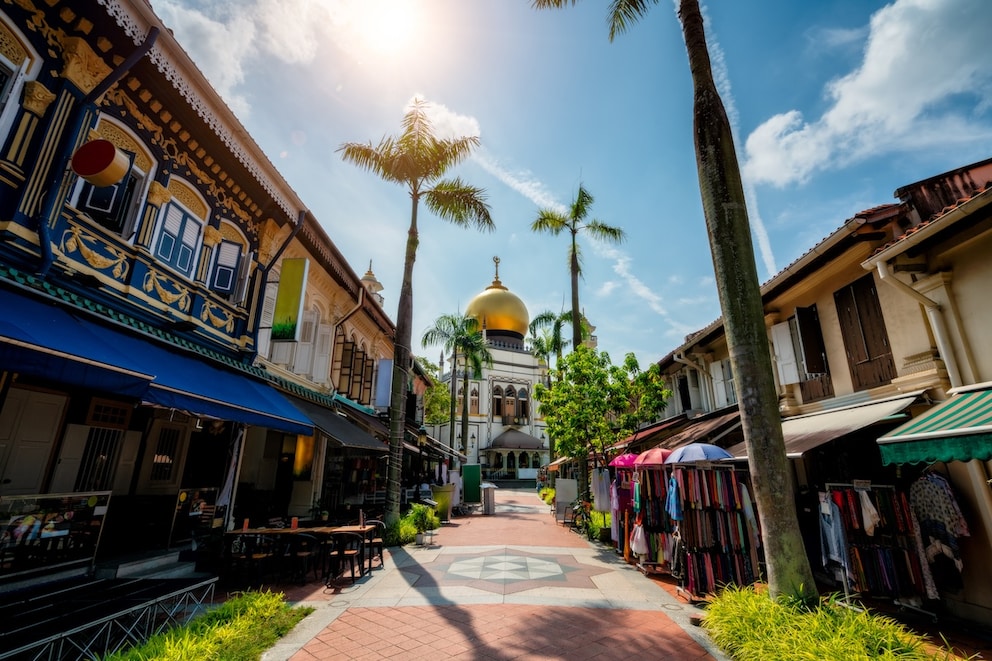
I had a similar experience in Kampong Glam, the city’s Muslim quarter. It’s considered a tourist highlight—and you can tell. Around Arab Street, cafes, bars, and souvenir shops line up, seemingly staged for tourists. A colorful Instagram backdrop: okay for a short walk, but not a place where I wanted to linger.
Chinatown and Little India feel completely different. Scents, colors, and music blend together, and people bustle through the streets. Colorfully painted temples, crowded shops, and small food stalls and restaurants line up. Real life happens here—and you can feel it.
Solid Cuisine, Thanks to the Popular Street Food Stalls?
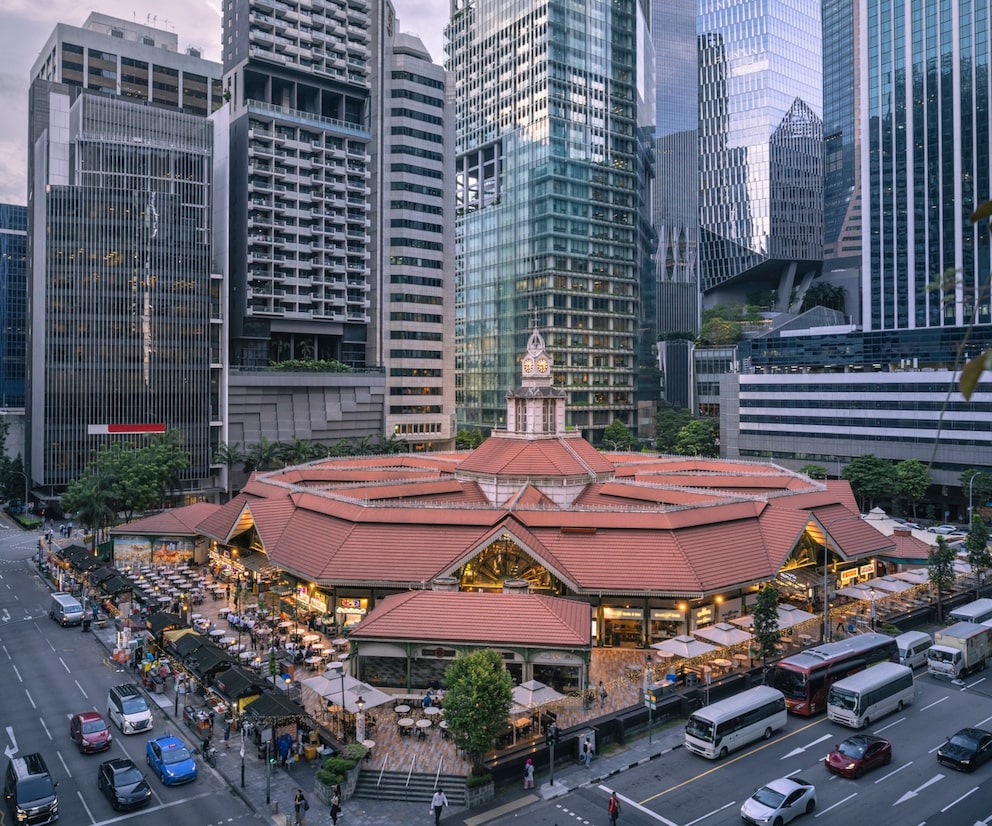
Culinarily, Singapore left me rather cold. Not because of a lack of options, as Singapore’s hawker centers are world-famous: covered food courts with numerous food stalls offering high-quality food that is very affordable compared to a restaurant visit.
However, those who travel frequently to Bangkok or Kuala Lumpur know: Other metropolises offer this variety too. Those spoiled by the abundance and accessibility of Malaysia or Thailand might find it hard to share the general enthusiasm here. After all, the culinary scene there is no less impressive, and the prices are significantly lower.
Especially for travelers who are on the road for several weeks or need to watch their budget, Singapore is simply extremely expensive. And when eating in hawker centers no longer feels like a choice but simply a limitation, the magic quickly fades. In areas frequented by many expats and Western tourists, the dishes often seemed adapted to Western tastes.

This Country Has the Most Michelin-Starred Street Food Stalls

Discover the Highlights of London in 4 Days
Unforgettable: The National Orchid Garden
A visit to the Gardens by the Bay is, of course, a must when visiting Singapore for the first time, as they are considered the city’s most popular tourist attraction. The 101-hectare park includes several greenhouses and the famous Supertrees: steel structures covered with plants that stretch their branches like extraterrestrial trees into the sky. Crowds gather here not only for the evening light show.
My first impression, standing among the plant-covered steel structures? They’re not that tall. Even the popular light show didn’t blow me away. For me, it was like many overhyped sightseeing spots that you’ve seen a thousand times in photos or videos: Up close, they often don’t seem as spectacular.
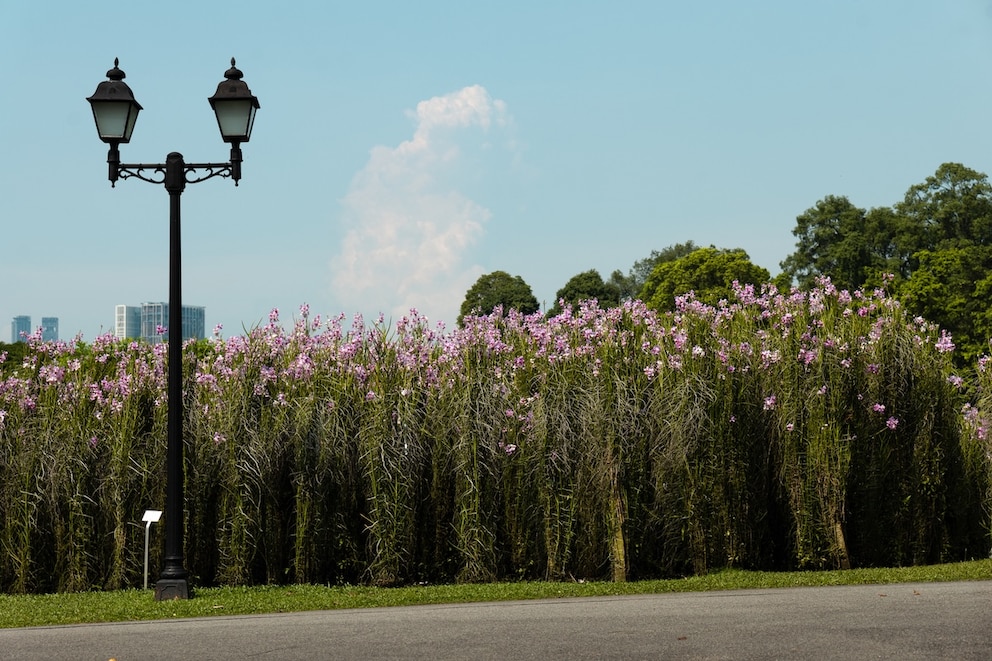
However, I had a truly fantastic time in the “old” Botanic Gardens. Singapore’s first UNESCO World Heritage site is already 158 years old and very popular with locals. The highlight of the tropical grounds? Definitely the National Orchid Garden with its over a thousand different orchid species. Radiant white, colorfully speckled, or in rich pink tones, plate-sized or smaller than a fingernail, the delicate blooms reach out to visitors here.
Animal Diversity
I was also impressed by Singapore’s animal diversity. For example, the wild chickens that populate the city and peck calmly in the grass of the green spaces. A funny sight, as we usually associate them with farms and agriculture rather than a high-rise backdrop. I also repeatedly spotted monitor lizards. They are as native here as otters and monkeys. A nice change for city dwellers like me, who in everyday life in Germany only see pigeons, leashed dogs, house cats, and occasionally a rat.