

December 5, 2025, 5:24 am | Read time: 7 minutes
When people think of the Michelin Guide, they often envision upscale restaurants with white tablecloths and multi-course meals. But times have changed: The famous restaurant guide now also recognizes street food stalls that have been serving authentic dishes for decades–often for less than ten euros. The country with the most Michelin-listed street food stalls might surprise some. TRAVELBOOK reveals which one it is.
A recent analysis by the magazine “Condé Nast Traveller” shows which countries lead in Michelin-awarded street food stalls. The result is clear: While Europe is still lagging in this development, Asia has long taken the lead. There is a clear winner–with an impressive 148 listed locations, the first place has more than twice as many spots as the runner-up.
1. Singapore
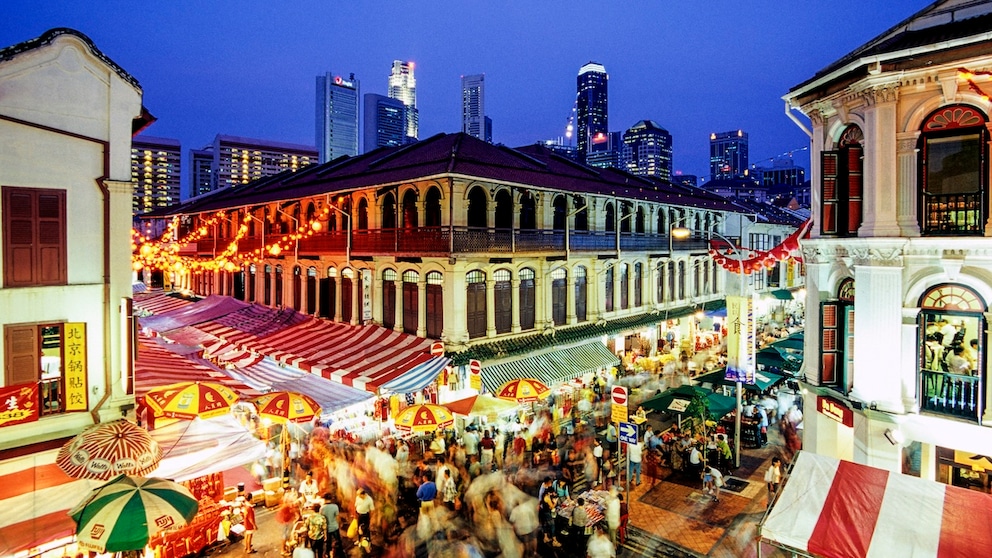
With a proud 148 Michelin-recognized street food stalls, Singapore leads the world. Most of these stalls carry the “Bib Gourmand” award–excellent cuisine at affordable prices. This reflects the city-state’s philosophy: Good food should be accessible, communal, and rooted in tradition. The variety is enormous: Fried Hokkien noodles in glossy sauce, topped with squid and crispy pork cracklings. Seafood is also offered–from simple fishball soup to delicious oyster omelets.
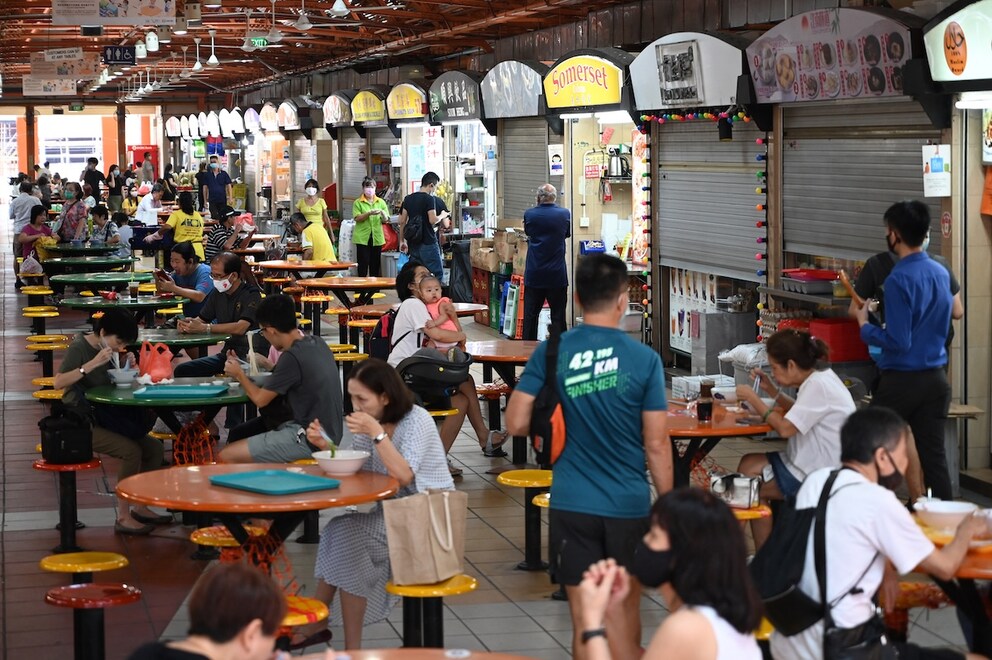
The highest concentration of awarded stalls is found in the legendary “Hawker Centres,” the covered food courts. Notable mentions include the Maxwell Food Centre, the Chinatown Complex, the Newton Food Centre (known from the movie “Crazy Rich Asians”), Lau Pa Sat, and the Old Airport Road Food Centre. Here, one highlight follows another: from Kaya toast at “The 1950’s Coffee” to Chwee Kueh and countless Xiao Long Bao and Wantan noodle stalls. Particularly charming: On East Coast Road, “Birds of Paradise” tempts with fragrant thyme waffles and botanical sorbets. “Springleaf Prata Place” honors Indian cuisine with perfect Egg Prata, while the tofu pudding at Whampoa Makan Place offers a cooling complement. Most dishes cost only 3 to 8 Singapore dollars (2 to 6 euros).
Singapore made history in 2017: “Hawker Chan” became the first street food stall in the world to receive a Michelin star–for a chicken dish that cost less than two euros. However, in 2021, it lost the star–likely due to rapid expansion, as TRAVELBOOK reported. The “Hill Street Tai Hwa Pork Noodle” stall, on the other hand, has held its Michelin star since 2016 and remains the only hawker stall with a genuine star award.
2. Thailand
With 33 Michelin-listed street food stalls, Thailand takes second place. The country’s street cuisine is flavorful and steeped in family traditions. Bangkok hosts the majority of the stalls, but Phuket, Chiang Mai, Ayutthaya, and Chon Buri are also well represented.
The absolute highlight: “Jay Fai” and her legendary crab omelet–golden brown and crispy on the outside, creamy like pudding on the inside. Just a few steps away, the family-run “K. Panich” has been serving the popular mango sticky rice for over 80 years, drawing long lines. The ripe mangoes and subtly sweetened coconut cream are perfectly matched.
In Chiang Mai, “Tue Ka Ko Na Prince” offers crispy fried taro with sweet chili sauce, while “Go Neng” delights younger visitors with fried dough sticks shaped like dinosaurs and dragons. “Khao Lam Mae Khai Toon Klao” in Chon Buri cooks sweetened sticky rice in bamboo tubes with fresh coconut milk. And in Phuket, “O Tao Bang Niao” has been serving O Tao since 1982, a pan dish of taro, seafood, eggs, and spicy sauce unique to the region. Prices remain low, under 200 baht (about 5 euros).
3. Malaysia
Malaysia’s vibrant hawker culture is particularly impressive in George Town, the UNESCO-listed center of Penang Island. Amid colorful murals, small shops, and bustling night markets, an atmosphere emerges that could hardly be more authentic–and at the same time, the ideal setting for some of the country’s most characteristic recipes.
The 27 Michelin-listed stalls provide an impressive insight into Penang’s rich culinary traditions. At “Air Itam Sister Curry Mee,” you can find Penang curry mee: light, aromatic, and enriched with squid, tofu puffs, and coagulated blood. Meanwhile, “Ravi’s Famous Apom Manis” serves soft pancakes with lace edges and hot samosas. Finally, at “My Own Café,” Penang Asam Laksa is served spicy with tamarind, mint, and mackerel.
It gets deeply Malaysian at the Sri Weld Food Court with Nasi Lemak: coconut milk rice with sambal and six selectable toppings, wrapped in banana leaves. In Kuala Lumpur, the Michelin trail continues with a focus on meat and hearty rice dishes. The local Siew Yok (roast pork) is prized for its blistered crust, while claypot chicken rice is served hot. Rice, Chinese sausage, and chicken caramelize together at the bottom of the pot to form a smoky crust. Prices are usually under 20 ringgit (about 4 euros).
Also interesting: German restaurant among the 10 best in the world
What You Should Definitely Try at Thai Markets

U.S. Food Magazine Names the World’s Best Cities for Food
4. Hong Kong
Hong Kong’s street food balances Cantonese roots with a subtle British influence–a combination that is particularly evident in the dessert scene. Unlike most Asian street food lists, sweets take center stage here and make up the majority of the 26 Michelin locations.
At “Beanmountain” in Causeway Bay, you can find the distinctly herbal Hakka tea cake–a very region-specific taste. Especially banana roti stalls are crispy and freshly prepared all over the city. In Hung Hom, “Hung Hom Pancake” has maintained its reputation for four decades with three-colored egg waffles that have crispy edges. For classic Cantonese sweets, “Mrs Fong Chinese Desserts” offers red bean cakes and black sesame rolls. Traditional Chinese sweet soups are also on the Michelin list–silky soups at “Kai Kai” or the warm versions at “Shum Shum Desserts.”
The savory options are fewer but no less memorable. “Mak Kee” serves layered scallion pancakes–crispy on the edges and chewy inside. And at “Cheung Hing Kee,” you can find Sheng Jian Bao (fried soup dumplings) with fillings like mala pork, truffle, crab meat, and even roe. Prices remain under 100 Hong Kong dollars (about 10 euros).
5. Vietnam
With 24 Michelin-listed street food stalls spread across Hanoi, Ho Chi Minh City, and Da Nang, Vietnam’s street cuisine focuses on hearty, slow-cooking techniques. At the center is Phở, the country’s undisputed classic. In the early morning hours, locals combine steaming bowls of the aromatic broth with soft-boiled eggs and crispy, fried dough pieces.
In Ho Chi Minh City, “Cơm Tấm Ba Ghiền” is famous for its steamed rice with pork chops, marinated in a closely guarded family sauce. Just a few streets away, “Cô Liêng” serves chopped beef in betel leaves, grilled to a smoky perfection.
Hanoi’s offerings start with “Bánh Cuốn Bà Xuân” and its delicate steamed rolls with minced pork and black fungus–ideal with a dash of fish sauce and fresh herbs. In Da Nang, “Quán Nhân” offers a bowl of duck porridge made from a local duck breed from Cẩm Nam Island–cooked with rice, mung beans, and Job’s tears seeds for a warming effect. Prices are under 100,000 Vietnamese dong (about 3 euros).