

February 17, 2026, 4:23 pm | Read time: 5 minutes
When it comes to Hanseatic cities in Germany, many immediately think of Hamburg or Bremen. However, there are many more cities that hold this title or were part of the historical Hanseatic League, away from the coast. TRAVELBOOK presents seven of the most beautiful and lesser-known Hanseatic cities in Germany.
The foundation for the Hanseatic League was laid by traveling merchants who wanted to protect themselves against pirates and pursue their economic interests. This was already in the 12th century. At its peak, more than 200 cities around the Baltic Sea and inland were part of the Hanseatic League. However, its influence extended much further. There were trading posts from Portugal to Russia and from Finland to the Mediterranean, according to the website of the International Hanseatic League. For more than 400 years, the Hanseatic League shaped the economy, trade, and politics until it lost significance in the mid-17th century.
In 1980, the International Hanseatic League was founded. The website states that the aim is to revive the common heritage of the Hanseatic era. The league now has almost 200 members in 16 countries. Any city or municipality that was part of the historical Hanseatic League can become a member. Today, however, it is no longer about asserting historical interests but about exchange and cooperation.
Every year, the Hanseatic Day is also celebrated, a tradition from the Middle Ages. It is hosted by a different Hanseatic city each time.
Hanseatic City of Havelberg
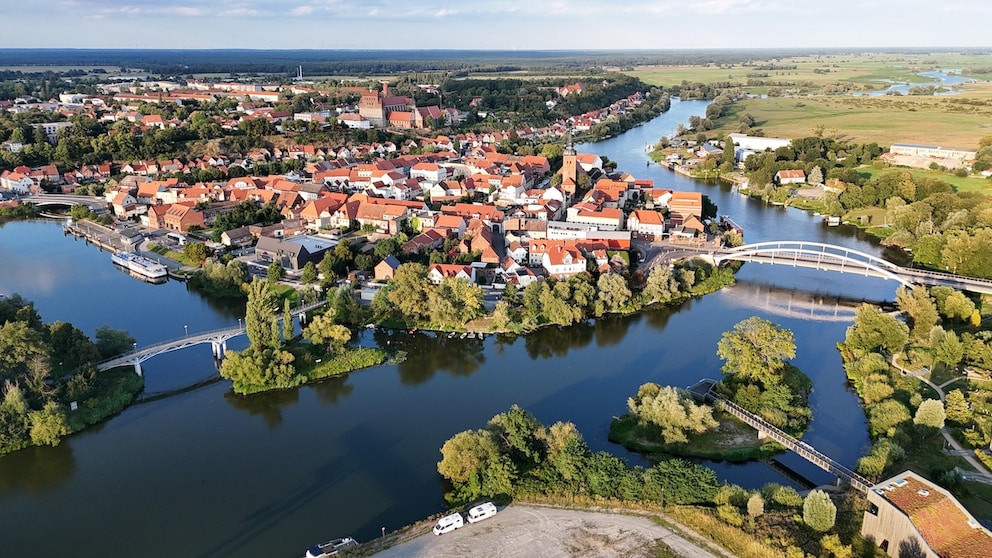
Since 2008, Havelberg in Saxony-Anhalt has been an official Hanseatic city again. What is special about Havelberg is its location. The city center is situated on an island. In addition to medieval structures with charming eaves and gable houses, you will also find a marina, a shipyard, a camping island, passenger ships, and a boat rental.
The city’s landmark is St. Mary’s Cathedral. The historic salt market with its half-timbered houses and the atmosphere of the old town is particularly beautiful. A real highlight is the Königsfließ waterfall. Although it is not directly in Havelberg, it is in the vicinity and makes for a nice excursion.
Hanseatic City of Herford
Herford was a Hanseatic city from the Middle Ages until the 17th century and has held this title again since 2013. The city is located in North Rhine-Westphalia and was one of the most important trading cities in Westphalia during the early Middle Ages. Trade was primarily in grain, beer, and linen, as well as other regional goods. Today, the numerous historic buildings such as the Münster Church, the Frühherrenhaus, and the Century Fountain are particularly worth seeing. Half-timbered houses and winding alleys give the typical old town flair.
Hanseatic City of Salzwedel
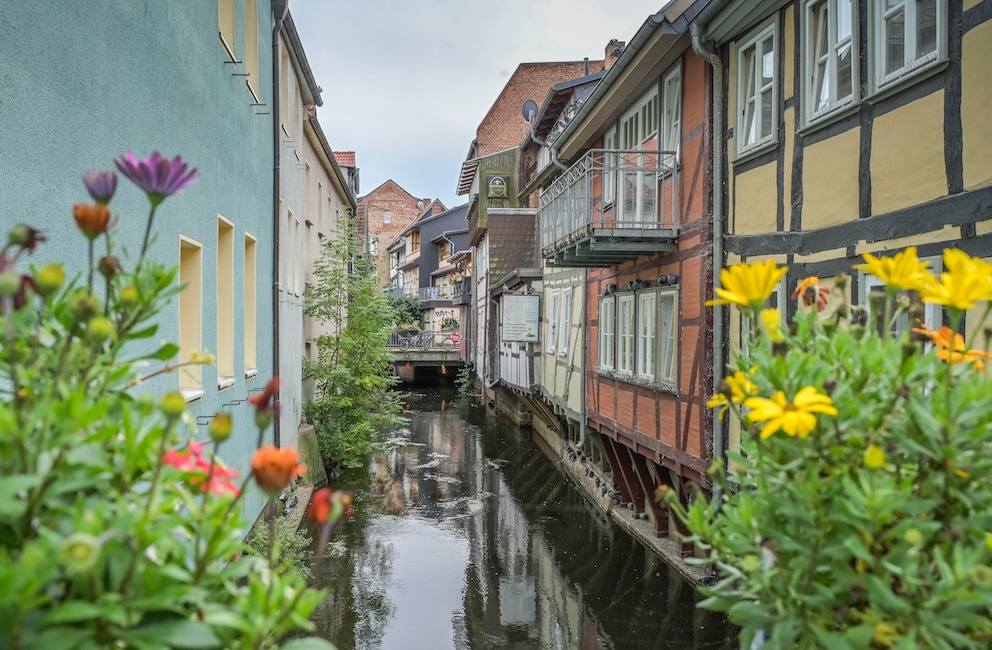
More than 750 years ago, the history of the Hanseatic city of Salzwedel began, which has officially held the title again since 2008. The city was connected to the Elbe River and thus to Northern European trade through the Jeetze River. Primarily wood, metals, animal hides, grain, textiles, and some foodstuffs were traded.
Today, Salzwedel’s old town is especially worth a stroll. You walk over old cobblestones past half-timbered houses and the old city wall. Salzwedel is also known to many as the Baumkuchen city. The fine pastry was first verifiably made there in 1807.
Hanseatic City of Wismar
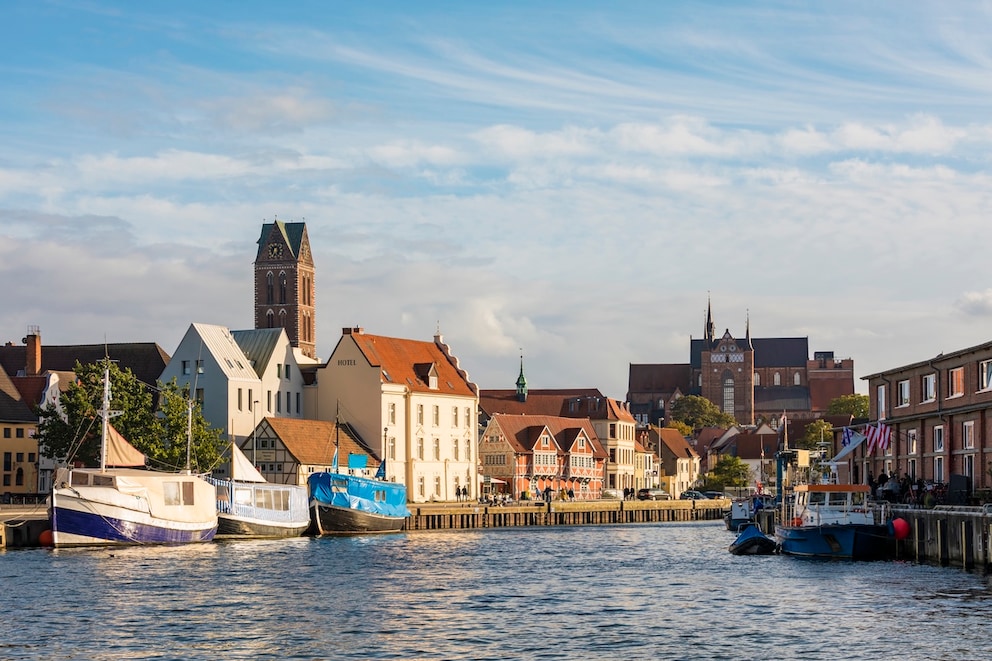
Wismar may not be a surprising addition to the list of Hanseatic cities—after all, the city even includes the title in its vehicle registration plate and is located directly on the Baltic Sea in Mecklenburg-Western Pomerania. However, Wismar is well worth a visit. Once known for its Wismar beer as an export hit, today other things are in focus. The historic old town has been a UNESCO World Heritage Site since 2002. The harbor is also particularly significant economically. At the old harbor, you will find numerous restaurants and traditional ships. Wismar is considered one of the most beautiful cities of North German Brick Gothic.
Merseburg
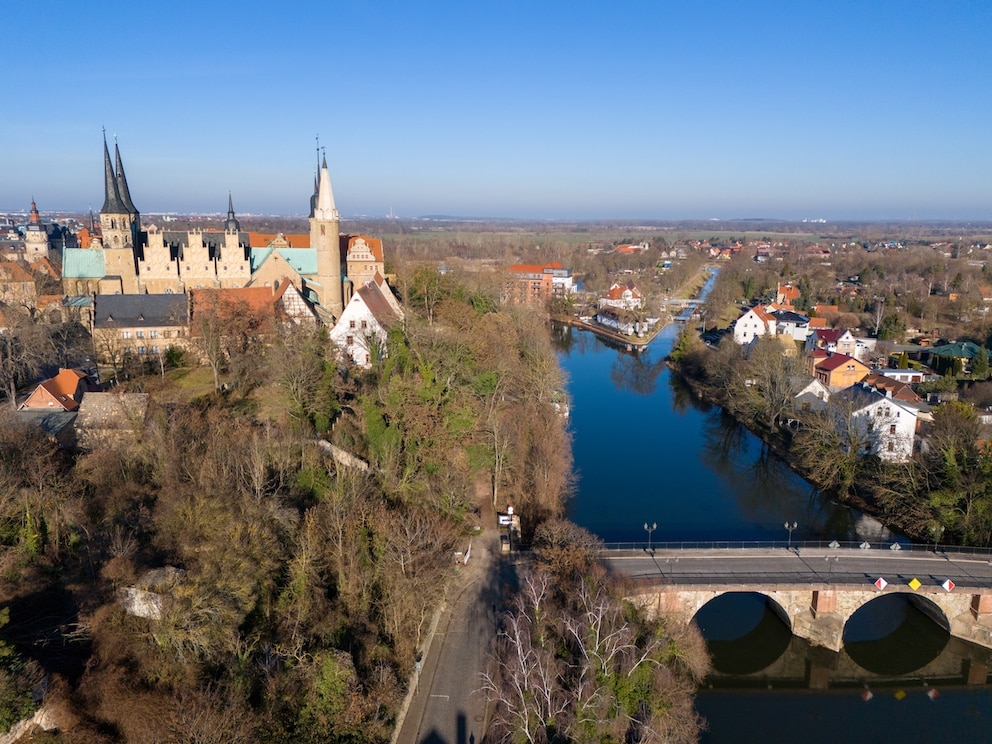
Although not officially titled a Hanseatic city, Merseburg in southern Saxony-Anhalt is still part of the Hanseatic League. It is one of the oldest cities in Central Germany and joined the Hanseatic League in the 15th century. The famous Merseburg Incantations were also discovered in the Merseburg Cathedral. They likely originated in the 9th or 10th century and provide insights into the pre-Christian mythology of the Germanic peoples.
For those who prefer an active vacation, you can cycle along the Saale Cycle Route. Boat tours and canoe trips are also possible on the Saale.
2,100 Half-Timbered Houses! Germany’s Hidden World Heritage Gem
4 of the Most Beautiful Christmas Markets in Saxony-Anhalt
Perleberg
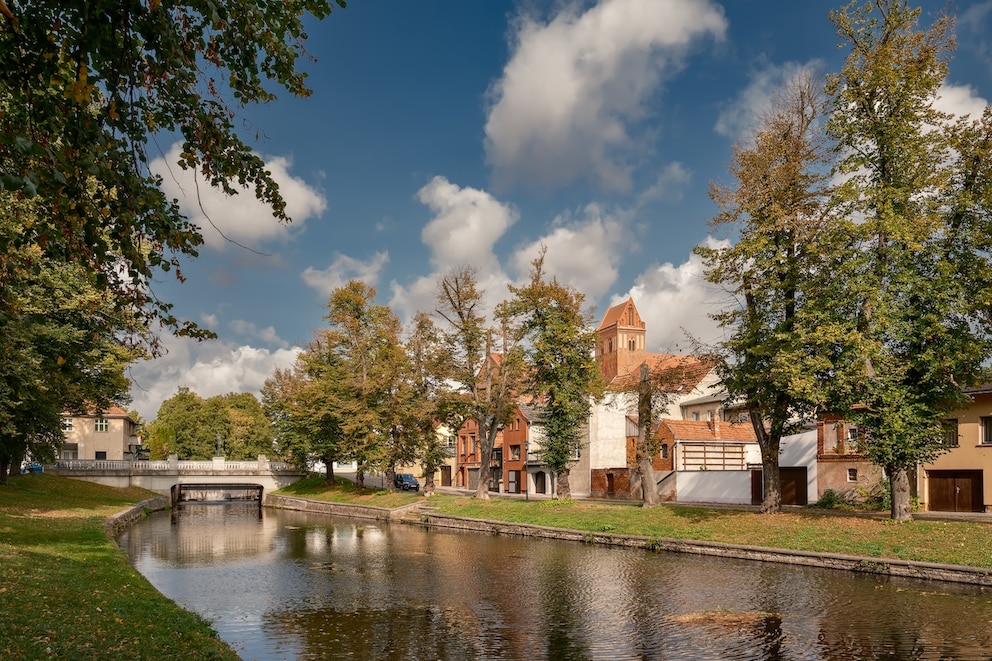
Perleberg’s location was ideal for trade. Trade routes by water and land extended to both the North and Baltic Seas as well as to southern Germany. Even today, Perleberg still has a historic city center, with the medieval layout largely preserved. The tower of St. Jacobi Church also shapes the city’s silhouette—from the top, you can look out over the entire Prignitz region.
Quedlinburg
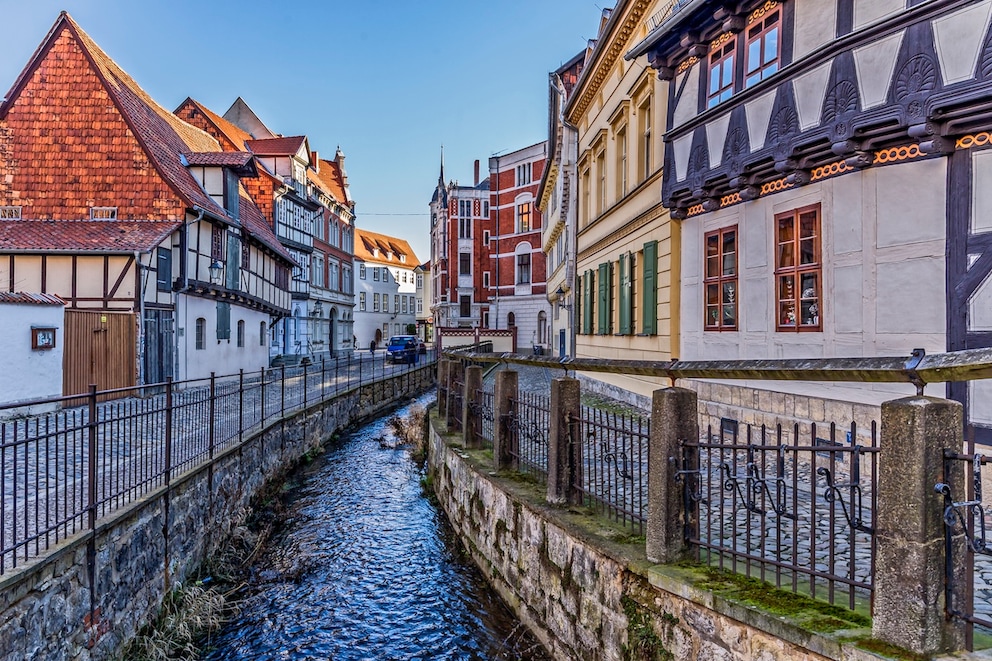
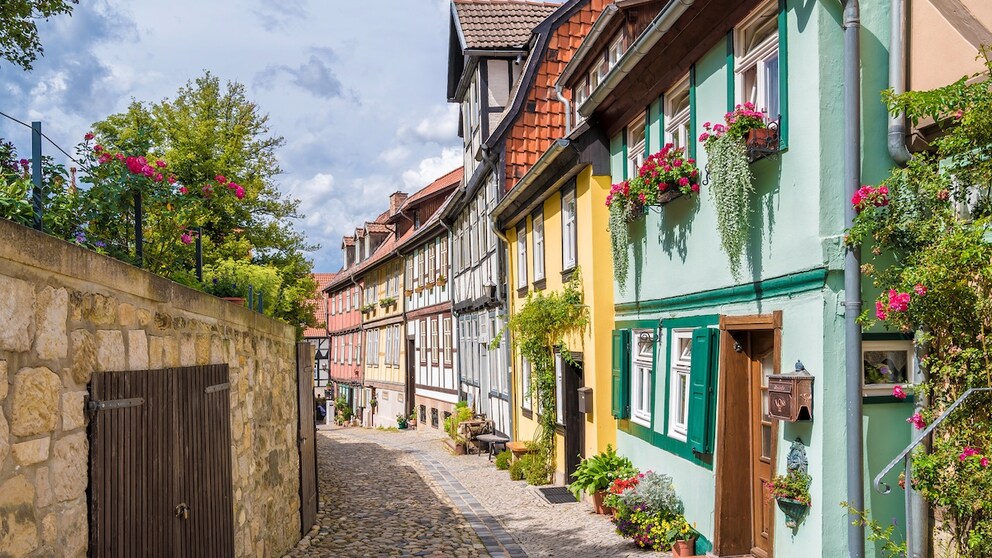
Even though it was only briefly a member of the Hanseatic League, Quedlinburg is now part of the Hanseatic League. Due to its short membership of about 50 years, little from that time has been preserved. However, the UNESCO World Heritage city boasts around 1,300 half-timbered houses from the 8th century.