

November 13, 2025, 10:51 am | Read time: 3 minutes
Swimming is currently banned on the east coast of the popular Canary Island of Gran Canaria: Several beaches have been closed due to a mysterious yellow slime. A strong fishy smell is in the air, and red flags are flying at the usually well-visited bathing areas. TRAVELBOOK explains the background.
What exactly is behind the mysterious slime is still unclear. The noticeable mass is spreading along the east coast, causing uncertainty among locals and tourists. Initial indications point to possible environmental issues—and also bring the island’s aquaculture into focus.
Yellow Carpet in the Sea Causes Alarm
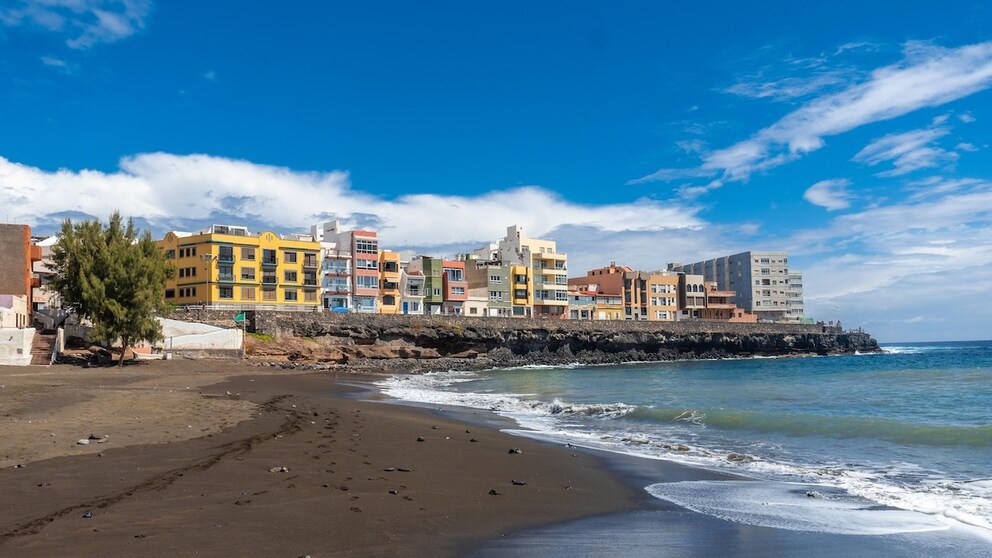
What initially looked like an algae film turned out to be a large, viscous slime carpet spreading along the coast from Agüimes to Telde. The beaches of Vargas, Los Tres Peos, Punta de los Cuervitos, Playa Melenara, as well as the popular holiday beaches San Agustín and Las Burras in San Bartolomé de Tirajana, are particularly affected.
As reported by “Teneriffa News,” the municipalities imposed a swimming ban on Tuesday, November 4, “for safety reasons” and to protect visitors. Authorities described it as a precautionary measure until the origin and composition of the substance are clearly identified. The island’s health department has taken samples, which are currently being analyzed in the lab. Additionally, the Canary Islands government has activated a civil protection plan at alert level due to marine pollution.

The Best Tips for a Vacation on Gran Canaria

Famous Travel Guide Advises Against These Destinations in 2026
Mystery Surrounding the Cause
Residents had reported a pungent odor reminiscent of rotten fish days earlier. The environmental organization Ecologistas en Acción has since filed an official complaint with the city of Agüimes. According to spokeswoman Consuelo Jorges López, it is a “yellow, viscous mass” with a strong fishy smell.
A fish farm off the southeast coast of Gran Canaria is under suspicion. The company Aquanaria operates large tanks for breeding sea bass in the so-called “aquaculture area” between Punta de Tarajalillo and Corral de Espino beach. Whether substances leaking from there are responsible for the pollution is currently being investigated.
Swimming Ban Remains in Place for Now
The municipalities are taking no risks: Red flags mark the affected beaches, and tape and warning signs prevent access to the water. Cleaning teams are working continuously to remove the slime.
The results of the water analyses are expected to provide information about the cause, according to local authorities. Only then can a decision be made about lifting the closures. As reported by “Infos Gran Canaria,” there is still no all-clear—swimming remains banned on Gran Canaria’s east coast for now.