February 21, 2024, 11:27 am | Read time: 8 minutes
Along Brazil’s approximately 7,500-kilometer coastline, one dream beach follows another. A somewhat underrated section is the Costa Verde, which stretches between the metropolises of São Paulo and Rio de Janeiro. TRAVELBOOK visited and reveals what makes this coastal landscape so unique and worth visiting.
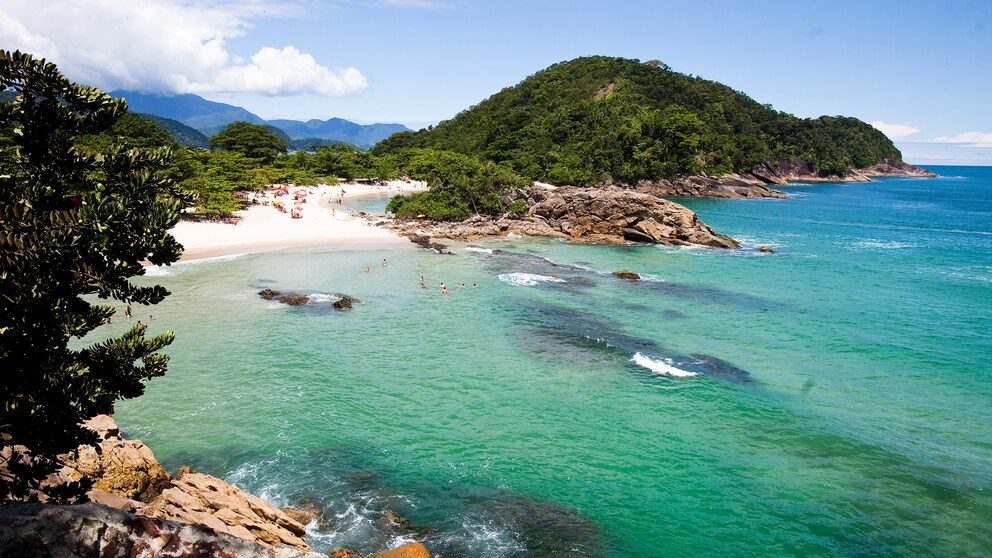
When thinking of Brazil’s beaches, most people think of the well-known coastal regions in the northeast of the country, such as Bahia and Pernambuco, or the famous Copacabana and Ipanema in Rio de Janeiro. Few suspect that one of the most beautiful coastal landscapes in Latin America stretches between Sugarloaf Mountain and the metropolis of São Paulo. The Costa Verde in Brazil offers the perfect backdrop for a road trip along the Atlantic. Kilometers of sandy beaches, small colonial towns, hidden bays, and fairy-tale islands make the coast between the states of São Paulo and Rio de Janeiro one of the most beautiful in the world. TRAVELBOOK lists the most beautiful beaches of the “green coast.”
Also interesting: 15 things to avoid in Rio de Janeiro
Santos and Guarujá
On short and long weekends, many Paulistas, as the residents of São Paulo are called, head to the beaches of the Costa Verde. Some go directly to Santos or Guarujá: Both port cities are about 215 and 230 kilometers away, respectively, and roughly a 3-hour drive, but still relatively close for stressed city dwellers. Consequently, the beaches are crowded–and unfortunately, so are the huge hotels. Those seeking untouched nature should only visit these places briefly–perhaps to see the famous FC Santos stadium where Pelé played for 18 years–and then head directly towards São Sebastião. The municipality of São Sebastião is home to the city of the same name and some of the most sought-after beaches and islands in the region.
The Most Beautiful Beaches on Brazil’s Costa Verde
Riviera de São Lourenço
The Riviera de São Lourenço is essentially a large gated community, a residential complex that is also secured, where some wealthier residents of São Paulo have vacation homes. Upon entry, you pass through a large gate. However, since the beach in Brazil is always public by law, the coastal area is accessible to everyone and a great place to spend a day by the sea.
Juqueí
The beach of Juqueí (sometimes spelled Juquehy) is about three kilometers long. Unlike some other coastal sections in the region, the sea is usually very calm, making it excellent for swimming. This makes Juqueí ideal for families. On weekends, it can be quite crowded in spots. Brazilians enjoy being close to others, chatting, and eating and drinking together. However, if you walk a bit along the beach, you’ll always find a relatively quiet spot.
Ilhabela
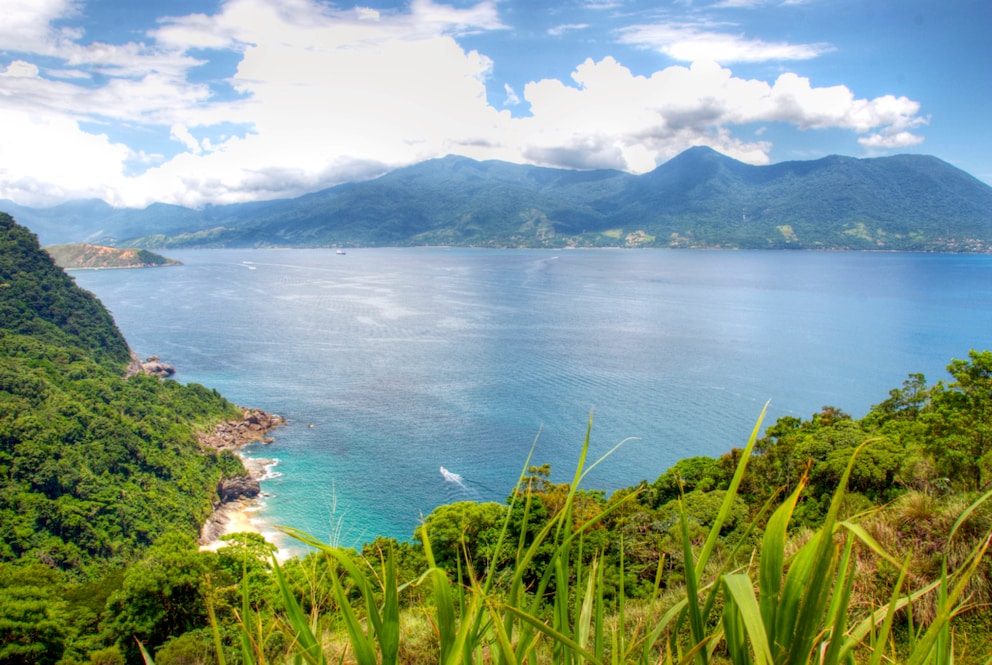
Directly across from the city of São Sebastião lies one of the most beautiful islands of the Costa Verde in Brazil: Ilhabela (translated: beautiful island). A ferry takes vacationers across the strait in about 15 to 20 minutes. At 350 square kilometers, Ilhabela is the fourth-largest Atlantic island in Brazil, known for its secluded sandy beaches and romantic pousadas. Pousadas are guesthouses that are not characterized by luxury in the conventional sense of classic 5-star hotels but rather by their unique atmosphere and special charm. However, the island also has many mosquitoes, so it’s highly advisable to stock up on mosquito repellent and use the mosquito nets in accommodations.
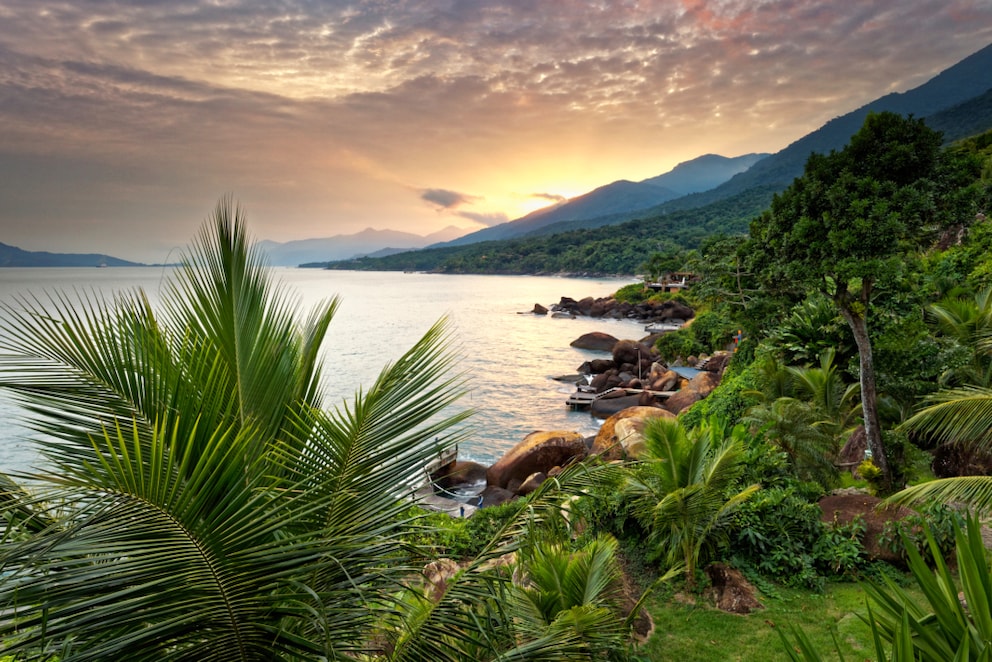
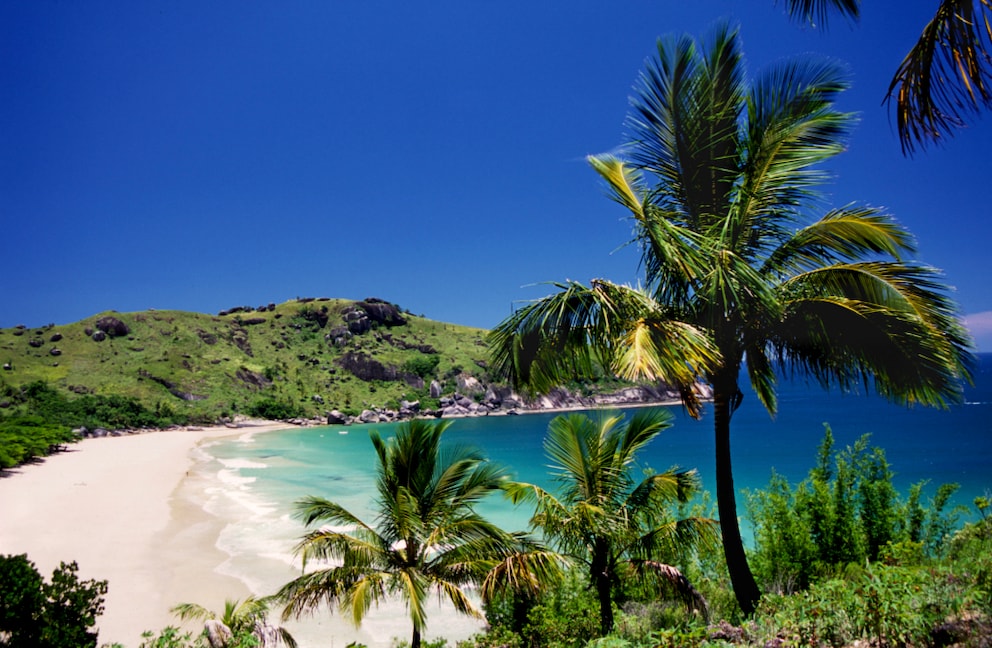
While the north side of Ilhabela is already very touristy, on the south side you can still find some places that exude the charm of the undiscovered. Here, there are numerous waterfalls, seemingly enchanted jungles–and some of the island’s most beautiful beaches. Particularly worthwhile:
- Praia do Julião (be sure to enjoy a sunset here!)
- Praia da Feiticeira
- Praia do Veloso
- Praia de Indaiaúba
- Praia do Bonete
Ilhabela also has a reputation as a graveyard of sunken ships: Several shipwrecks can be found in the waters around the island, some of which are accessible for diving. Particularly intriguing is the story of the Príncipe de Asturias, the “Spanish Titanic”, which is said to still hold countless treasures of gold.
Maresias
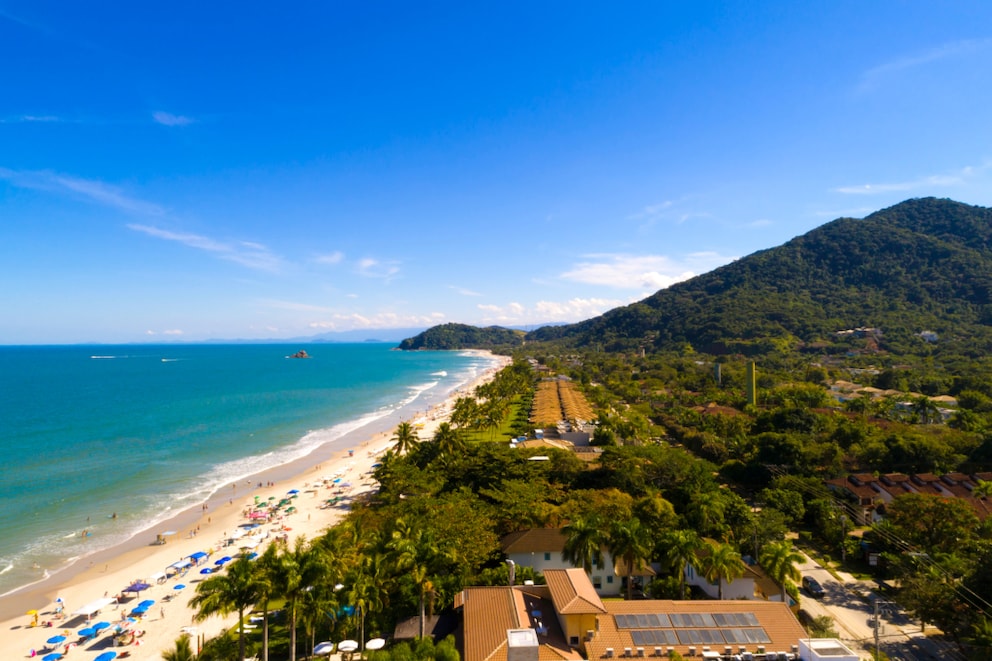
Maresias is often referred to as “the Ipanema of the Paulistas,” attracting many people and can therefore be quite lively. However, a visit is worthwhile, as the approximately four-kilometer-long beach offers not only white sand but also turquoise water on many days. Additionally, vacationers will find excellent infrastructure with restaurants and bars at this Costa Verde beach in Brazil.

Ubatuba
A very beautiful and also popular coastal section of the Costa Verde in Brazil is Ubatuba, known among Brazilians as Uba-Chuva (Uba-Rain) due to the sometimes rainy weather. There are more than 100 beaches to discover here–some on small islands–including:
- Praia do Português
- Ilha do Prumirim
- Praia da Almada
- Maranduba
- Praia do Lázaro
- Praia da Sununga
- Itamambuca
- Vermelha
- Saco da Ribeira
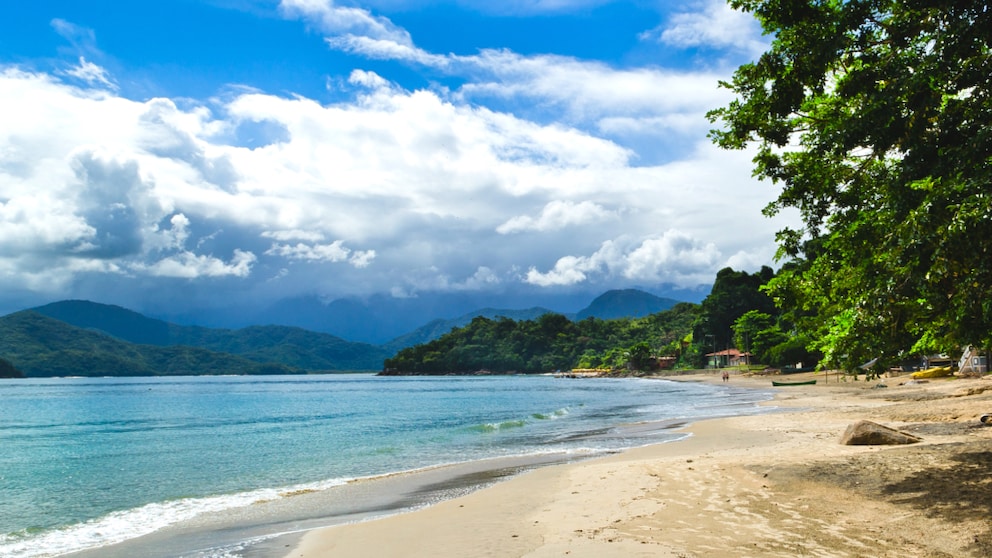
The region is already well-known among surfers, as Ubatuba is the surfing capital of the state of São Paulo. Some of Brazil’s most important surfing competitions are held here. Consequently, the surf is strong, so some beaches are not necessarily recommended for swimming. However, there are also numerous bays where you can swim peacefully.
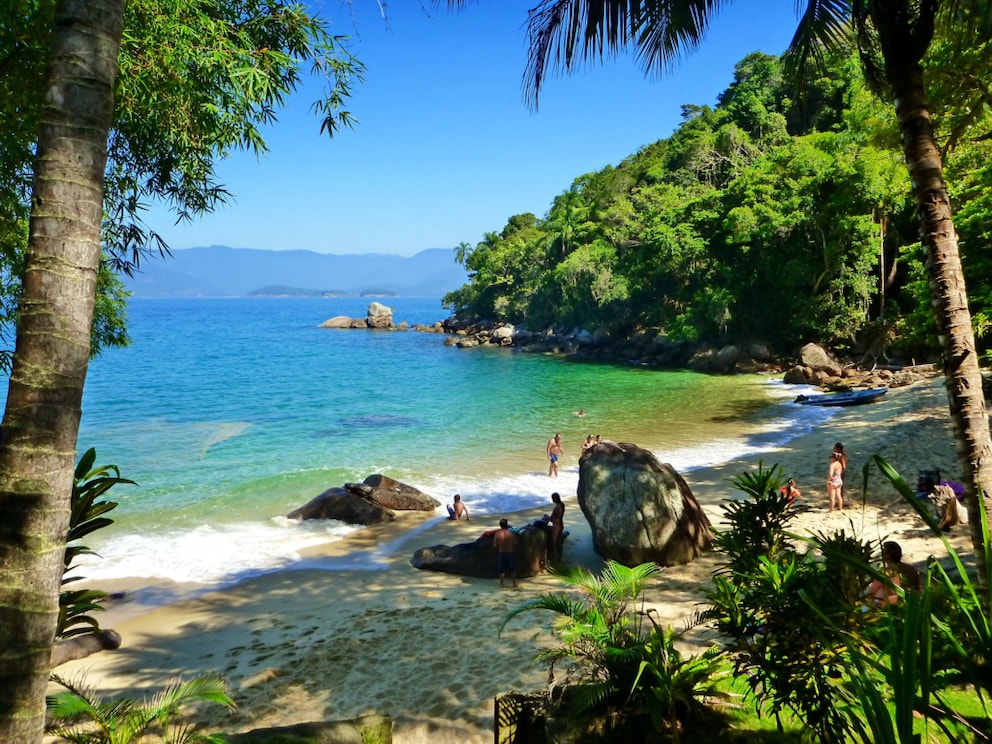
A hidden gem in Ubatuba is the Ilha das Couves (translated: Cabbage Island), a small island off the coast of Ubatuba. With its small bays and reefs, it is a paradise for snorkelers and divers.
Ubatuba is also historically interesting because the German Hans Staden survived nine and a half months in the 16th century in the captivity of the indigenous Tupinambá tribe. They were known for ritually eating their captives. However, with a mix of fate and skill, he eventually managed to be freed. Back in Germany, he wrote the “True History.” The book became a bestseller at the time. Learn more about Hans Staden here.
The Colorful Colonial Town of Paraty
A highlight on the Costa Verde is undoubtedly the charming town of Paraty. The historic center consists of Portuguese houses, whitewashed with brightly painted window frames. Car traffic is prohibited here. However, walks can be challenging if you opt for the typical Brazilian flip-flops, as the ground is made of large cobblestones.
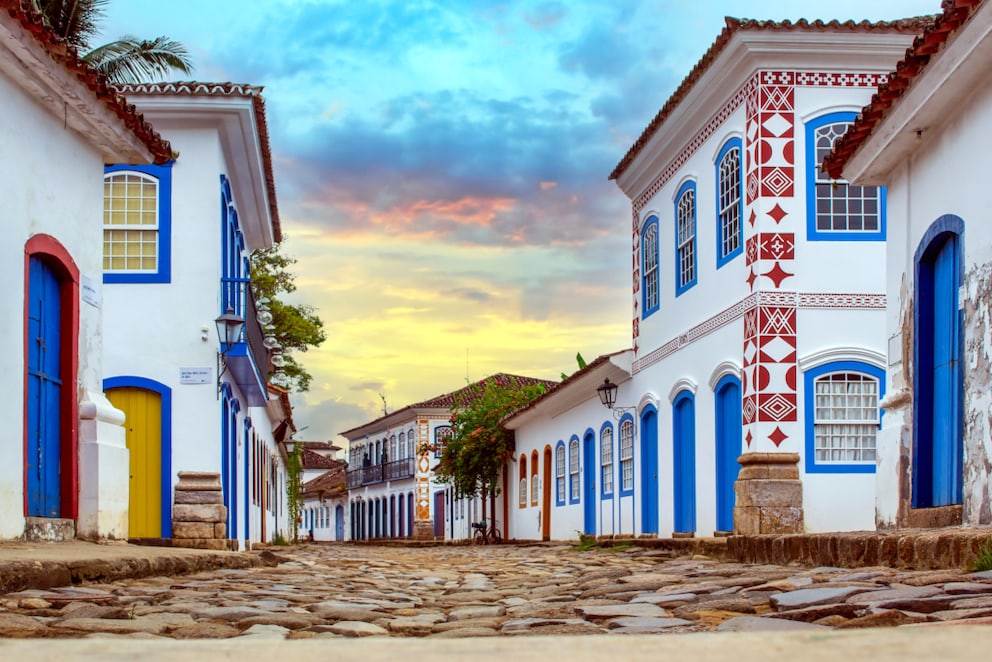
The beach in the town itself is not really recommended. But the small fishing port of Paraty is the starting point for boat trips to the approximately 60 offshore islands, which offer hidden bays as well as flora and fauna. Numerous music festivals also make the town a worthwhile destination throughout the year. Paraty offers a lot of culture: Once a year, the international literature festival FLIP (Festa Literária Internacional de Paraty) takes place.
To the south, you can explore the Serra da Bocaina National Park: Here, rare howler monkeys and cute tapirs live.
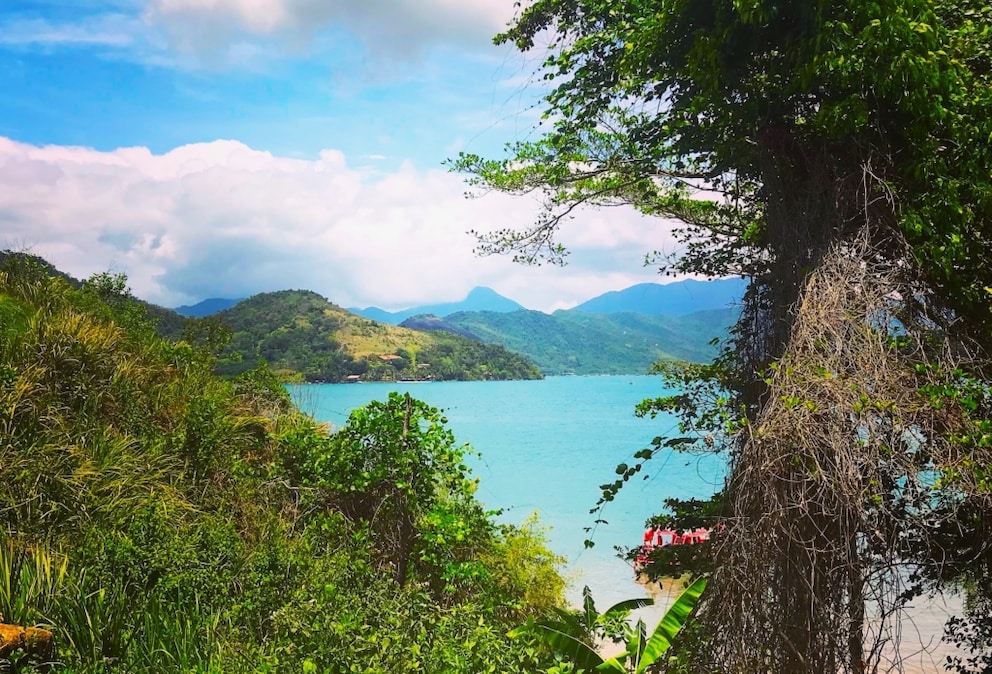
In Paraty, you can also visit the birthplace of Julia Mann, the mother of Heinrich and Thomas Mann. The Fazenda Boa Vista can be visited today, but the crowds are limited–partly because the property appears somewhat dilapidated. Regrettable, given the wonderful setting that offers a view of the Baía Carioca.
Also part of the municipality of Paraty is the small town of Trindade, which is particularly popular with long- and short-term dropouts. During the day, you can relax on the beaches, and in the evening, enjoy a few drinks and snacks in the bars with Brazilian reggae.
TRAVELBOOK editors reveal their favorite destinations
11 of the Most Beautiful Beaches in Portugal’s Algarve
Angra dos Reis
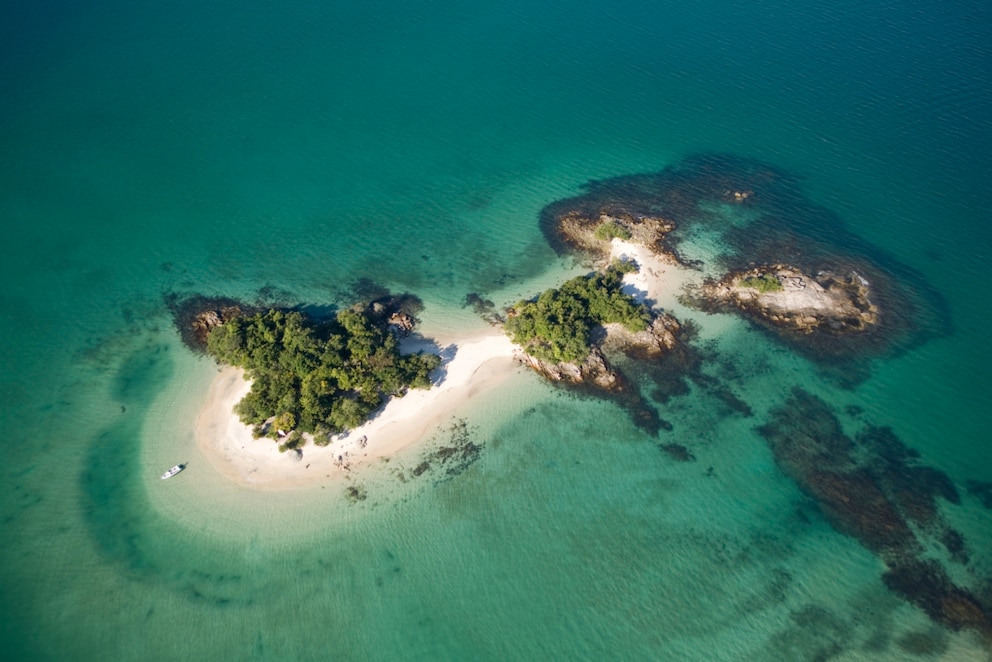
Angra dos Reis, located 170 kilometers south of Rio de Janeiro, comprises around 360 islands. Many stars and wealthy individuals from Rio own private islands here, which they reach by speedboats or yachts. Occasionally, you can see dolphins jumping out of the water. The scattered small islets seem as if someone has spread the dream of a deserted island dozens of times across the sea.
Whether you travel from island to island by boat, retreat to a hidden bay, or a resort to enjoy the tropical warmth and eternal sunshine in the region–in Angra dos Reis, you get your money’s worth.
Ilha Grande
If you have enough time, you should definitely make a detour to Ilha Grande (translated: large island). There, you can not only experience some wonderful beaches and bays but also some history. For decades, one of the country’s most notorious prisons was located on Ilha Grande. In the so-called “Devil’s Cauldron” at the Instituto Penal Cândido Mendes, one of Brazil’s largest criminal organizations, the Comando Vermelho, was formed. Learn more about it here.
Also interesting: 14 things tourists should avoid in Rio de Janeiro