

August 11, 2026, 1:12 pm | Read time: 4 minutes
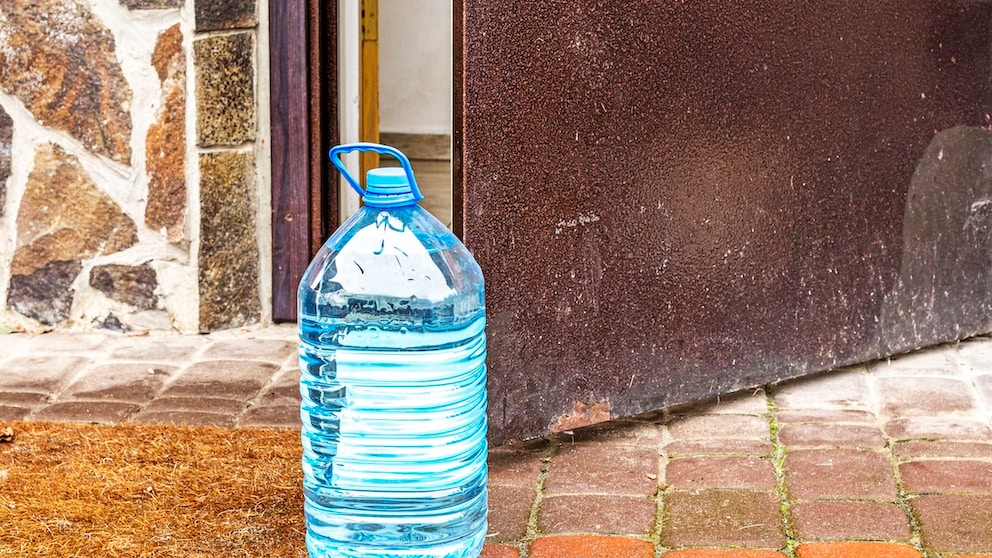
While on vacation in Italy, you might have noticed filled water bottles in front of doorways. A friendly gesture for those in need? One might think so. Passersby, especially during the hot summer months, might be tempted to take advantage of the apparent offer. But no: In reality, you should not drink from these bottles! TRAVELBOOK explains the real purpose behind this measure.
For a long time, filled bottles have been found in front of doorways in Italy. This is by no means a new phenomenon, even though the supposed trick is currently gaining some attention on social media–we are in the peak holiday season. As a folk belief or home remedy, it is meant to counter a problem common in various Mediterranean countries: stray animals urinating on house walls.
“Anti-Pee Bottles” in Italy and Other Mediterranean Countries
The food influencer Italienfoodtherapy recently documented filled water bottles in various cities in southern regions of Italy. According to numerous comments on her post, the practice is also common in the north of the country and in Spain.
The “Gazzetta del Mezzogiorno” reported as early as 2011 on the widespread “bottiglie antipipì” (translated roughly as “anti-pee bottles”), which are found in large numbers in places like Apulia. The Italian daily wrote at the time that the unusual “pee deterrents” had already been tested in historic centers “of half of Italy.”
The idea behind it: Stray dogs and cats, of which there are quite a few in Italy, are supposed to be frightened by the reflection of the water in the bottles and therefore refrain from urinating on house walls.

Tourists Take Note: These 11 Things Are Banned in Italy

Anyone who pees in the sea at this Spanish resort has to pay a fine of 750 euros
Does the Trick Actually Work? Questionable
There is no evidence for the effectiveness of the method. For example, on “Reddit,” its effectiveness is sometimes strongly doubted. Some visitors to Italy have even claimed to have observed dogs deliberately urinating on the bottles.
In theory, the method might not be entirely far-fetched. It is based, as one user writes, on the assumption that dogs would not urinate near water they might drink. Hundreds of years ago, dogs and cats were supposedly kept from marking doorways in this way–though back then, the water was placed in a bowl.
Today, people try using plastic bottles. Some swear by it, while others–including the “Gazzetta del Mezzogiorno”–question the purpose of the “anti-pee bottles.” For tourists, however, the sight is apparently a curious gimmick. The travel blog “Viajando para Itália,” which specializes in Italy, also reports on the unusual practice.

Why This Seems Necessary
In many places in Italy, there are problems with stray dogs and cats, which colleagues from PETBOOK address in various articles. The fact that these animals relieve themselves and also “mark” is an issue that some Italian cities are increasingly considering from a hygiene and urban planning perspective.
In the Italian port city of Livorno, for example, residents have complained about the smell of dog urine in public places. At least where a responsible owner can be identified, authorities have been taking action against the mess since May 2026. Dog owners must, according to the relevant regulation, remove their pets’ urine from sidewalks and benches and even clean the tires of cars and scooters, or face fines of up to 500 euros. How is this supposed to work? Dog owners must always carry a spray bottle of water when walking their pets.
Some dog owners might find this excessive. The city of Livorno justifies the regulation, initially in effect until the end of October, with the high temperatures in spring and summer combined with lower rainfall. As a result, organic fluids evaporate more quickly on paved surfaces, which negatively impacts hygiene and cleanliness.