

February 13, 2026, 12:31 pm | Read time: 8 minutes
Italy is primarily known for its enjoyment, culture, and sunny weather. “Bella Italia” doesn’t just refer to well-known places like Rome, Florence, or the Amalfi Coast. A closer look reveals a very special Italy: small villages with lemon gardens, vineyards, winding alleys, and shady piazze amidst gentle hillscapes.
The nonprofit initiative “I Borghi più belli d’Italia” focuses on these very places. Since 2002, the association has been recognizing villages that have preserved their “architectural integrity, local traditions, and unique way of life over centuries.” For 2026, seven new villages have been added—five as regular members and two as so-called “guest villages.” They exemplify an Italy that quietly captivates.
How Italy’s Most Beautiful Villages Were Chosen
The award is based on a catalog of 72 detailed criteria. Evaluations include the preservation of historical buildings, the urban quality of the townscape, integration into the landscape, sustainable development, service and hospitality quality, and the communities’ commitment to protecting local traditions and identity. In December 2025, 21 communities were assessed—seven met the stringent requirements. With these new additions, the network grows to a total of 382 certified locations across Italy. They represent what the association itself calls “la vera Italia”: places where history, daily life, and lifestyle still form a harmonious whole.
Overview
1. Limone sul Garda, Lombardy
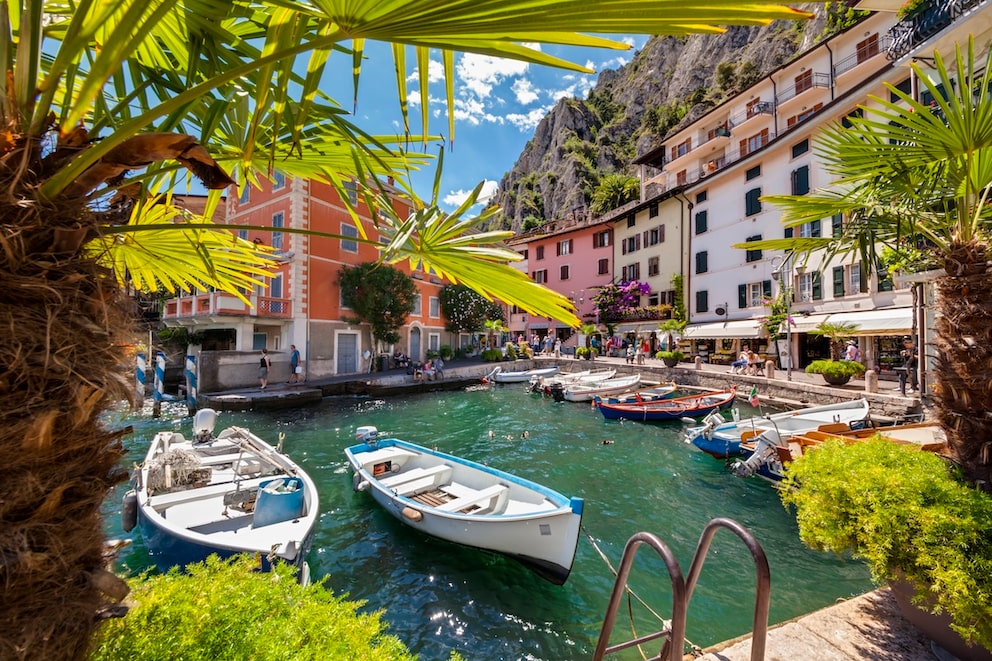
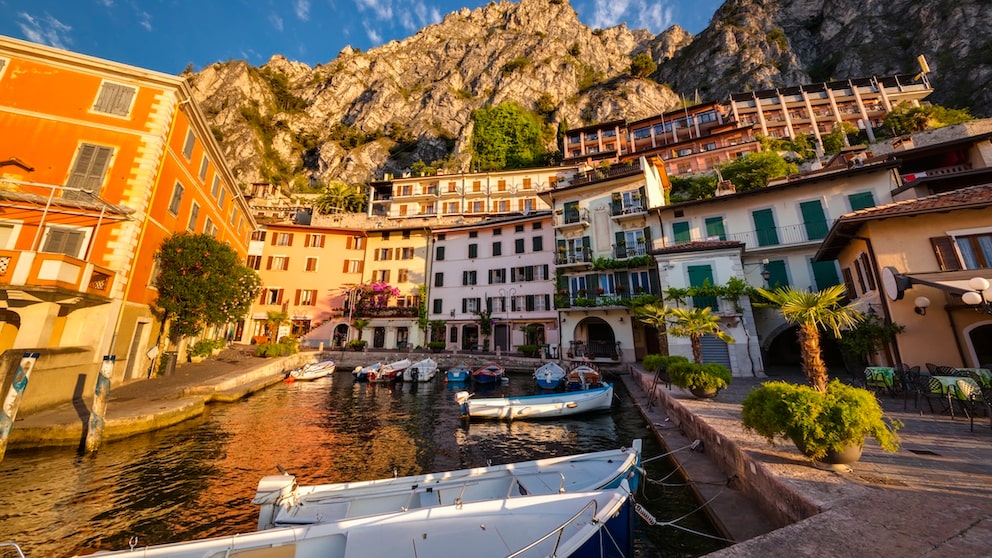
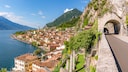
Limone sul Garda is spectacularly located between steep cliffs and the sparkling waters of Lake Garda. The village is also known as the “Pearl of Lake Garda.” It is famous primarily for its historic lemon gardens, the so-called “Limonaie,” which were established here as early as the early 18th century. They cling to the slopes in terraces and tell of a time when lemons were considered a precious commodity.
Until the 20th century, Limone was only accessible by boat. Today, the village is a popular vacation spot that has still retained much of its original character. Between narrow alleys, small beaches, and views over the lake, Limone presents itself as a Mediterranean place with an alpine heart. The lakeside promenade, bathing spots, and narrow streets combine with centuries-old agricultural culture—a mix that makes Limone particularly charming.
2. Pieve di Teco, Liguria
In the hinterland of the Ligurian Riviera, far from the bustling coast, lies Pieve di Teco. The village was once an important rest and trading place on the historic salt road that connected the sea with Piedmont. This is still evidenced today by the long arcades in the town center, giving the village an almost urban appearance.

Under the arcades are small shops, cafes, and craft businesses. The atmosphere is calm and rural—yet the place feels lively and authentic. Museums such as the Ceramics Museum or the Museo della Mezzadria tell of the rural life and craft tradition of the region. Surrounded by the Ligurian Alps, Pieve di Teco is also an ideal starting point for hikes. Those who visit Pieve di Teco discover a Liguria beyond the beach and Riviera.
3. Castelvetro di Modena, Emilia-Romagna
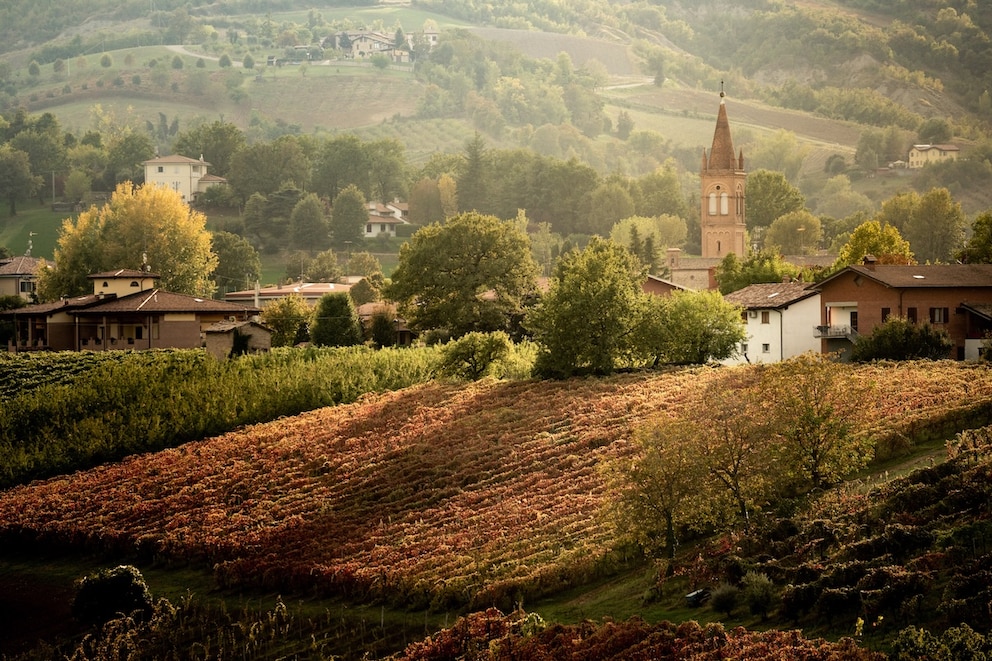
A village for all gourmets: Castelvetro di Modena sits on a hill amidst vineyards. Here grows the Lambrusco Grasparossa, one of the region’s most famous grape varieties, as well as the grapes for the renowned Aceto Balsamico di Modena. The landscape around the village is characterized by gentle hills and vineyards.
The medieval town center with towers, walls, and the checkerboard-paved Piazza della Dama looks like a film set. Additionally, historic palaces, churches, and wine museums shape the image and make Castelvetro a culinary and cultural center of Emilia-Romagna. Moreover, wine tastings, walks through the vineyards, and visits to traditional osterias are an integral part of village life here.
4. Cusano Mutri, Campania
Cusano Mutri is picturesquely located in the heart of the Matese Regional Park in Campania. This village has hardly changed in its structure since the Middle Ages: narrow alleys, steep stairs, small squares, and bright stone houses characterize the historic core. As a result, the place seems almost timeless. After just a few steps, Cusano Mutri feels like a village that has preserved its character—here, much still fits together as it has grown over centuries.
Characteristic of the village are the numerous towers and bell towers, as well as artistically decorated arches. Surrounded by gorges, forests, and hiking trails, Cusano Mutri is an ideal place for those who want to combine history and nature. Cusano Mutri also serves as an excellent starting point for hikes through the gorges and mountain landscapes of the Matese Mountains.
5. Rivello, Basilicata
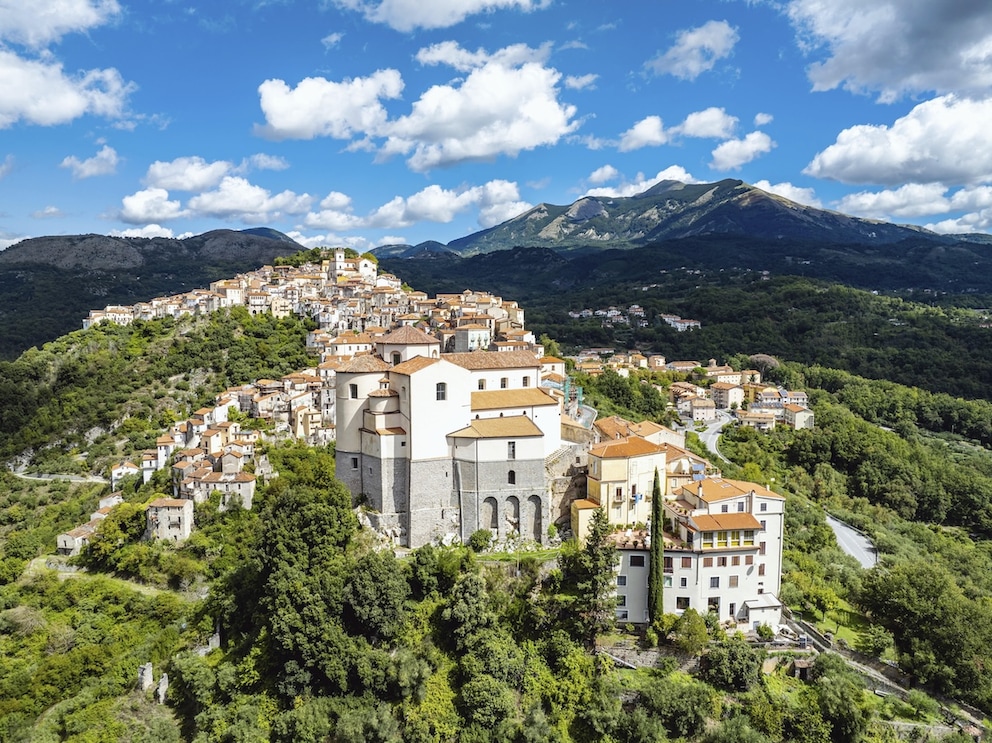
The village of Rivello spreads out in terraces over a hillside in Basilicata. From here, the view extends to the Tyrrhenian coast—a rare combination of sea and mountain landscape that makes the place special. Even the approach feels like a slow immersion into an original Italy: first winding roads, then wide views, and finally, at the end, a village that lies like an amphitheater on the hillside.
Away from major tourist streams, Rivello presents itself as a quiet, authentic southern Italy: churches, old palaces, and a 16th-century monastery shape the townscape. In the narrow alleys, time seems to pass more slowly. The village is ideal for travelers who want to discover Italy beyond well-known routes—and also offers a perfect starting point for excursions to the Pollino National Park or the sea.
Road Trip Around Lake Garda–The Perfect Route With Map
The Region in Italy With the Most Pristine Beaches
6. Borgo il Piazzo, Biella, Piedmont
Borgo il Piazzo is the historic core of Biella in Piedmont. Located above today’s city center, the district was once a refuge and later a cultural center. Since the initiative “I Borghi più belli d’Italia” is actually aimed at small communities and Borgo il Piazzo belongs to the overall municipality of Biella, the place is considered a “guest village” due to its population until 2027.
Founded in the 12th century, the district developed into the cultural center of the region. Narrow, cobbled alleys, palaces, and quiet squares shape the image. A funicular connects Borgo il Piazzo with the modern city—a small time travel included. The charm of the village is undisputed—especially in summer, life pulsates here around the central squares.
7. Borgo Vecchio, Termoli, Molise
Directly on the Adriatic coast lies Borgo Vecchio, the historic old town of Termoli in Molise. Situated on a narrow peninsula, the district is surrounded by the sea on three sides. This makes Borgo Vecchio a special mix: on one hand, old and protected like a small fortress, on the other hand, open and bright due to the water that remains almost always in view. This village was also named a “guest village.”
Old city walls, a Norman castle, and some of the narrowest alleys in Italy shape the townscape. Wide views and the immediate proximity to the beach make Borgo Vecchio an unusual village that combines history and the sea. Despite its official recognition, Termoli is still considered an insider tip.