


June 4, 2026, 3:01 pm | Read time: 4 minutes
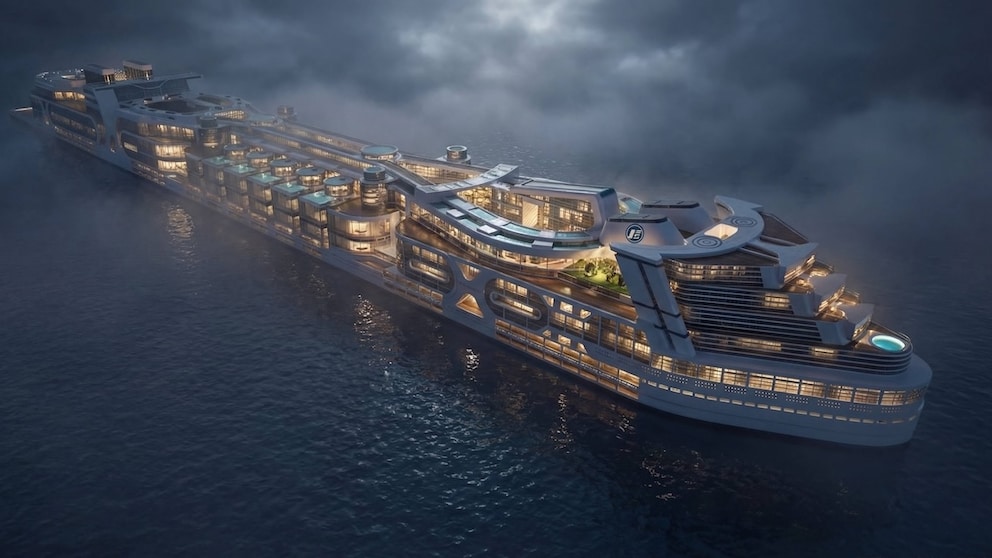
Cruise ships have been getting bigger, more luxurious, and more spectacular for decades. But a planned project would make even today’s ocean giants look small: the “Freedom Ship”–a kind of floating city with space for tens of thousands of people. TRAVELBOOK provides the details of the plans.
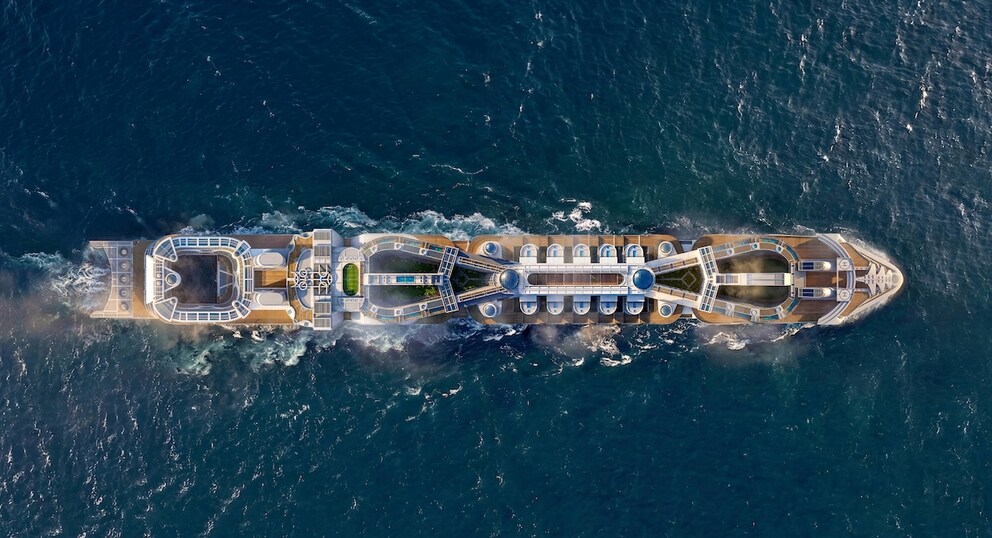
More than 1.5 kilometers long, 240 meters wide, and 30 decks high–with these gigantic dimensions, the “Freedom Ship” is set to become the “largest maritime vehicle ever built in history,” according to the official website of the ambitious project. Up to 80,000 people could be accommodated, including residents, visitors, and, of course, the crew. Unlike other ships that dock at ports and follow fixed routes, the “Freedom Ship” is intended to permanently circle the globe.
What sounds like a wild and utopian vision is actually a serious concept backed by the U.S. company Freedom Cruise Line International. The design was commissioned to the firm Schopfer Associates. Additionally, maritime experts, shipbuilding specialists, and internationally renowned architects are expected to be involved. The idea is not new, having been introduced in the late 1990s. Now, it is set to make a comeback.
Also interesting: The best and worst cruise lines
A City at Sea–Larger Than Anything Seen Before
On board, about 50,000 permanent residents, 10,000 temporary guests, and 20,000 crew members are expected to live and work. Plans include schools, parks, shops, hotels, a hospital, and even a sports stadium. The creators refer to it less as a cruise ship and more as a permanently inhabited metropolis at sea. For comparison: It could accommodate more than eight times as many people as the current largest passenger ships in the world, the Star of the Seas and the Icon of the Seas by Royal Caribbean. With a length of about 365 meters and “only” 20 decks, these would seem tiny next to the “Freedom Ship.”
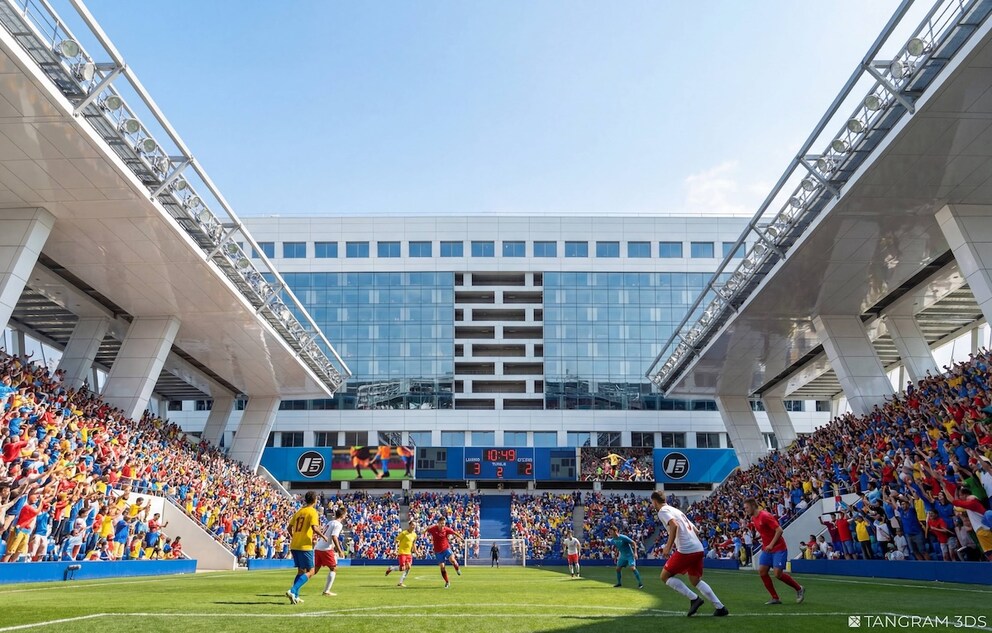
To ensure no one gets bored on this giant, a vast array of facilities is planned. These include a sports stadium with 15,000 seats, two museums, a convention center, a concert hall, a water park, a two-story food court, shops, banks, a nightclub, and an aquarium where guests can even dive. Additionally, two high-rise hotels are planned for visitors. Eight helicopter landing pads are also envisioned. Children living permanently on the ship would be able to attend school on board–from elementary through college level.
Because distances on this floating colossus would be long, a dedicated transportation system is planned. A tram is intended to transport passengers across the ship. There will also be about 24 kilometers of walkways and approximately three hectares of parkland.

Cruise Photographer Speaks Out: “Cruises Made Me Hate People”
These New Cruise Ships Will Set Sail in 2026
A World Tour Every Two Years
The “Freedom Ship” is expected to circle the globe every two years–at a rather leisurely speed of about seven knots. The ship would likely not dock in ports, as it would simply be too large. Instead, it would remain in international waters. Visitors to the floating city would be ferried from nearby ports to the “Freedom Ship.”
Even today, there are so-called “never-ending cruises,” or cruises without a fixed end. These include The World, a private residential cruise ship for wealthy owners, and the more affordable Villa Vie Odyssey. Both offer people the opportunity to live permanently at sea. But compared to the Freedom Ship, they are tiny: While these ships can only accommodate a few hundred passengers, the Freedom Ship is designed to hold tens of thousands.
How Realistic Are the Plans?
There is no official start date yet. The construction costs alone are enormous, estimated at around 13.9 billion euros. Financing is likely to remain one of the biggest hurdles. However, there is confidence in attracting enough investors. “Then the ship could be built within three years,” says Roger Gooch, CEO of Freedom Cruise Line International, when asked by TRAVELBOOK.
But: What is it like to live permanently on a ship that never docks? How sustainable would such a floating megacity be? And who could afford to live on board? The idea sounds spectacular–but it also raises a lot of questions.