

August 21, 2026, 2:44 pm | Read time: 4 minutes
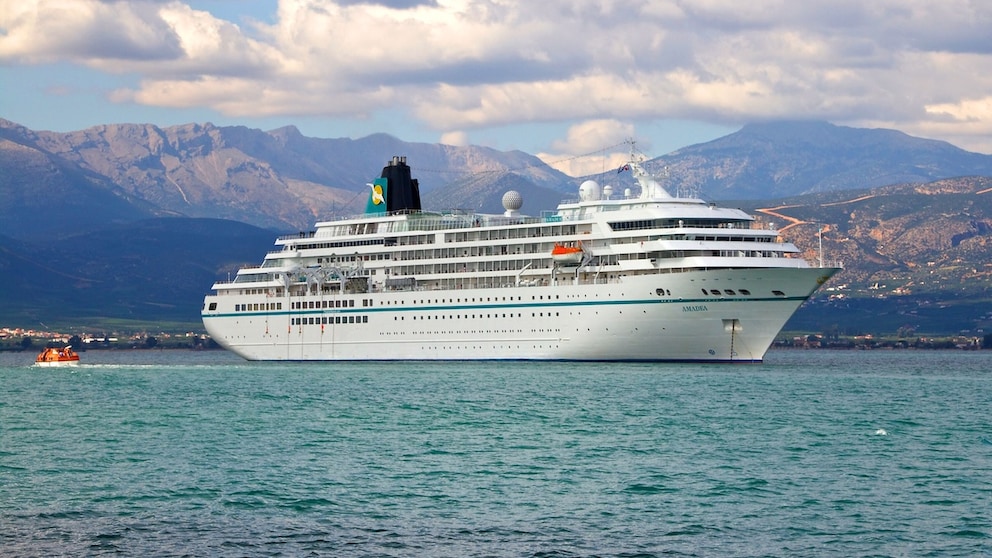
The U.S. health agency CDC conducts regular, unannounced inspections of cruise ships from various lines that dock at U.S. ports. Some of these ships are also available on the German market–such as the Amadea from Phoenix Reisen, known from the ZDF show “Das Traumschiff.” During their inspections, inspectors check hygiene and health conditions on board. Cruise ships can score a maximum of 100 points, with 86 points considered a passing grade. In recent inspections, several ships barely exceeded this threshold, and one even failed with 84 points.
Cruise fans need not be too alarmed. The CDC explicitly states that while 85 or fewer points are not satisfactory, a low score does not automatically mean that staying on the ship is dangerous for passengers. It is a snapshot of specific areas. This is illustrated by the example of the Carnival Breeze: The cruise ship scored a perfect 100 last year but only received 86 points in this year’s inspection.
How the Hygiene Inspection of Cruise Ships Works
The CDC has its own set of guidelines for health and hygiene requirements on cruise ships. Inspectors check various areas on board according to these guidelines. These include kitchens and restaurants, drinking water systems, pools and whirlpools, medical facilities, cabins, ventilation systems, children’s areas, and public spaces. Points are deducted from a total of 100 for violations, with the deduction varying in severity depending on the infraction’s significance.
Scoring 100 points is certainly ambitious–but achievable. This is demonstrated by shining examples among the inspected cruise ships that achieved a perfect score this year. These include the Icon of the Seas, Carnival Celebration, Celebrity Apex, Disney Dream, Norwegian Viva, and Queen Elizabeth.
Inspectors found significantly more issues on other ships. Seven of the inspected cruisers received less than 90 points in this year’s CDC inspections.
Norwegian Dawn–the Lowest Scorer in This Year’s Inspection
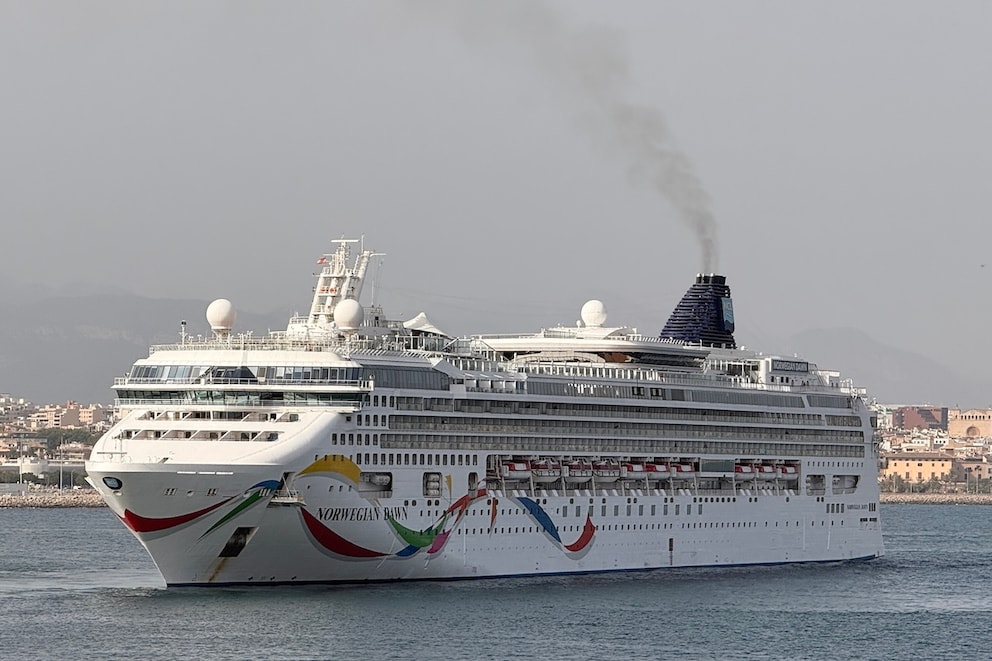
This year, the Norwegian Dawn received the lowest rating–only 84 points. Inspectors documented issues on the Norwegian Cruise Line ship, including fruit flies in the buffet area, dirty ice machines, mold-like deposits, and improperly stored warm food. The ship accumulated 48 violations and failed the inspection.
The MSC Meraviglia also faced issues; it is among the particularly relevant cruise ships on the German market. According to the CDC, numerous steaks were found to be at a significantly high temperature during thawing and had to be discarded. Additionally, a handwashing station near the ice machines lacked running water. The ship received a total of 89 points.

Why Cruise Ships Rarely Sail Under the German Flag

The Best and Worst Cruise Lines
The “Traumschiff” Did Not Achieve a Dream Score
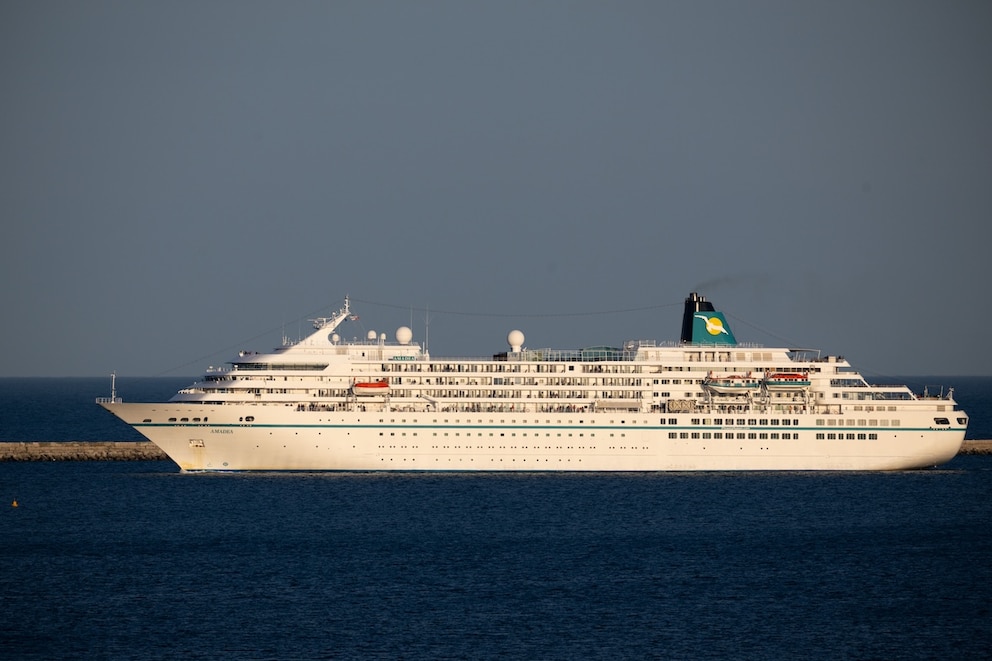
The Amadea, operated by the German tour operator Phoenix Reisen and known to TV viewers as “Traumschiff,” was also tested. The results were mixed. During the inspection in February 2026, the ship scored 89 out of 100 points, passing the inspection but falling short of the highest score.
In its report, the CDC noted under “Hand Hygiene and Cross-Contamination” a specific observation on the “Amadea”: “During breakfast, two crew members were observed holding their thumbs in small glass bowls of cracked raw eggs while frying eggs. They then touched hard-boiled eggs and several serving utensils used to serve passengers without washing their hands first. One employee later wiped egg yolk from his thumb on his apron and continued working at the hot food counter.”
Additionally documented were partial contaminations, residues, adhesions, and similar issues on juice machines or in kitchen areas. The chlorine level in the swimming pool was also too low.
TRAVELBOOK has asked Phoenix Reisen for a statement and further details on the identified deficiencies. A response is still pending.
What Poor Ratings Mean for Cruise Lines
Cruise lines must respond to poor results: The CDC requires that identified deficiencies be corrected, with critical violations addressed immediately. After a failed inspection, the ship is re-inspected. However, the exact timing of this follow-up inspection and whether all issues are resolved cannot be determined from the original inspection report. There is no automatic sailing ban.
For travelers, this likely leaves a bitter aftertaste. The CDC publication highlights specific deficiencies–but it does not indicate if and when these were fully resolved.