

October 16, 2026, 1:51 pm | Read time: 5 minutes
Our author is a regular and long-suffering train traveler. She can no longer count how many hours of delay she has experienced or how many of her booked connections have been canceled. But what really annoys her now is the latest move by Deutsche Bahn: a nationwide alcohol ban at all train stations. In her opinion, this goes way too far.
“We apologize for the delay and the inconvenience and wish you a pleasant onward journey despite everything.” That’s what passengers hear when their train arrives at a station significantly late once again. The fact that this wording is inappropriate because one cannot apologize on behalf of others but can only ask for forgiveness is beside the point.
If Deutsche Bahn would at least adequately compensate its passengers for the inconvenience caused—without burdening them with bureaucratic hassle—my anger might be somewhat appeased. But as it stands, little has changed with the well-known problems in long-distance travel: trains are canceled, delays are commonplace, and so on.
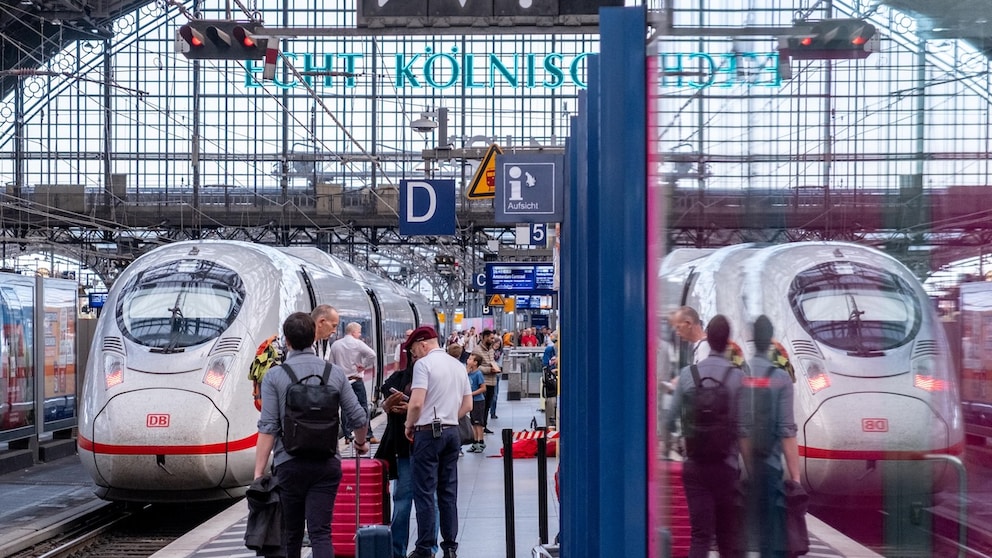
However, something has changed, albeit not on the tracks. Deutsche Bahn has introduced a new nationwide alcohol ban at its stations. This prohibits passengers (or those who would like to be) from making the tedious wait for the train a bit more pleasant. It’s not just about preventing people from getting drunk—you’re not even allowed a single beer. I find that simply unacceptable.
Why DB Bans Alcohol at Its Stations
The rule is based on DB’s house rules. The company cites serious assaults on railway staff as the reason, which you can find more information about in this DB publication. According to the Federal Ministry of the Interior, a total of 27,818 violent crimes related to stations and trains were recorded in 2025.
With a uniform ban, DB aims to prevent conflicts from escalating in an intoxicated state and to lower inhibitions. The railway also claims to observe fewer conflicts at stations where an alcohol ban is already in place. The measure is also intended to reduce litter and harassment.
Is Alcohol Really a Driver for Assaults?
I’m the last person to downplay assaults on staff. But I must point out that there is no evidence of what proportion of security threats were alcohol-related and how much a ban on drinking at stations actually prevents. The figures from the Federal Ministry of the Interior are indeed alarming—but as “Tagesschau” noted months ago when the nationwide alcohol ban was first announced, the statistics do not break down how many of the attacks were committed under the influence of alcohol.
So you don’t misunderstand me: I don’t view alcohol uncritically, especially not in connection with train travel. I’ve experienced firsthand how unpleasant such a situation can become. In the dining car, I felt increasingly threatened by another passenger who had consumed a lot of alcohol both there and apparently beforehand. Alcohol is indeed served on trains—in the case I mentioned, very generously. There is no general drinking ban there. When I inquired with Deutsche Bahn at the time, I was told that they reserve the right to refuse further alcohol service to travelers “in exceptional cases.” When is it such an exceptional case? It’s a matter of discretion.
In my opinion, there’s something contradictory about the alcohol ban at stations: you can often still buy alcohol there. You just can’t drink the purchased beer or wine at the station anymore.
Alcohol Ban Now in Effect at Train Stations–What Travelers Need to Know
What Frustrates Me Most About the Train Delay Madness
If a Glass Relaxes Me, That’s My Business
So, I don’t want to glorify alcohol. Yet I readily admit that I like to have a glass in the evening. In my case, it’s usually wine, but I also want to mention the term “after-work beer,” which at least suggests that an alcoholic beverage can be a relaxing reward at the end of the workday for many people. That the railway wants to deny me—and all after-work beer drinkers—this moderate enjoyment is an outrage.
And another thing. I travel quite often, but not really willingly. Every trip means a certain amount of stress for me. If the train is delayed, my mind starts racing: Will it even come? Will I be stranded somewhere? Maybe these worries are irrational, but that doesn’t make them any less real and tormenting for me.
Now, one can argue whether alcohol is the right means to cope with stress or anger. But the fact is that it can at least superficially calm the nerves in the short term. Whether one wants to use this effect for themselves should be left to each individual.
So DB wants to forbid me from doing that. One might argue that I want to drink the situation away. And so what. The railway is partly responsible for the mess. In doubt, I’m sitting on the platform, hesitantly waiting for a train that is delayed due to technical problems or late staff or whatever, and which will probably make one or two “unscheduled stops” during the further journey—if it even happens.
DB Continues to Serve Alcohol to the Well-Off
It might also be worth mentioning that there is indeed an area that is an exception to the rule. DB continues to serve alcohol in its premium lounges, even for free. This is still stated in their own service description after the introduction of the official alcohol ban.
Access to this premium lounge is, as the name suggests, exclusive and only granted to selected passengers: people with platinum status, a BahnCard 100 first class (costing around 8,000 euros per year), or occasionally passengers with a first-class flexible fare ticket. All other passengers can soberly fume about why their train isn’t running again.
In summary, the railway might have been better off focusing its efforts on ensuring that its transportation runs reliably, rather than establishing an official ban that dictates to its passengers at the platform how they should endure the wait.