

October 30, 2025, 5:14 am | Read time: 4 minutes
German bread culture is renowned worldwide for its variety. But which of the thousands of different types can compete in terms of recognition with international heavyweights like the French baguette? In other words, which German bread made it into CNN’s cultural selection—a list of what the editors consider the most significant and representative breads in the world? TRAVELBOOK presents it.
The list is not about taste or popularity. CNN writer Jen Rose Smith approaches the topic from a cultural perspective: She explores the concept of bread in general—and from there, the types of bread that hold special significance worldwide. For millennia, bread has served as a staple food. And yet, according to bread historian William Rubel, bread is “what a culture considers it to be.” Accordingly, the list includes breads that you might not initially classify as such.
This German Bread is Among the 50 Best in the World
Of course, we are particularly interested in the German bread on the curated list. And it is a true bread classic: Westphalian pumpernickel. As CNN reports, there is a family-run bakery in Soest that has been making the hearty bread since 1570 using the original recipe. Pumpernickel is made from pure rye flour, which gives it its dense texture and characteristic crust. The dough is first left to rest in a warm place for up to 24 hours before being baked in a steaming oven.
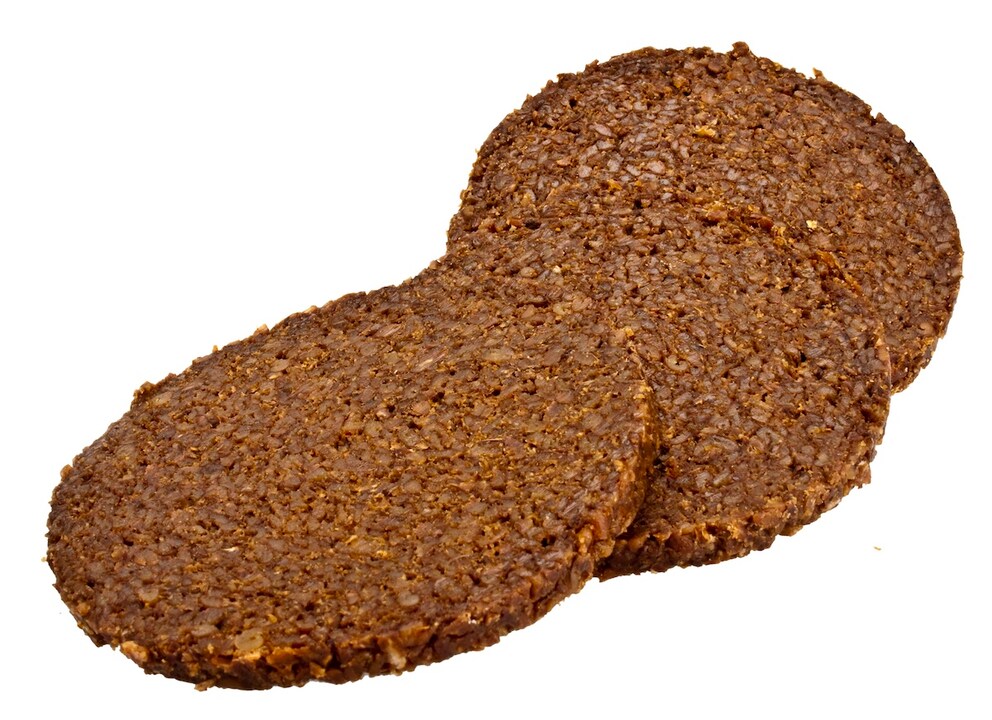
By the way, when it comes to taste, (Westphalian) pumpernickel may not win everyone over. A brief note here: there is the bread with a designation of origin, which must be made in Westphalia, and then there is “simple” pumpernickel, a dark bread baked in the pumpernickel style from rye and sourdough, which can be found in many places in Germany. Recently, both versions appeared on a list by “Taste Atlas.” This list “honored” the least popular dishes from Germany according to user votes.
Germany’s Least Popular Dishes
Baguette in Crisis–Can the French Cultural Icon Be Saved?
Other Countries With More Bread Types Represented
We already touched on the diversity of German bread culture. Therefore, it is somewhat surprising that out of all the varieties available here, only one made it onto the list. Other countries are represented multiple times, including Italy, Israel, China, and Japan—sometimes with foods that, at first glance, have nothing to do with the bread as we know it from Germany. The Chinese representatives include Baozi: steamed dumplings, usually filled with meat, that you can find in restaurants under Dim Sum. Japanese Anpan, on the other hand, at least somewhat resembles flat Kaiser rolls but is filled with sweet bean paste.
Many of the listed bread types reflect the culture, diet, and historical circumstances of their countries. Matzah, for example, is an unleavened bread eaten in Judaism, especially during Passover. It commemorates the Exodus from Egypt and is a simple, unchanged staple food. Another example is Irish soda bread, which became popular during the Irish famine. Due to failed potato harvests, people learned to make bread without yeast, using wheat flour, sour milk, and baking soda instead. Today, it is considered a nostalgic specialty that pairs particularly well with salted Irish butter. Fermented breads like Injera or Kisra are valued for their high nutritional content, while the thin and crispy Sardinian Pane carasau is especially durable and transportable.
All the Best 50 Breads According to CNN as a List
- Bolani (Afghanistan)
- Puri (Bangladesh)
- Pão de queijo (Brazil)
- Bannock (Canada)
- Injera (Ethiopia)
- Lefse (Norway)
- Baguette (France)
- Sourdough (San Francisco, USA)
- Khachapuri (Georgia)
- Pumpernickel (Germany)
- Lángos (Hungary)
- Roti canai (Malaysia)
- Paratha (India)
- Lavash (Armenia)
- Pane carasau (Sardinia, Italy)
- Focaccia (Italy)
- Ciabatta (Italy)
- Soda bread (Ireland)
- Bagel (Poland / USA)
- Challah (Israel)
- Matzo (Israel)
- Arepa (Venezuela / Colombia)
- Pan de muerto (Mexico)
- Tortilla (Mexico)
- Anpan (Japan)
- Melonpan (Japan)
- Mantou (China)
- Baozi (China)
- Roti (Caribbean / Southeast Asia)
- Simit (Turkey)
- Bazlama (Turkey)
- Taftan (Iran)
- Sangak (Iran)
- Naan (India / Pakistan)
- Thepla (India, Gujarat)
- Bhakri (India, Maharashtra)
- Cornbread (USA)
- Biscuits (USA)
- Frybread (USA, Native American)
- Pan de sal (Philippines)
- Pandesal (Philippines)
- Damper (Australia)
- Rewena paraoa (New Zealand, Māori)
- Tigella (Italy)
- Crumpet (UK)
- Bara brith (Wales)
- Barmbrack (Ireland)
- Panettone (Italy)
- Kulcha (India / Pakistan)
- Bazlama (Turkey)