

October 8, 2025, 8:32 am | Read time: 3 minutes
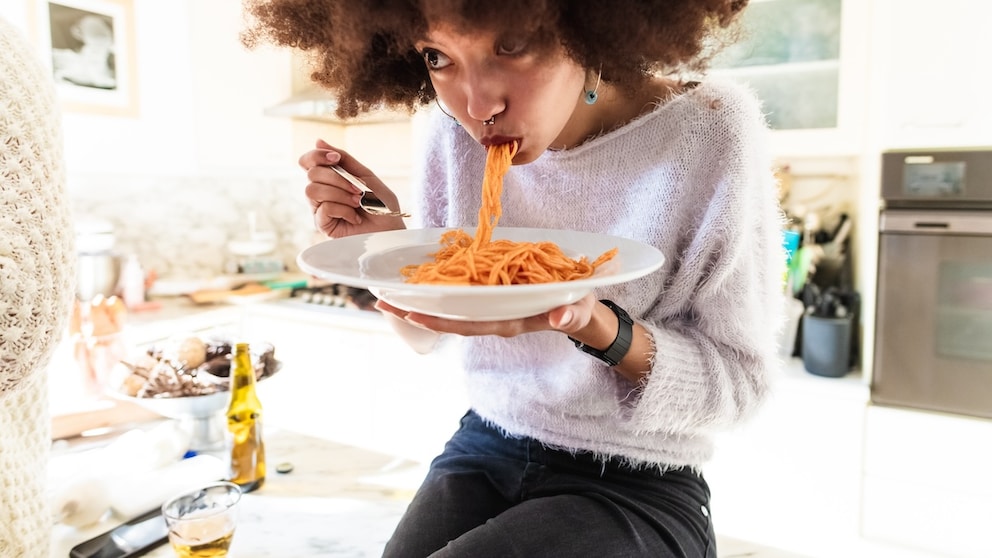
A large plate of pasta can make you happy and full. But classic Italian pasta actually serves a different purpose–not as a main course. TRAVELBOOK explains how to properly eat spaghetti and other types of pasta.
Italian culinary culture is famous for both its gastronomic delights and a certain adherence to rules. For example, it’s generally frowned upon to drink cappuccino after 11 a.m.–traditionally, only caffè (espresso) is ordered after this time. Real carbonara doesn’t include cream, and so on. Besides such relatively obvious faux pas, there are other widespread habits beyond Italy’s borders that few are aware are “wrong.” Or do you not prefer to eat spaghetti as a main course? Exactly.
Why Spaghetti Is Not a Main Course
You don’t even have to travel to Italy to uncover this misconception. A visit to a restaurant with authentic Italian cuisine is enough. Spaghetti, tagliatelle, and the like are served as “primo piatto,” meaning the first main course. “It’s not an appetizer,” clarifies Luigi Lavorato, owner of the restaurant Neuer Haferkasten in Neu-Isenburg, in a conversation with TRAVELBOOK. An appetizer, or antipasto, would be something like carpaccio.
Pasta thus represents the second part of an Italian menu sequence. Alternatively, risotto could be served–the key is that it’s a carbohydrate-rich dish. The third course, the main course, typically consists of meat or fish with vegetables.
Also interesting: In Sicily, ice cream is eaten for breakfast
Facts About Italian Cuisine You Didn’t Know

What Is the Difference Between Trattoria, Osteria, and Ristorante?
The Right Amount of Pasta in a Menu Sequence
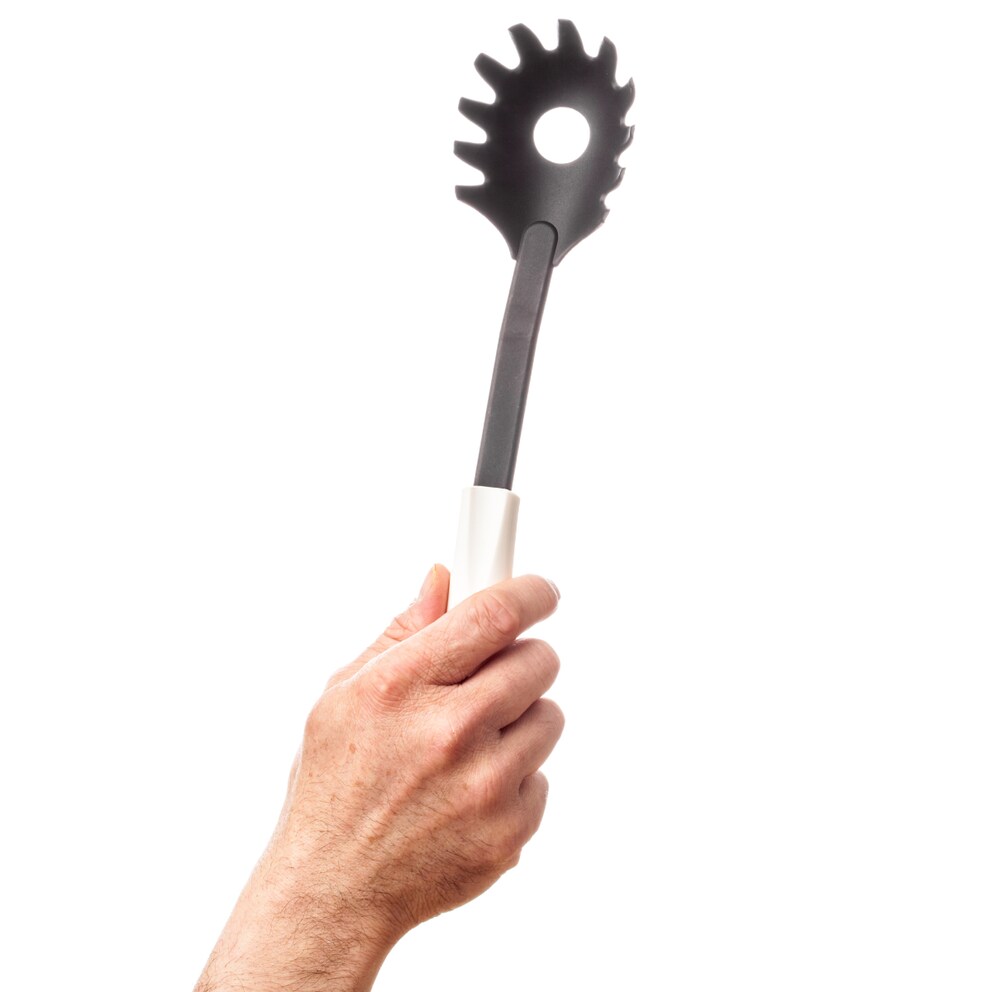
For the German palate, which commonly knows spaghetti as a main course, the described menu sequence may initially seem quite lavish. But of course, the portions of pasta in a classic Italian menu must be adjusted accordingly. If you want to serve an antipasto and a secondo piatto at home, about 90 grams of dry pasta per person is sufficient. With spaghetti, you can even skip the kitchen scale. The classic pasta spoons, which you may have only used for serving, are also suitable for estimating portions. The amount of raw spaghetti that fits through the hole in the middle is enough for one serving.
Of Course, You Can Also Get a Large Portion of Pasta
So if it’s claimed that pasta portions in Italian restaurants are too small, they may have been misunderstood. They are not meant to be a filling course but rather a prelude to the next–and ideally, there should still be room for dessert (dolce) at the end.
If you enjoy eating spaghetti or other pasta as a main course, you’re not doing anything wrong; you’re following a natural development. After all, in many countries where Italian pasta was once exported, meals consisting of a single larger course are more common. And even in Italian restaurants, you can satisfy larger pasta cravings.
For example, at Restaurant Marco’s Frankfurt, pasta dishes make up a large part of the menu, where they are classically listed as primi piatti. However, they can also be ordered as a main course, according to owner Marco Trolio. “The dining culture has changed a bit,” he tells TRAVELBOOK. Fewer people order a classic menu sequence in restaurants–it’s certainly also a matter of cost. Most, according to Trolio’s experience, opt for an antipasto and a pasta or a main course followed by dessert. “People tend to save multi-course meals for weekends or special occasions,” the restaurateur explains.