

December 11, 2025, 9:41 am | Read time: 4 minutes
Are you well-versed in Italian cuisine? Then you’re likely familiar with the classic pasta sauces. But bet you haven’t heard of this one? Pasta alla Zozzona–a creation considered by many to be downright “dirty” or at least particularly indulgent, surprisingly unknown outside of Rome. TRAVELBOOK introduces perhaps the heartiest of all pasta sauces.
What is Pasta alla Zozzona?
There are more and less indulgent pasta sauces. The first category undoubtedly includes classics like Amatriciana or Carbonara–both made with crispy guanciale (pork cheek) and plenty of cheese, with Carbonara also including egg yolk. Now imagine combining these sauces and then adding a third Roman pasta classic: Cacio e Pepe. That would be pretty… naughty, right? This “dirty” idea originated in Rome. The result is called Pasta alla Zozzona, which can be roughly translated as “dirty” or “shamelessly indulgent” pasta.
The exact origin of the sauce is not documented. Today, it is believed to be a popular, improvised creation, likely born as a quick leftover meal. “That’s why the motto for Pasta alla Zozzona is: The more you have, the more you add.” This is written by “La Cucina Italiana,” an Italian cooking and food magazine founded in 1929, on its website. This is remarkable because Italians are generally known for their strong adherence to culinary tradition. However, with this “hybrid sauce,” they are less strict–and for good reasons.
Italian Shows How to Cook Spaghetti alla Puttanesca
Italians or Americans: Who Really Invented Carbonara?
What goes into the “dirty” pasta dish
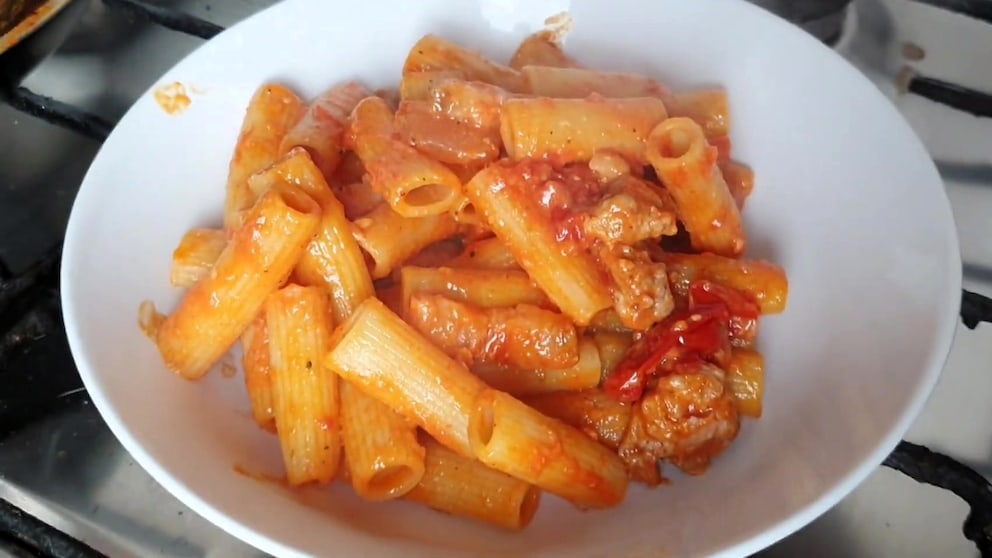
Although “deeply rooted in Roman tradition,” as “La Cucina Italiana” writes, Pasta alla Zozzona is hardly known outside its birthplace, let alone Italy. Therefore, when recreating it, you may need to improvise a bit. Guanciale–an essential ingredient for Carbonara, Amatriciana, and others–is not available everywhere. As a compromise, pancetta (fatty bacon) is sometimes allowed. Online recipes for Pasta alla Zozzona often call for the use of sausage, sometimes instead of and often in addition to guanciale.
Important: Due to its history, there is no standardized recipe for Pasta alla Zozzona. The sauce is by definition improvised and therefore varies from trattoria to trattoria and in Roman households–and worldwide. Users on platforms like Reddit report that they adjust the preparation spontaneously based on available ingredients and, for example, sometimes stir in an extra egg yolk, depending on their mood. The following guide is based on a recipe from “La Cucina Italiana” and includes additions from Giallo Zafferano, one of the most well-known Italian recipe portals.
Preparation for 4 people
- 320 g rigatoni
- 200 g guanciale
- optional: 250 g sausage (e.g., salsiccia)
- 60 g Pecorino Romano
- 350 g canned cherry tomatoes
- 4 egg yolks
- 40 g Pecorino Romano for mixing
- extra virgin olive oil (as needed)
- 1 glass of red wine
- salt and pepper
In a large pan, heat some olive oil and fry the chopped guanciale (and sausage) until crispy. Add the cherry tomatoes and cook briefly. Continuously deglaze the sauce with a bit of red wine, letting it evaporate. Meanwhile, cook the rigatoni in plenty of salted water until al dente. Drain the pasta and add it to the sauce. Remove the pan from the heat and gradually stir in the egg yolks and Pecorino to create a creamy sauce. Season with salt, pepper, and a bit of olive oil if needed. Serve on plates and sprinkle with additional Pecorino.
What to expect from Pasta alla Zozzona–and what not to
Italy’s “dirtiest” pasta is certainly for fans of hearty, robust cuisine–a clear contrast to lighter pasta dishes. With the fatty bacon and generous use of cheese and egg yolk, the sauce is rich and calorie-dense–after eating, you might find concentrated desk work a bit challenging. The Zozzona is more of a comfort food than high culinary art, but that doesn’t detract from its taste. At the same time, it deliciously demonstrates that Italians don’t always strictly adhere to rules with traditional dishes.