

February 25, 2026, 9:35 am | Read time: 5 minutes
In the student city of Göttingen, Lower Saxony, there’s a statue particularly beloved by young people: the “Gänseliesel.” A sweet tradition revolves around it. Whenever a university graduate defends their doctoral thesis, they must adorn the bronze figure with flowers and give it a kiss. This can sometimes lead to large gatherings, and once a year, there’s even a festival in honor of the silent beauty. The city humorously promotes this well-known attraction with a rather clever slogan.
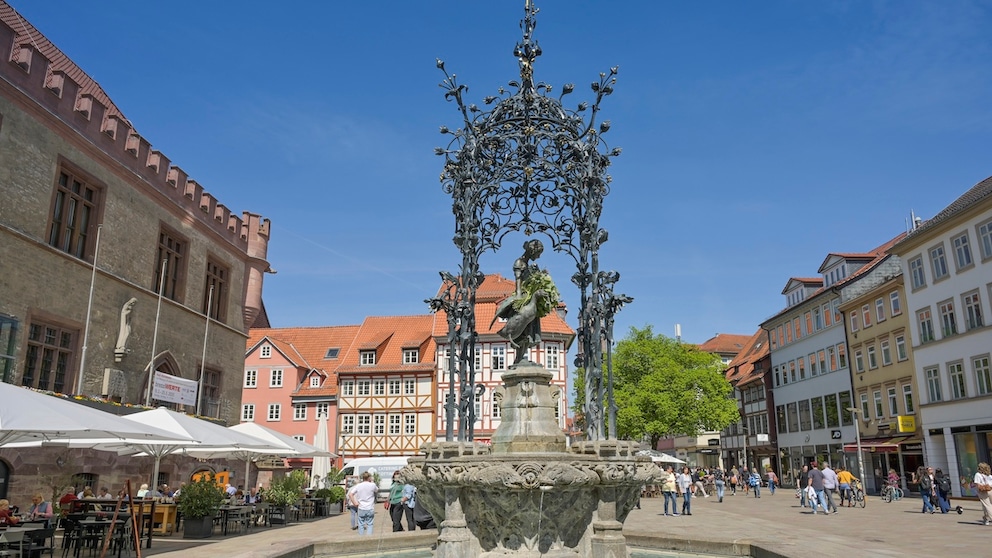
Did you know that the woman reputed to be the “most-kissed woman in the world” resides in the student city of Göttingen, Lower Saxony? For exactly 125 years now, she has stood every day in the city’s marketplace in front of the town hall, regardless of the weather, waiting for her admirers. The “Gänseliesel,” as the lady is called, isn’t too picky. Not that she has a choice, as the silent beauty is a bronze statue adorning the local fountain. Over the course of her “life,” a very quirky and sweet tradition has developed around her. Whenever a university graduate in Göttingen successfully defends their doctoral thesis, they must visit the “Gänseliesel.”
But it doesn’t stop at a simple “rendezvous.” According to tradition, the suitor must also bring flowers to the “Gänseliesel” and kiss it in gratitude for the successful defense of their doctoral thesis. According to the official tourism website of the city of Göttingen, this custom has existed for over 100 years. But let’s start from the beginning: On June 8, 1901, the bronze beauty took up residence as the adornment of the city fountain in front of the Göttingen town hall. As early as 1898, the city had announced a competition to find just such an embellishment. The “Gänseliesel” actually only came in second place in the competition. However, the design was so well received by the public that it has adorned the fountain ever since, instead of the actual winner.
Court Case Over the “Gänseliesel”
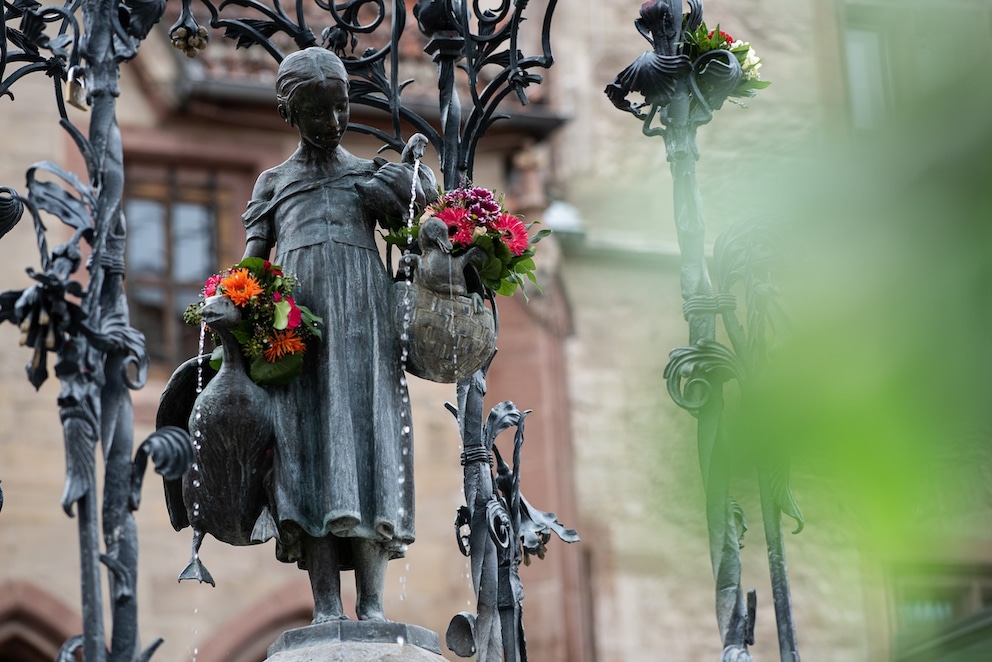
The tradition of adorning and kissing the “Gänseliesel” during a thank-you visit must have been established shortly after the statue was erected. In any case, there’s a more than quirky story about it. Back then, every new student had to make a pilgrimage to the fountain beauty. The frequent kissing soon became a thorn in the side of the city fathers, prompting them to issue an official ban on the student custom. This ban is technically still in effect today. However, the young academics were not willing to accept this, leading to the legendary “Kiss Trial.” In this trial, a perhaps overly enthusiastic law student sought to officially secure the right to legally adorn and kiss the “Gänseliesel” from then on.
And although this court battle was ultimately lost, the kissing tradition around the “Gänseliesel” could no longer be stopped by anyone or anything. However, it changed over time. Initially, only male doctoral candidates were allowed to adorn and kiss the “Gänseliesel.” In keeping with the times, female graduates are, of course, allowed to do so today. According to the city marketing website, this can sometimes lead to quite a crowd, with up to 60 successful university graduates gathering at once. It has also become a tradition to decorate the doctoral caps as colorfully and imaginatively as possible. When the statue celebrated its 100th birthday in 2001, there was even a kind of folk festival in its honor—and in the truest sense of the word.

6 Good Reasons to Visit Wroclaw

Tips for Visiting the UNESCO World Heritage City of Bad Kissingen
Also Revered in Japan
Back then, for 100 minutes, everyone was simply allowed to kiss the “Gänseliesel.” To ensure a safe exit, the city even erected a wooden platform for the occasion. It wasn’t uncommon for a student to slip into the fountain while climbing and get thoroughly soaked. This still happens occasionally today, even though there’s now a stepping stone in the fountain for more kiss safety. Since 1990, the original statue has been housed in the Göttingen Museum, but it still occasionally goes on tour as an opera prop. The “Gänseliesel” is not only popular with students but also with tourists from all over the world, especially those from Asia.
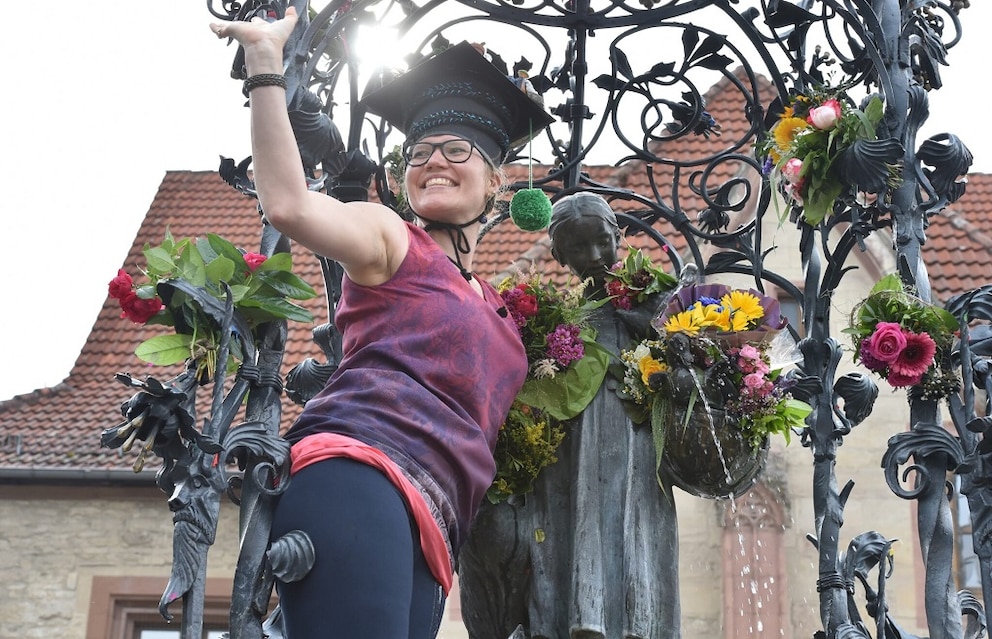
In Japan, the reverence goes so far that a replica of the “Gänseliesel” has stood in an amusement park on the island of Hokkaido since 1989. The city marketing sometimes humorously promotes the popular statue as the “most-kissed woman in the world.” They even dress their employees in doctoral costumes if media representatives need pictures, but no real graduate is available. Naturally, the fountain with the beauty is also a well-known meeting and gathering point, such as for public viewings or protest actions. Once a year, all of Göttingen celebrates the “Gänseliesel” Festival with tens of thousands of guests. In 2026, it will take place for the 30th time.
Big Festival for the 30th Anniversary

An employee of the city marketing department says in response to a TRAVELBOOK inquiry: “This year, the celebration will be particularly grand, from September 27 to 30. Normally, it’s just one day. We also choose a ‘real Gänseliesel’ each year to represent the city.” Additionally, there are various events such as a craft market, live music, and dance performances. The hype around the “most-kissed woman in the world” remains unbroken even today. “She is definitely a central figure in Göttingen. We have about 25,000 students, and all faculties, from German studies to astrophysics, pay their respects to her.” By the way, the figure actually comes from a fairy tale by the Brothers Grimm. There, she is called the “Goose Girl.”