

November 28, 2025, 5:25 pm | Read time: 5 minutes
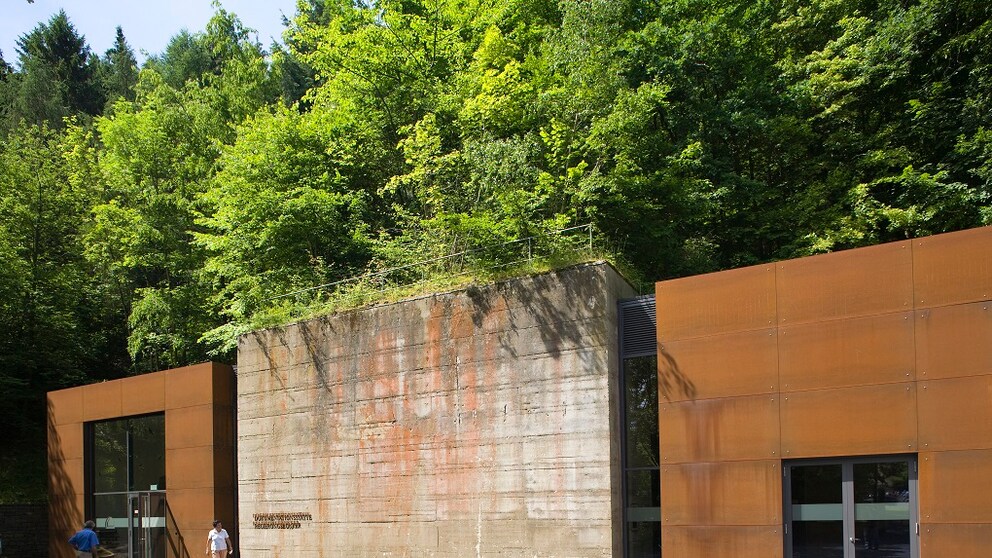
Deep beneath the vineyards of Bad Neuenahr-Ahrweiler in Rhineland-Palatinate once lay one of the most secretive places in former West Germany. At the height of the Cold War, the political leadership of the Federal Republic of Germany built the government bunker here. In the event of a nuclear war, it was meant to provide shelter for up to 3,000 people. Today, the most expensive construction project in German history is an unusual museum.
Anyone traveling in the picturesque Ahr Valley in Rhineland-Palatinate would likely never suspect that beneath the vineyards around Bad Neuenahr-Ahrweiler was once one of the most secretive places in former West Germany. At a depth of 100 meters, the so-called government bunker was built in two old railway tunnels. With a construction time of over eight years, it was the most expensive building in the history of the former Federal Republic of Germany, intended to provide shelter for up to 3,000 people in the event of a nuclear war. But how did this mega-project, which is now an impressive museum, come to be?
It was January 1962 when, according to the official website of the government bunker, construction began on one of the most secretive places in the former Federal Republic of Germany. The world was in constant fear of a nuclear catastrophe due to the Cold War, and Chancellor Konrad Adenauer finally decreed that Germany must protect itself from this threat. Finding a suitable location proved difficult, as NATO requirements also had to be met during the bunker’s construction. In the absence of a better location, they eventually settled on two abandoned tunnels of the never-completed railway line “Ruhr-Mosel Relief Line.”
17 Kilometer Tunnel
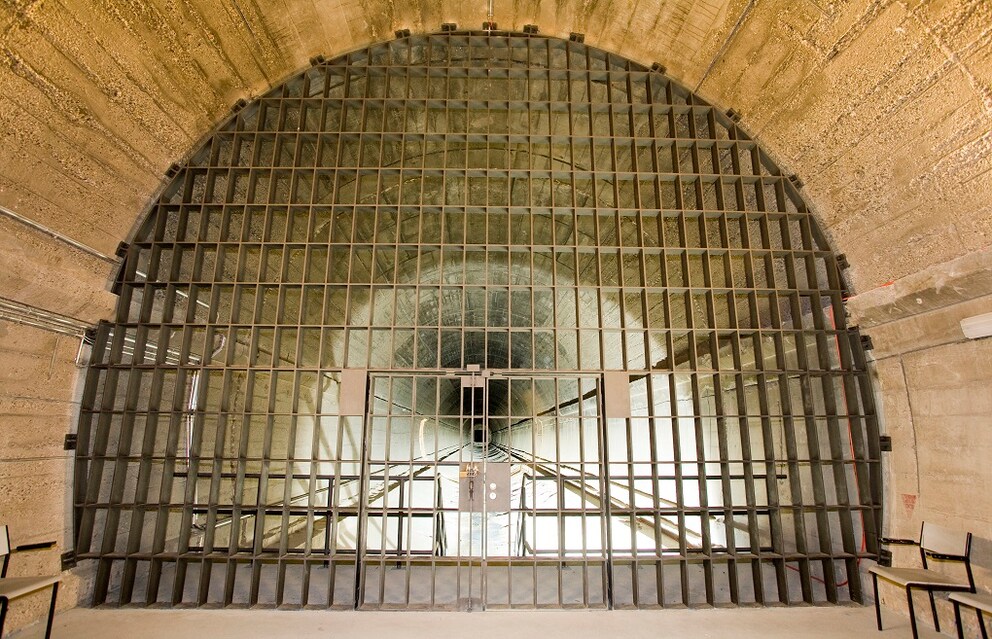
By the time it was completed in 1970, thanks to 20,000 workers, no less than an underground city had been created. The total length of all areas of the government bunker extended to 17,336 meters. This space included 936 sleeping quarters and 897 offices, including rooms like the 125-square-meter cabinet hall. There were also hospitals, a television studio, and a facility for air supply. The facility was protected by gates designed to withstand a nuclear attack, weighing 25 tons. In an emergency, up to 3,000 people were supposed to survive autonomously here for up to 30 days. According to the official website, the result was the “most expensive building in the history of the Federal Republic of Germany.”
Officially, the mega-project was referred to as the “Alternate Seat of the Constitutional Organs of the Federal Republic of Germany in the Event of War and Crisis.” In 1966, it actually happened that large parts of the political leadership of the former Federal Republic of Germany had to come to the government bunker. However, there was no nuclear attack, but rather a NATO exercise. And although, fortunately, the emergency never occurred, and no one ever had to spend the night in the bunker, the federal government maintained the facility even after reunification until 1997.
The Secret East German Bunker That Is Now a Museum
This Massive Underground Nazi City Is Now a Tourist Attraction
Today a Museum
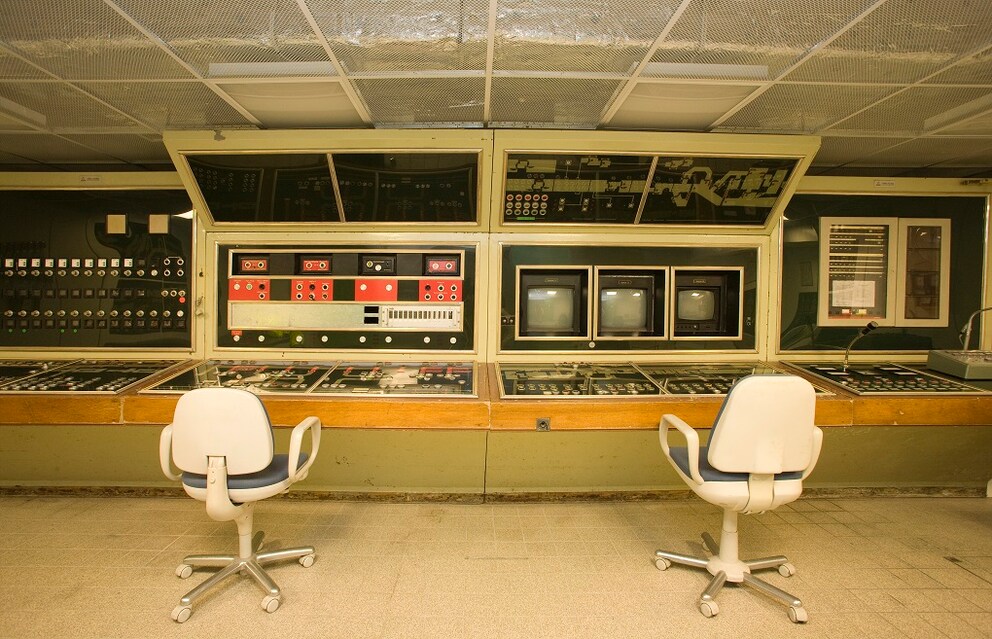
Between 2001 and 2006, the most expensive construction project in the history of the Federal Republic was largely gutted. However, a section about 200 meters long remains, where the nonprofit Heimatverein “Alt-Ahrweiler e.V.” has operated a museum since 2008. During a 90-minute tour, visitors can glimpse a somber past that thankfully never became the present. The government bunker documentation site was a resounding success from the start, with media worldwide reporting on its opening, including the renowned “New York Times.” Even today, the museum is, according to its own website, a “visitor magnet of international significance.”
Since opening hours vary throughout the year depending on the season, please check the official site for details. Admission is 15 euros for adults, with discounts available for children, students, and seniors. Tours for groups, school classes, and families can be booked on request and sometimes for an additional fee, and there are also thematic special tours. For example, the “Eifel Bunker Tour” offers insights into two other sites built for emergencies in addition to the government bunker.
The Cost of the Mega-Project

Museum director Heike Hollunder says in response to a TRAVELBOOK inquiry: “We show, condensed on one of the five bunker sections, what the government bunker looked like. During the tour, guests see, among other things, the rooms of the chancellor and the president, and also a command center, a hospital, sleeping quarters, and a part of the old tunnel system that lets them understand the dimensions.” This year, the documentation site welcomed its 1.1 millionth visitor.
Hollunder can also speak to the costs of the most expensive construction project in the history of the former Federal Republic of Germany: “A journalist once researched this and gained access to files that are now sealed again. He arrived at a sum of 4.7 billion Deutsche Marks.” But why was this mega-project seemingly abandoned? “First of all, the dismantling occurred because they didn’t want to bear the enormous follow-up costs. However, materials used during construction are considered environmentally hazardous from today’s perspective.”