

February 23, 2026, 9:59 am | Read time: 5 minutes
Beneath the Polish town of Pniewo lies an astonishing site for dark tourism enthusiasts: a massive underground Nazi city stretching over more than 30 kilometers as a network of tunnels, shafts, and combat facilities. Originally planned to be even larger, the project was abandoned shortly after construction began. In the 1980s and 1990s, it became home to a kind of sect, and today, the “Fortified Front Oder-Warthe-Bogen” is the region’s biggest tourist attraction around Pniewo.
At first glance, nothing in the Polish town of Pniewo in the Lubusz Voivodeship suggests that it is a true magnet for dark tourism enthusiasts. But then you might discover the remnants of old bunkers, protruding from the ground like mushroom caps. They are just the tip of the iceberg, as up to 40 meters underground lies a truly gigantic facility, an abandoned underground city once built by the Nazis. Today, this vast labyrinth of tunnels, shafts, and combat facilities can be visited.
It was 1935 when Nazi leader Adolf Hitler, according to CNN, personally traveled to Pniewo, which was then part of Germany. His plan: to create an almost absurdly ambitious, up to 80-kilometer-long defensive line against enemies from the east, namely Poland and especially Russia. Known as the Ostwall, or Oder-Warthe-Bogen, named after the rivers that now separate Germany and Poland, it was intended to prevent foreign troops from marching through to the Nazi capital, Berlin. Thus, in record time, the massive underground city was built, which is now the largest tourist attraction in the Lubusz region.
Construction Halted After Just Two Years
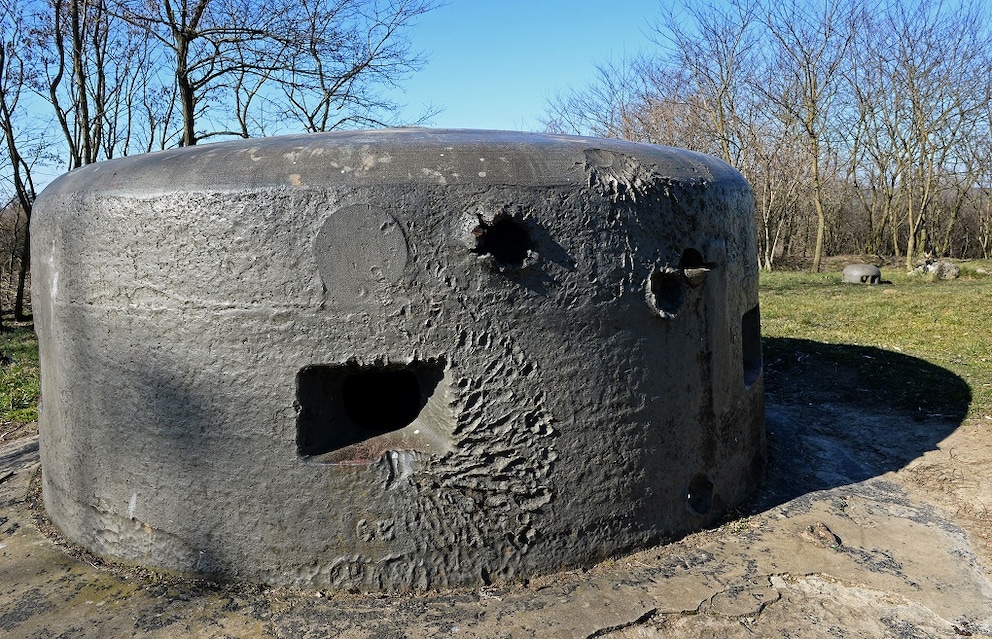
At the time, the Ostwall was considered one of the most ambitious defensive structures in the world. In the central section of the now more than 30-kilometer-long system alone, over 56,000 cubic meters of concrete were used. The underground city featured a rail network with stations and could have sheltered tens of thousands of soldiers in an emergency. Construction began in 1936 but ended just two years later. The reason: The Nazis’ defense priorities had shifted, with the enemy now perceived primarily (once again) in France. With the German invasion of Poland and the outbreak of World War II, the Ostwall lost significance for the Nazis.
They continued to use the underground city during the war, but in 1945, the Red Army captured the defensive line in just three days. The Nazis then abandoned their underground fortress, which was used for a time by the Polish army after the end of World War II. However, the costs of maintaining the gigantic tunnel system were too high, and the mega-bunker fell into obscurity in the 1960s. That could have been the end, but in the 1980s, the facility suddenly came back into the public eye because it was occupied by a kind of sect.

This Bunker Was One of the Most Expensive Construction Projects in German History

Derinkuyu: The Massive Underground City Discovered Beneath a Man’s Home
At Least Five Deaths
They preferred to call themselves “Bunker People” and held numerous events in the underground city, including illegal raves and even weddings. From the early 1980s to the late 1990s, they caused much commotion and discontent. This was because at least five people died in the sprawling tunnel system during this time, due to falls or fires. Even today, graffiti on the walls of the underground bunker testifies to this bizarre “interim use.” Since 2011, however, the site has been open to the public and can be visited as the “Fortified Front Oder-Warthe-Bogen.”
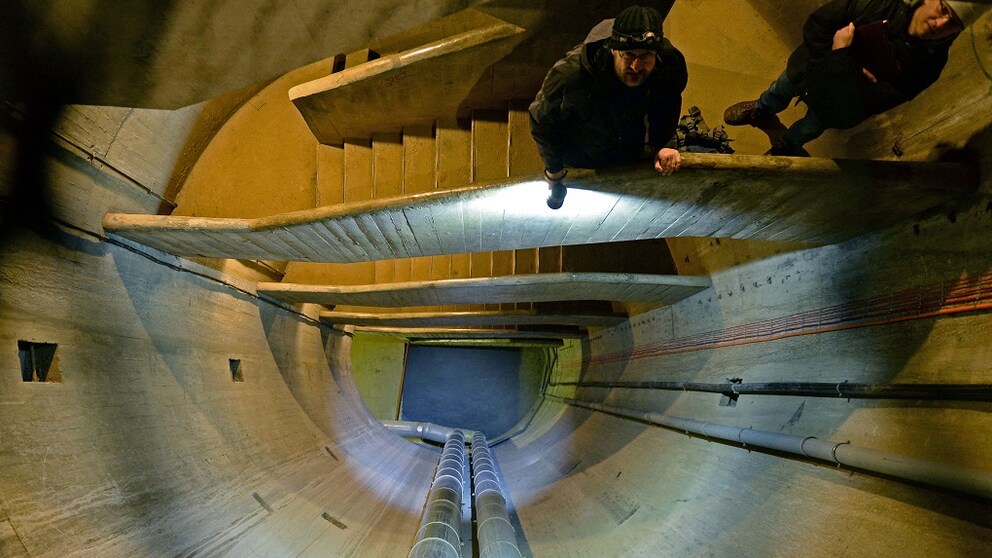
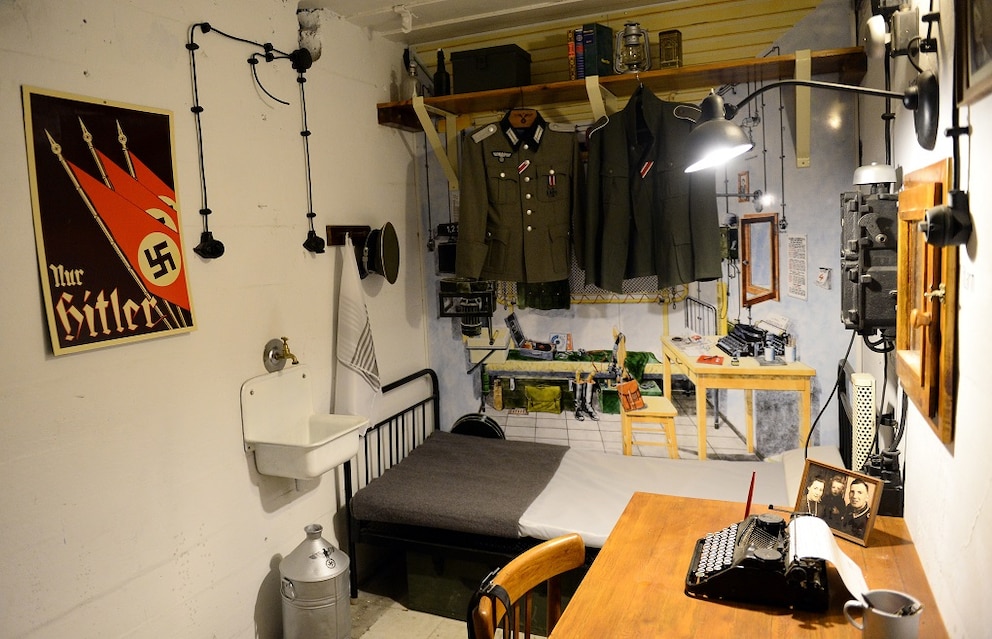
As incredible as it sounds, almost the entire 30 kilometers of the massive underground city are accessible. On tours of varying lengths, lasting up to eight hours, you can explore this dark, oppressive place. Mannequins in uniforms guard individual rooms and even the latrine, with the main shaft leading down a dizzying staircase to 40 meters underground. Here, a massive tunnel with pipes and rail tracks can be found. And if you look closely, you can still spot “residents” of the morbid catacombs today.
40,000 Bats

We’re talking about up to 40,000 bats that discovered the tunnels for themselves as early as the 1970s. Due to the constant cold here, the facility is ideal for them to live and also to hibernate. During this time, access to the underground city is limited for visitors to avoid disturbing the animals. The former Nazi fortress is nothing less than the largest underground facility of its kind in all of Europe. The military museum is the most visited tourist attraction in the Lubusz region.
On the portal Tripadvisor, users are impressed by the massive underground city: “It’s remarkable how intact the tunnel system still is,” says one. Another user writes: “An incredible place for tourists and those interested in war history alike.” A third adds: “A place run by enthusiastic people. I can only recommend a visit here to everyone.” If you’re now curious: The Międzyrzecki Rejon Umocniony, the Polish name for the facility, is open daily from 9 a.m. to 3 p.m. for visitors. Depending on the tour you wish to book, prices vary, which you can find on the official website.