

March 19, 2026, 4:38 pm | Read time: 10 minutes
South Africa is one of the most developed and diverse tourist destinations in Africa. Stunning coastlines, vibrant cities, and nature-filled safari experiences attracted more than ten million international visitors in 2025. The boom is no accident. Anyone who has been there understands why immediately. But as impressive as the country is, there are some common mistakes travelers should avoid. Our author was on-site and reveals 14 things you should not do in South Africa to fully enjoy your vacation.
When it comes to South Africa, many Germans have a specific image in mind. After a long flight of about 13 hours (Berlin – Cape Town), expectations are high. Everything should be perfect: friendly people, clean beaches, wild animals ideally posing for the camera. But these things are often not planned. Those who arrive with less demand for perfection often experience the country more relaxed and are less likely to be disappointed. Therefore, it is important to know typical mistakes. TRAVELBOOK reveals 14 such things you should avoid–and gives tips on how your trip can become a dream vacation.
Culture and People
1. Avoid Insensitive Behavior
South Africa has a turbulent history that still resonates today. The era of apartheid and the long road to democracy continue to shape the country. Nelson Mandela is a global symbol of freedom and reconciliation: After 27 years in prison, he became the first democratically elected president in 1994 and led the transition to a new era.
For this reason, sensitivity is required when dealing with political and social issues. General judgments or derogatory comments about (South) Africa are out of place. Instead, it is worthwhile to approach openly, respectfully, and with interest, without being too intrusive. Friendliness and openness are the best keys to genuine encounters.
The country’s linguistic diversity is also evident: In addition to English, which is widely spoken, there are 11 official languages. Differences in pronunciation or expression should be treated with respect–not ridicule.
2. Expect German Punctuality
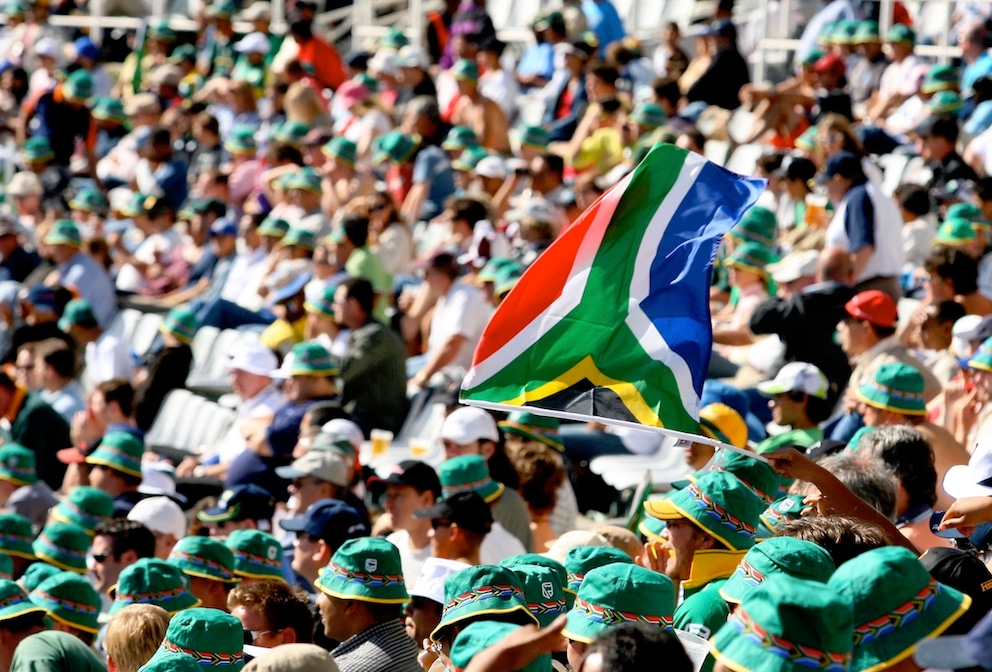
In South Africa, time often flows differently, and this is reflected in how time is managed. Appointments or schedules are not always as strictly timed as many are used to in Germany. Terms like “now,” “now now,” or “just now” can mean anything from “sometime later” to “soon.” Only “right now” truly means immediately. Those who adjust to this and bring some patience will travel much more relaxed.
Instead of getting upset about perceived tardiness, it helps to understand the more relaxed perception of time as part of the culture and incorporate it into your own rhythm.
3. Photograph People Without Permission
Pointing a camera at people is a no-go in South Africa, especially in townships. The residents are not tourist attractions but live their daily lives there. Unasked photos can quickly be perceived as disrespectful.
In general, respect privacy and dignity and always ask for permission first. Those interested in local life should consider guided tours with local guides. They provide fascinating insights, ensure respectful exchanges, and also offer more security.
4. Drink Alcohol in Public
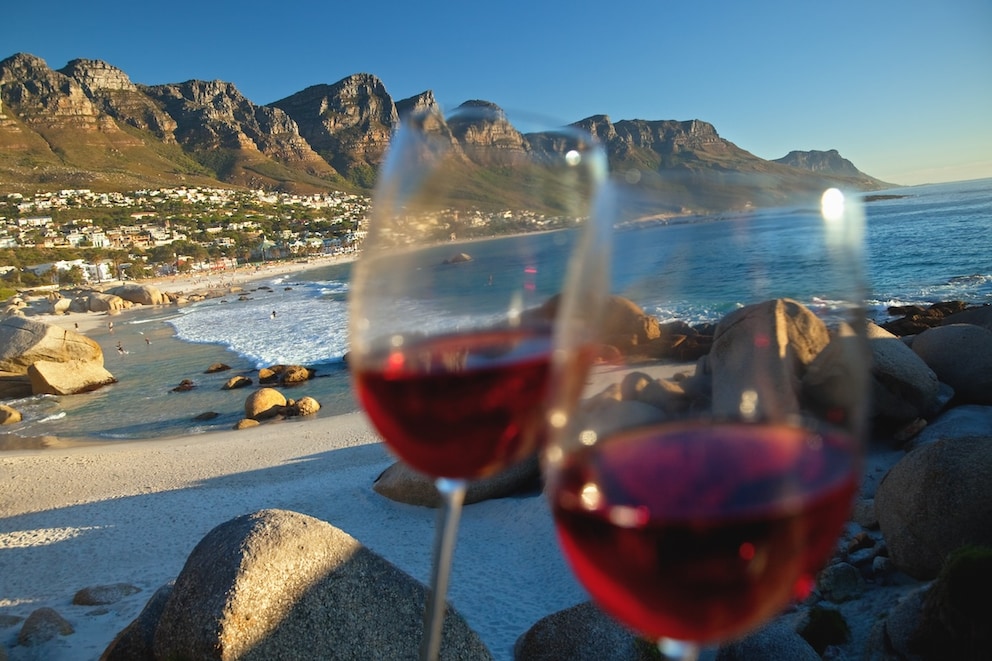
Public alcohol consumption is prohibited in many places in South Africa. For example, it is not allowed to be visibly consumed on beaches, in parks, or on open streets. Violators risk a fine. Alcohol is usually sold in separate liquor stores, and there are also restrictions in restaurants: Often, only beer and wine are available with meals, and sales can be further restricted on Sundays and holidays.
It is all the more worthwhile to discover the local wine culture. South African red wines, in particular, enjoy an excellent international reputation.
Safety and Travel
5. Walk Around in the Dark
Cities should not be explored on foot after dark. Even areas that seem safe during the day can become unsafe at night, especially if they are poorly lit or lack visible security presence. It is better to use taxis for routes between restaurants, bars, or accommodations. Solo trips should also be avoided if possible.
In general, the German Foreign Office advises against visiting certain city centers, including Johannesburg, Pretoria, Port Elizabeth (Gqeberha), and Durban. However, visiting with knowledgeable locals can be safe and enriching.
6. Use Minibus Taxis
Minibus taxis are an important means of transportation for locals in South Africa. Up to ten or more people often share a vehicle, making for a lively experience. However, they are not suitable for tourists: The driving style is considered unsafe, the vehicles are often overcrowded, and communication about destinations and prices can be difficult.
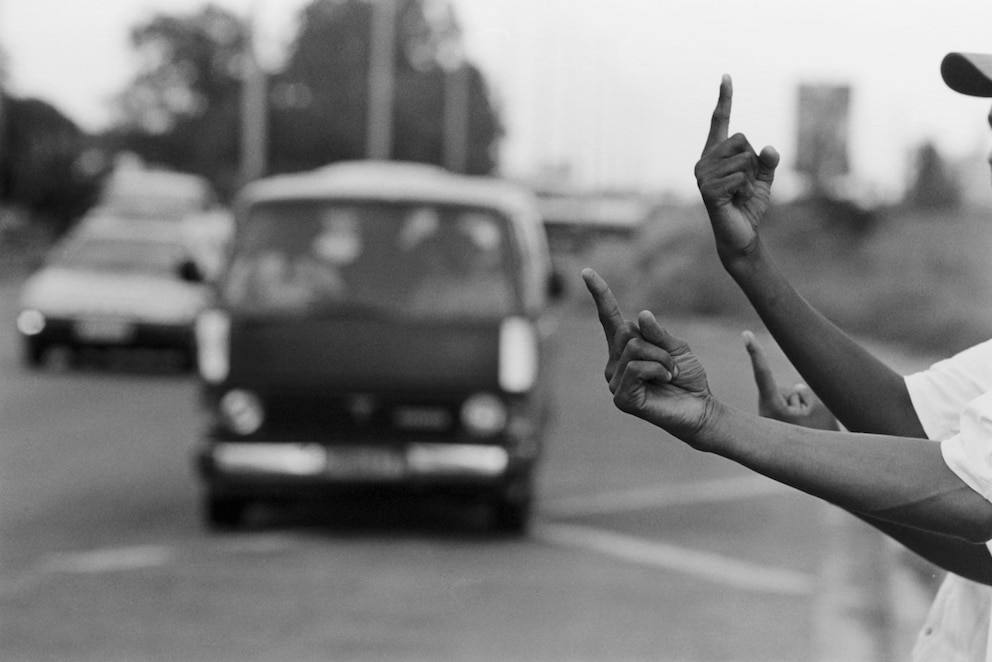
Official (call) taxis, ride services like Uber, or organized hotel shuttles are much more relaxed and safer. They offer more comfort and transparency–especially for travelers who are not yet familiar with the area. Additionally, rides can be planned in advance, providing extra security.
7. Underestimate Road Traffic
Those driving in South Africa should be well-prepared for left-hand traffic. Combined with partially unpaved roads, potholes, and suddenly appearing “bumps” (speed bumps), it can quickly become challenging. Overland trips at night should be avoided, partly due to wild animals on the road.
In general, always lock the vehicle while driving and when parked, and do not leave valuables visible in the car. Guarded parking lots are the better choice. It is also advisable to rely on reputable car rental companies to avoid unpleasant surprises.
8. Show Public Affection Thoughtlessly
South Africa is considered progressive in many areas: It was the first country in the world to ban discrimination based on sexual orientation in its constitution. Same-sex marriages have been legal since 2006, and the country sees itself as a “rainbow nation” celebrating diversity. Major cities like Cape Town are particularly LGBTQ+-friendly.
However, societal attitudes are not the same everywhere. In some parts of the population–especially in rural areas or lower-income neighborhoods–more conservative views prevail. Therefore, it is advisable to be generally cautious with public displays of affection to avoid uncomfortable situations.
What to Know Before Traveling to Senegal

How Safe Are Trips to Tanzania Right Now?
Safari and Nature
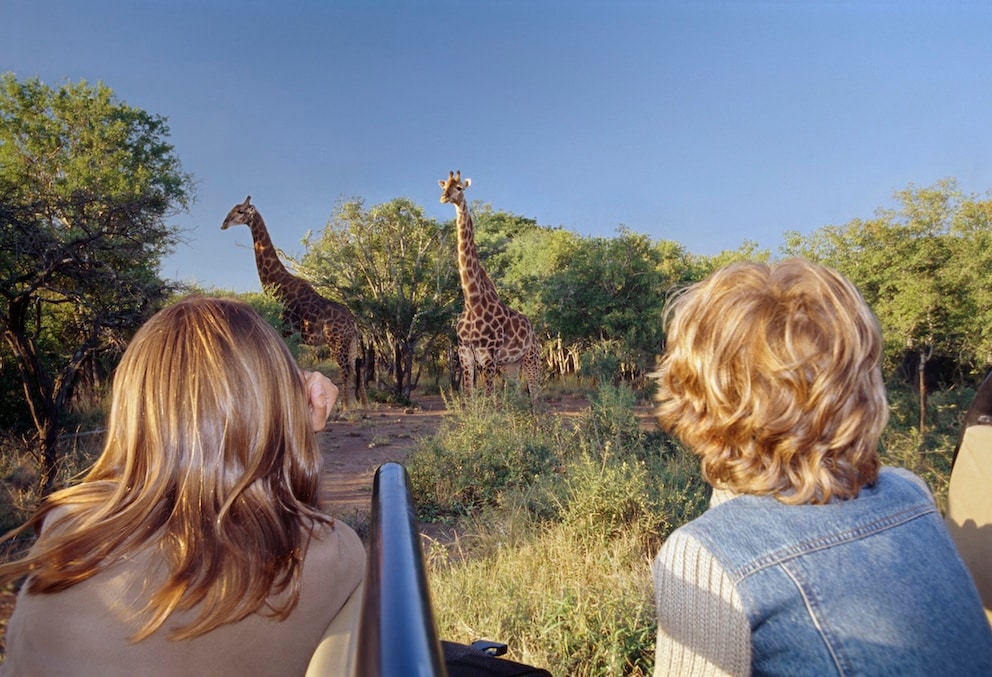
A safari is a must for many on a trip to South Africa. Options range from day trips by jeep, boat, or on foot to multi-day stays in private reserves or national parks. However, it is important to plan ahead: Near major cities, there are usually only smaller wildlife reserves. The larger national parks in the interior and north of the country are much more authentic. There, the chances of impressive wildlife encounters are higher, especially on guided tours where experienced guides can spot hidden animals and provide fascinating background information.
9. Expect Too Much
On safari, we are only guests in the animals’ “living room.” They move freely, follow their own rhythm, and only appear when they want to. Since visitors are also restricted to designated paths, it cannot be controlled which animals are actually seen. Those who want to see the “Big Five” or even a spectacular hunting scene should plan enough time and still remain flexible. From personal experience, it can be said that a tour generally does not disappoint, and you will definitely see at least one animal.
Safari experiences can be designed in many ways: from short excursions to overnight stays in camps in the middle of the national park, which are often particularly intense. However, high expectations quickly lead to disappointment. It is better to enjoy what is shown and not cling to a wish list. A simple but often forgotten tip: Put the camera aside and consciously experience the moment.
10. Choose the Wrong Season
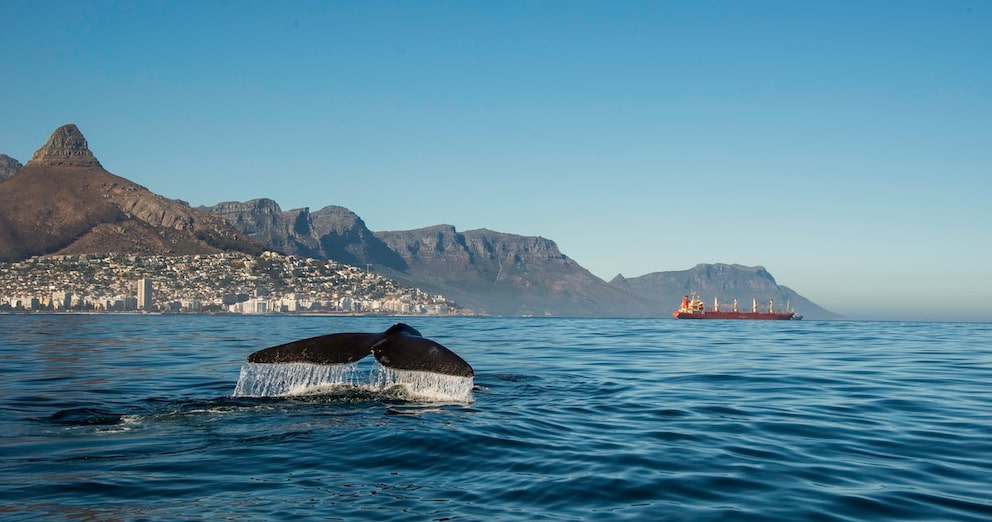
Since South Africa is in the Southern Hemisphere, the seasons are opposite to those in Europe. Depending on travel preferences, it is important to check the climate when booking. From December to January is summer, with temperatures up to 30 degrees Celsius, but also frequent, sometimes heavy afternoon thunderstorms. In the European spring and fall, South Africa has mild transitional periods with pleasant temperatures and often better chances for wildlife viewing. From June to August is winter, and it can get significantly cooler at night. At the same time, this period has an advantage: The vegetation is less dense, making it easier to spot animals on safari. From September to October is considered the best time for whale watching, as right and humpback whales are particularly close to the coast.
Also interesting: “How I Fell in Love with Cape Town on My South Africa Trip”
11. Swim Naked
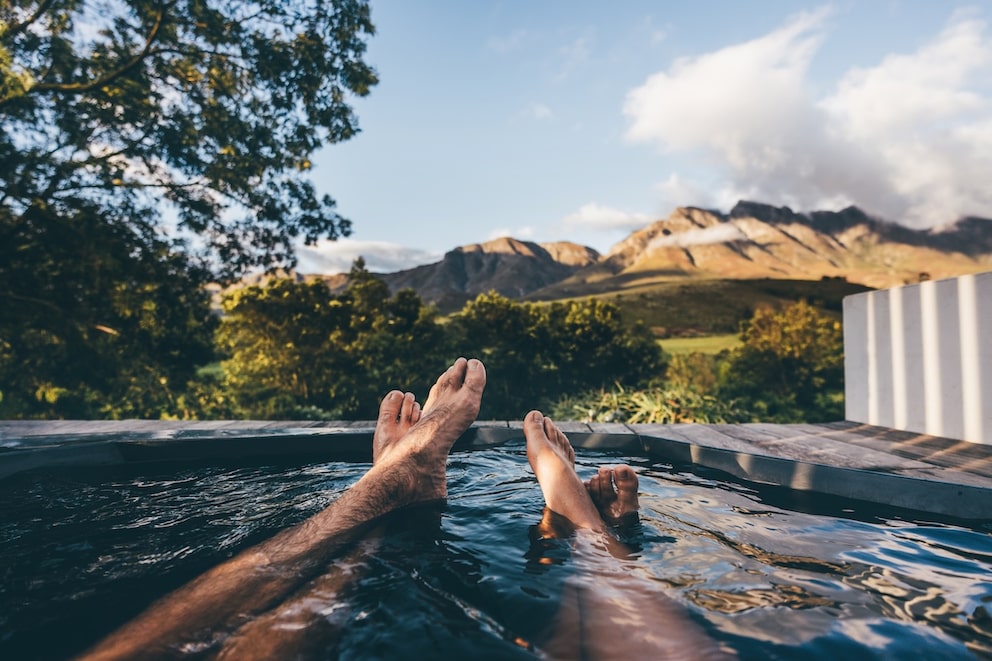
At South Africa’s beaches, nudity is generally prohibited! The highly valued nudist culture of the Germans does not resonate here. The South African society is much more conservative in this regard–and this should be respected. Few resorts and only one official beach near Cape Town, “Sandy Bay,” allow nude swimming. Those who sunbathe or swim without swimwear at other beaches not only risk puzzled looks and potential conflicts but also a fine.
Also interesting: South Africa’s First Nudist Beach Banned Again
Health and Cuisine
12. Overestimate Yourself with Street Food
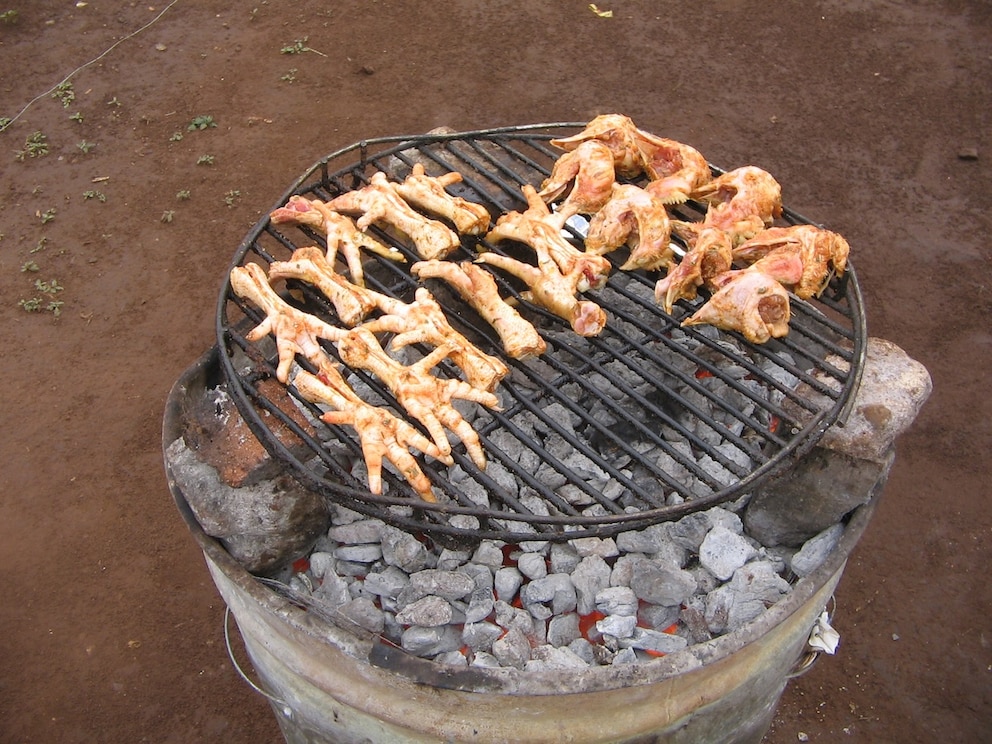
As in many non-European countries, travelers in South Africa should be cautious with street food. The stomach is often more sensitive to unfamiliar spices, preparation methods, or possible germs. Therefore, it is advisable to trust your gut feeling and not eat anything that seems questionable–even if curiosity is high. Well-rated restaurants or recommendations from locals, which can usually be relied upon, provide guidance. However, you should not completely forgo the local cuisine: South African dishes are an exciting mix of Indian, Malay, and African influences and are definitely worth a try.
13. Drink Tap Water Carelessly
This caution also applies to drinking. The German Foreign Office recommends: “Drink only water from safe sources, never tap water.” Purchased bottles should always be sealed, and ice cubes are worth a closer look–as they are often made from tap water. Although the water quality in many South African cities meets WHO standards according to official information, caution is better than regret. Those who want to be on the safe side should consistently opt for bottled water, especially outside major cities or in rural areas.
14. Not Pack Mosquito Repellent
The principle that caution is better than regret also applies to health: The risk of contracting malaria in South Africa is generally low but not zero. Regional and seasonal differences play a role. Therefore, travelers should inform themselves about current risk areas in advance.
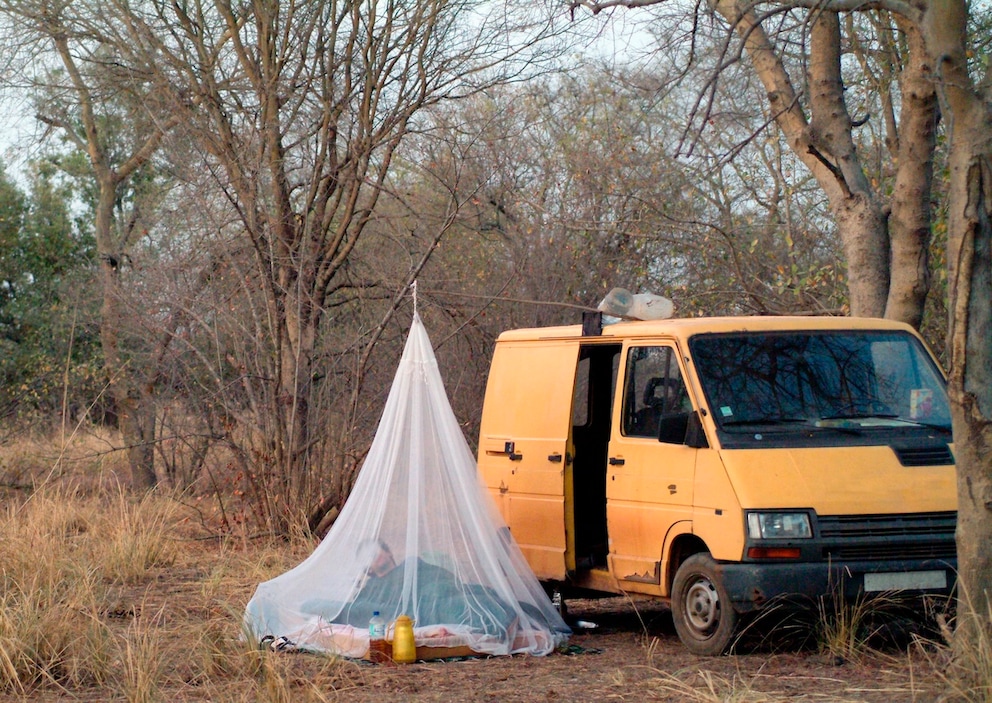
Regardless, avoid mosquito bites as much as possible. Especially on safari, it is advisable to use insect repellent, wear long, light clothing, and tuck pant legs into socks. On vacation, function can take precedence over style. A mosquito net for the night can also provide additional protection.
By following these tips, you can travel South Africa relaxed and safely–and focus on what makes the country so special: impressive nature, exciting culture, and unforgettable experiences.