

July 31, 2025, 4:05 am | Read time: 6 minutes
Many students choose Regensburg, even moving from major cities like Munich to the Upper Palatinate. The university is large, while the city is manageable—yet it’s packed with pubs and bars. However, there’s more to explore in historic Regensburg than just the nightlife. TRAVELBOOK reveals why a visit is worthwhile.
Arriving at the Regensburg train station can be a sobering experience for visitors: The station building is small, and the first things you see of the city are city buses and a bit of greenery. Fortunately, this is misleading, because after just a few meters on Maximilianstrasse, you’ve already reached the old town, which has been a UNESCO World Heritage site since 2006. Regensburg’s past as a medieval trade center, its well-preserved architecture, traces of the Romans, and its former political significance are the main reasons why this Upper Palatinate city was designated a World Heritage site. TRAVELBOOK reveals which sights in Regensburg you shouldn’t miss and what else the city has to offer.
1. Visit the Facade Paintings of Regensburg
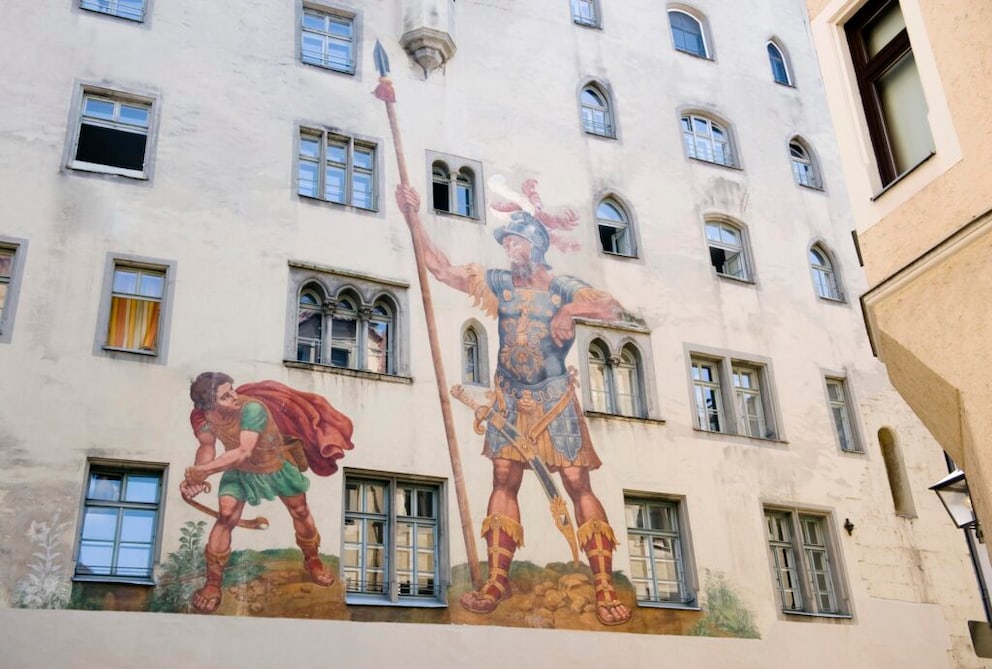
The traces of the past become apparent as soon as you enter the old town. In the narrow alleys, small, colorful houses line up. On some facades, old paintings can still be seen. The most famous building of this kind is the Goliathhaus, built in 1260, where a painting of a battle was created in 1573, which can already be seen well when you walk up Brückstrasse from the Danube bank. Incidentally, the painting is not based on the story of David and Goliath but on the “Goliards”—as theology students called themselves in the 12th century.
2. Admire Bavaria’s Only Gothic Cathedral
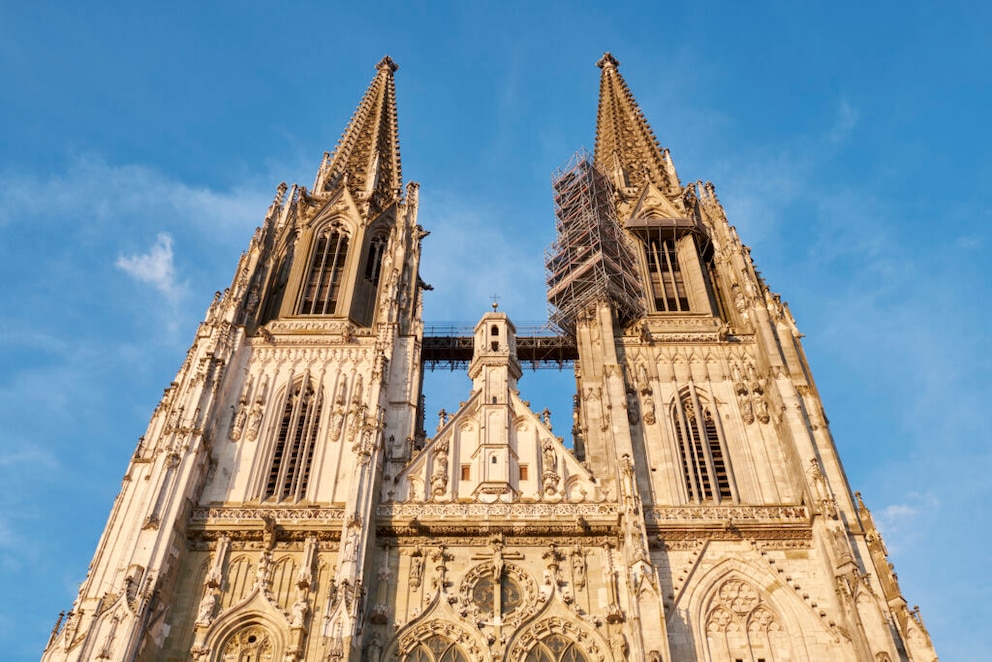
Not far from the Goliathhaus is probably Regensburg’s most famous landmark, the St. Peter’s Cathedral. It is the only Gothic cathedral in Bavaria—with colorful windows, ribbed vaults, and impressive towers that reveal the church’s Gothic architectural style from afar.
3. Take a Break in Regensburg’s Old Town Squares
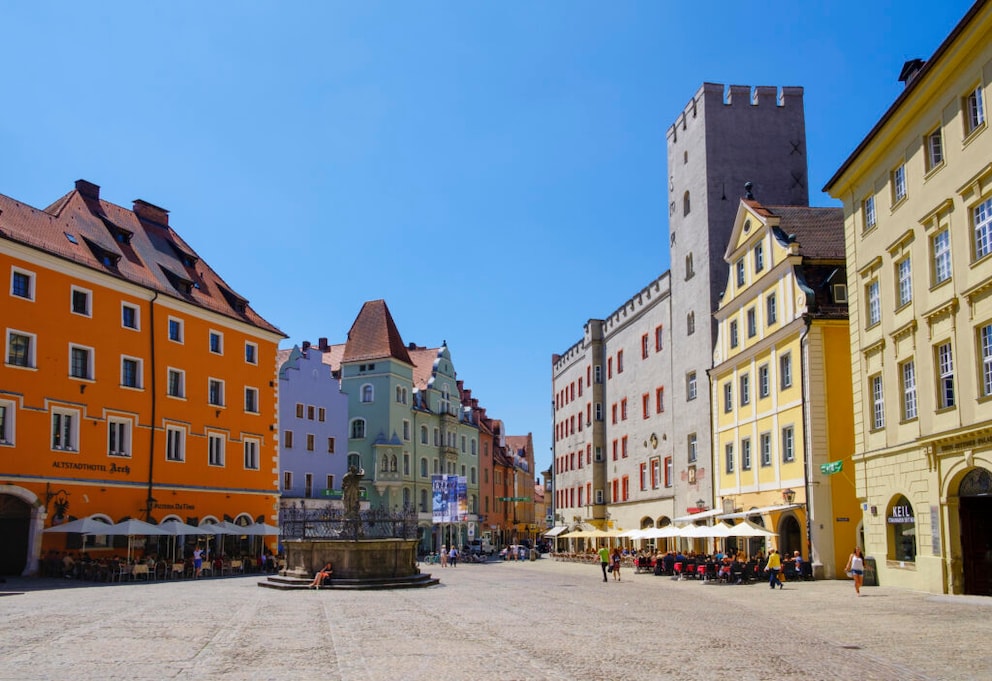
After a brief visit to the cathedral, Regensburg visitors can lose themselves again in the narrow alleys and look for a place for lunch or dinner elsewhere. Right by the cathedral, it’s usually crowded and a bit more expensive. However, short breaks can also be wonderfully taken on the numerous squares in the old town, such as Neupfarrplatz, which can also be viewed from the roof of Galeria Kaufhof, or Haidplatz with a quaint fountain in the middle and colorful, historic houses around it. Haidplatz is also home to the Neue Waag. The late Gothic building once housed the city scales and today stands out mainly for its bright red facade.
4. Go Shopping in Regensburg’s Old Town
Regensburg is home to around 150,000 people, making it a relatively small city. Nevertheless, the shopping opportunities are plentiful. You don’t even have to resort to shopping centers like the Regensburg Arcaden at the main train station. In the historic buildings of the old town, you can find stores of all popular brands as well as small boutiques. In short, you can get just about everything your heart desires without even leaving the old town.
Also interesting: The 13 Most Popular Small Towns in Germany
5. Discover Regensburg’s Culinary Diversity
The Café Weichmanns was established where the so-called Kunsthof came to an end. What remains are artifacts of metal sculpture, visible throughout the city thanks to Franz and Rudi Weichmann: wind chimes, fountain figures, weather vanes. Otherwise, Weichmanns stands out mainly for its central location, breakfast, lunch, coffee, and drinks, and an almost idyllic courtyard that is extremely popular in summer.
However, if you want to try the rather hearty Bavarian cuisine, you are well served with the numerous local restaurants and breweries or the historic “Wurstkuchl.”
6. Bar Hopping
Regensburg is a student city, with about 32,000 students spread across the university and college in the city. This is noticeable not only in the real estate market but also in the nightlife. Regensburg is known to most as the city with the highest density of pubs—and this is quickly confirmed as you stroll through the old town. But that’s exactly what you should take advantage of when visiting Regensburg. Sometimes you find yourself in a quaint bar with low ceilings and heavy, old wooden beams; sometimes you have to descend a narrow spiral staircase to enjoy a beer or cocktail. Even Pete Doherty, the frontman of Babyshambles and Libertines, succumbed to the charm of Regensburg’s pubs and drank so many drinks there that he became a rowdy burglar.
6 of the Most Beautiful Old Towns in Bavaria
The Beauty of the Polish Port City Gdansk
7. Relax at the Danube Bank in Regensburg
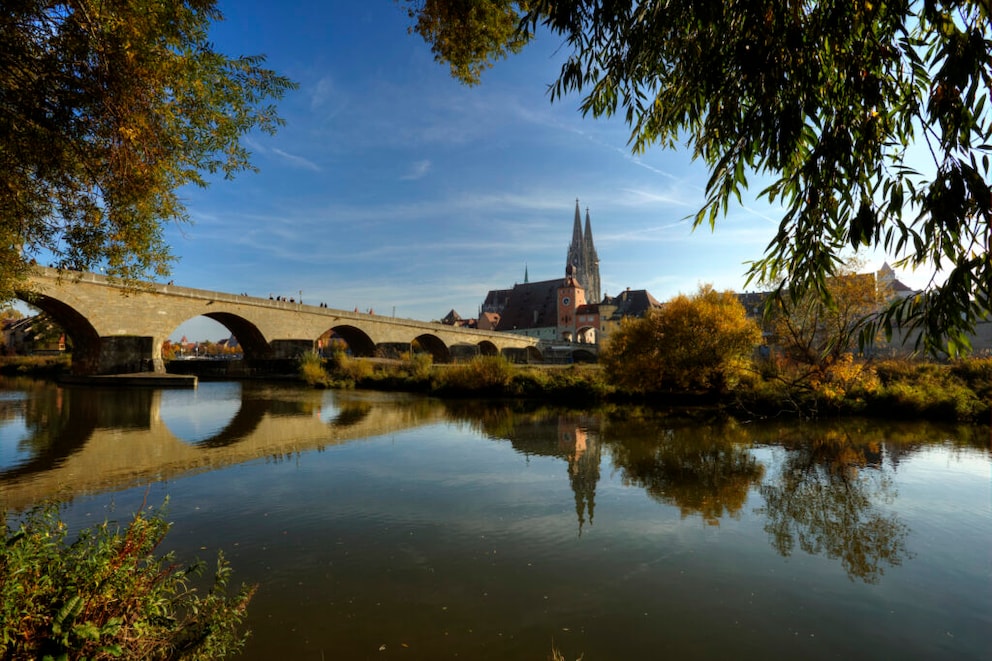
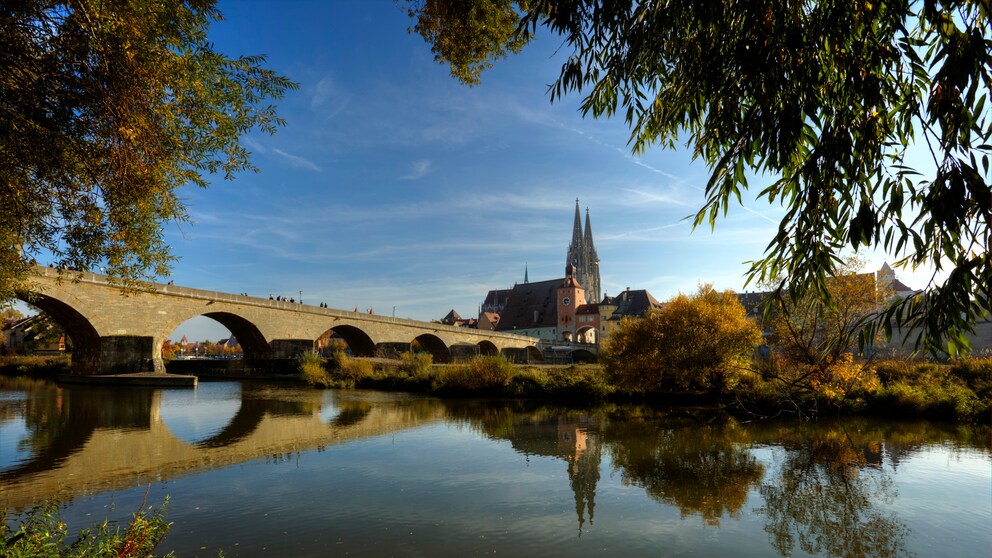
If the hustle and bustle of the old town becomes too much, you can reach the Danube bank on foot in just a few minutes. There you’ll find another Regensburg attraction, the Stone Bridge, one of the oldest stone bridges in Germany (built 1135–1146). It spans the Danube where the river splits and creates islands, offering the perfect idyll to enjoy the sun with a beer in hand—weather permitting. Of course, the numerous students have also discovered this for themselves. The Danube becomes a venue for a relaxed start to the evening on weekends and is a good place to study for exams during the day.
8. Venture into Bavaria’s Nature
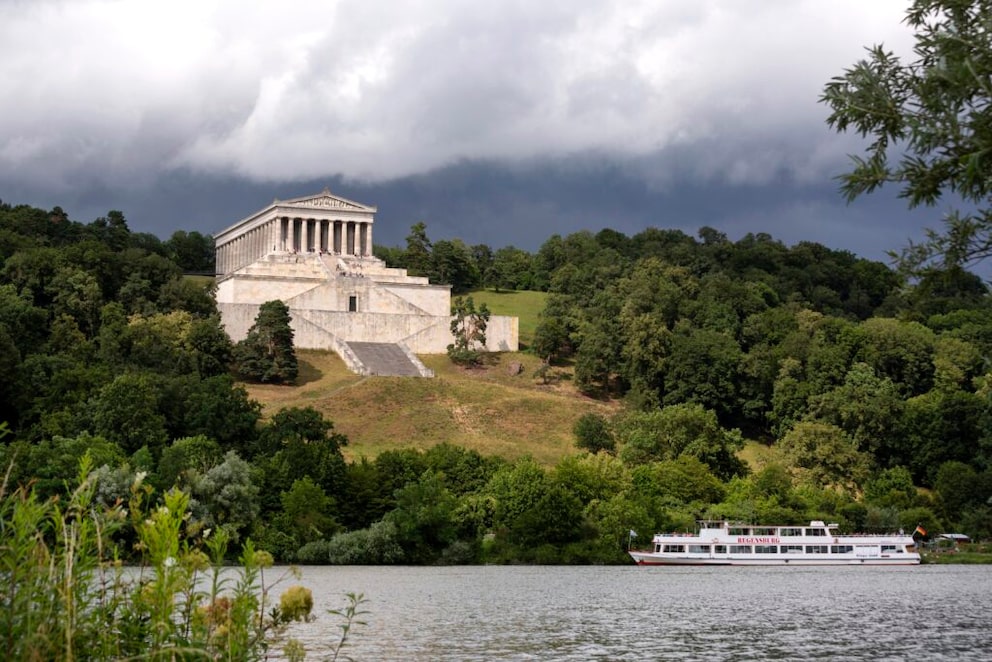
Regensburg’s location is ideal for nature lovers who want to make excursions to the nearby surroundings with little time investment. The Walhalla, a memorial for famous German personalities, is in close proximity. The expansive neoclassical building was modeled after ancient temple structures and commissioned by King Ludwig I of Bavaria. Architect Leo von Klenze was tasked with the design, and the Walhalla was opened in 1842. It houses around 100 marble busts, including those of Lessing, Albert Einstein, and Joseph Haydn. The memorial is a well-known attraction in the Regensburg area and draws many tourists. Additionally, not only does the Danube with its banks offer a lot of greenery, but also the smaller rivers Regen and Naab, which flow into the Danube.