

August 1, 2023, 2:58 pm | Read time: 9 minutes
Riga is often called the pearl of the Baltics. A reputation the capital of Latvia rightfully holds, according to TRAVELBOOK authors Sabine Winkler and Larissa Königs. Whether summer or winter, the city impresses with a mix of Latvian coziness, Hanseatic architecture, Soviet remnants, and European modernity. What you shouldn’t miss during a visit: TRAVELBOOK reveals travel tips for a weekend in the Latvian city!
With around 627,487 residents, Riga is not so small and can compete with other top European travel destinations. For all digital nomads, the city has a clear advantage: There is lightning-fast mobile internet everywhere–and since Latvia is a member of the European Union, you can use your German mobile contract as usual here. But there are even more reasons for a lovely weekend in Riga.
Overview
What to See on a Weekend in Riga
The Parks in the Heart of the City
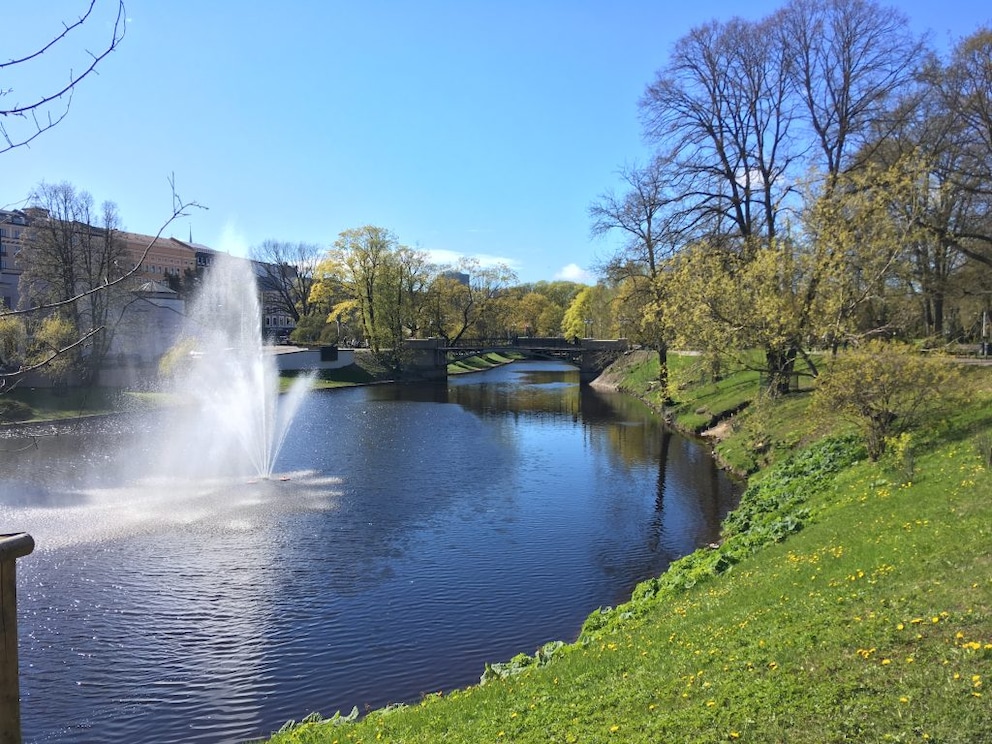
Basteiberg and Kronvalda Park are among the most beautiful parks in Europe. If you’re unsure what to do first on a weekend in Riga, this is the perfect start to get to know the city. The two parks romantically wind through the capital, along numerous canals that flow into the Daugava River. Here, you can directly transition from Riga’s shopping street to a peaceful oasis and leisurely stroll to the Latvian National Opera.
Also interesting: Current ranking shows the cheapest city destinations worldwide
The Old Town of Riga
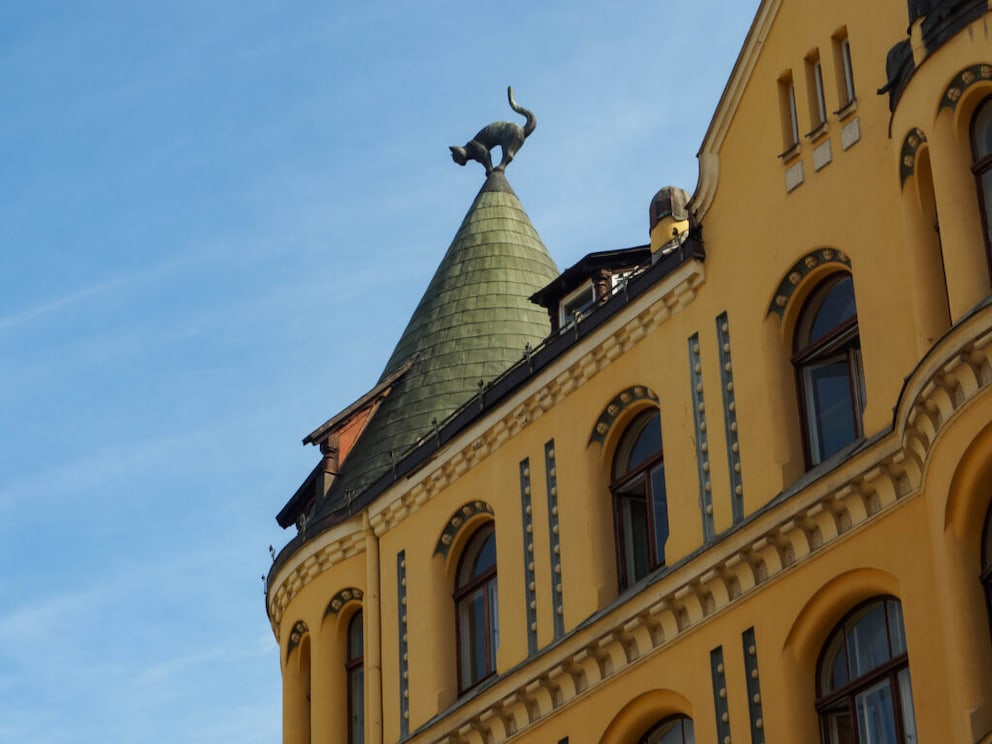
From the parks, you can directly reach the Old Town of Riga, where most of the city’s attractions are located. A suggestion for a walk: Start at the lively Livu Square, with its many colorful houses, including the small and large guilds, offering a beautiful first photo backdrop. From here, the path leads past the famous Riga Cat House, named for the two arching cats on the roof. A wealthy merchant once had the animals placed on the roof, with their rear ends facing his adversaries. They even went to court over it–but without success, as it was ruled that the “animals” could not be told where to position themselves.
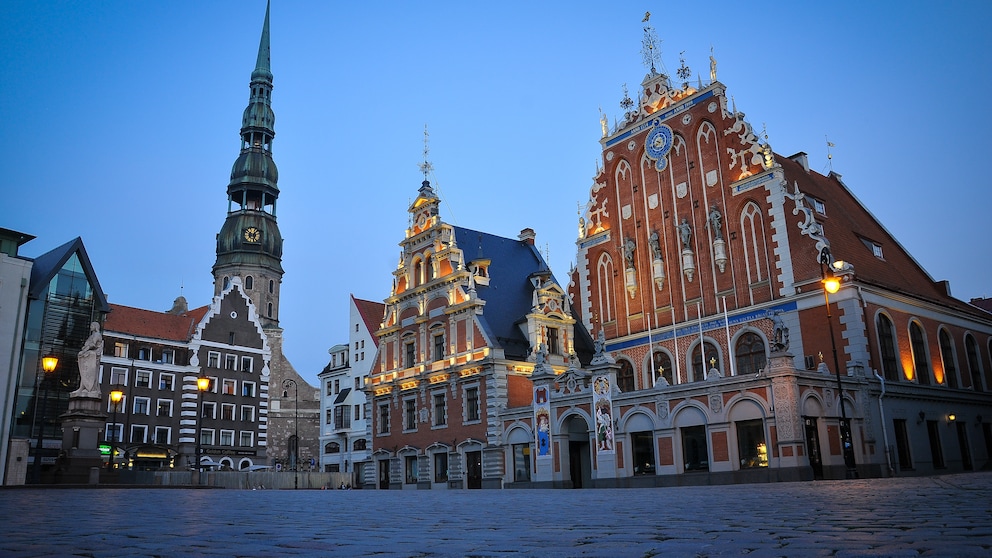
Continue to the Powder Tower and the Swedish Gate, which were part of the medieval city wall, along the Riga Cathedral from the 13th century, to the “Three Brothers.” These are three adjoining houses whose stories date back to the 15th century and represent Riga’s traditional architecture. Like many buildings in the Old Town, they were destroyed in World War II and later rebuilt. This also applies to one of the most beautiful buildings in the Old Town, the House of the Blackheads. First mentioned in the 14th century, it was once the center of Hanseatic merchants in Riga and, with its Hanseatic architecture, resembles many German Baltic cities, such as Lübeck. After its destruction in World War II, it was elaborately reconstructed for Riga’s 800th anniversary and has adorned the Town Hall Square since 1999 (large photo above).
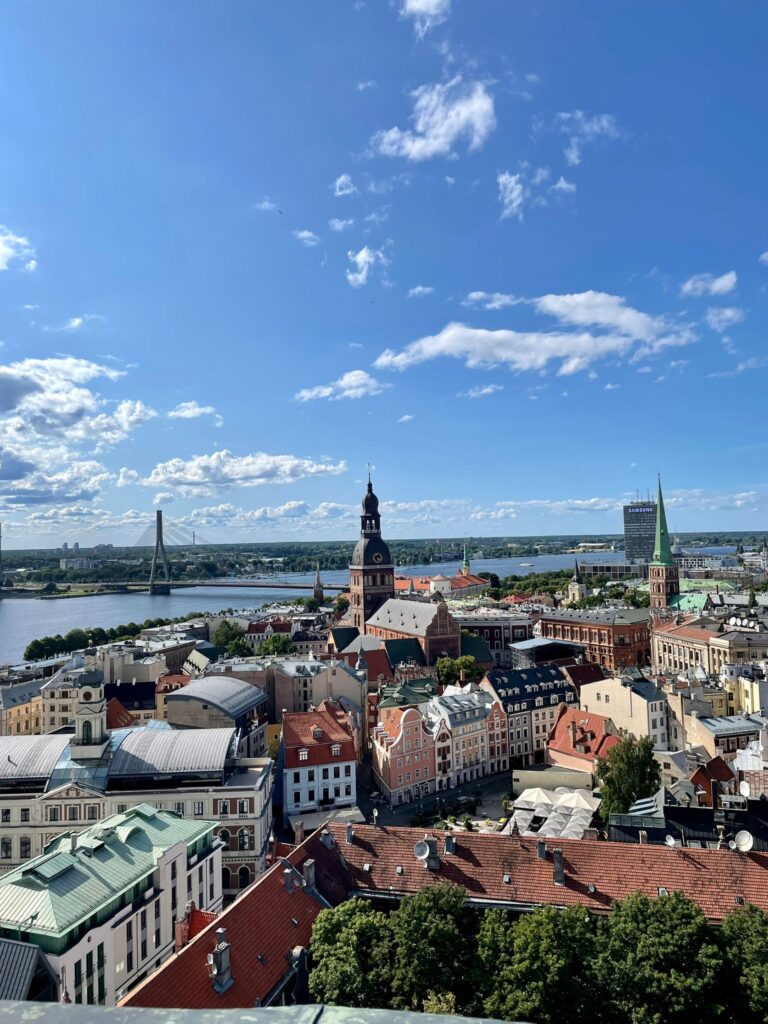
To conclude the Old Town walk, St. Peter’s Church is a great choice, offering a breathtaking view of the Old Town from its tower. Admission to the church and platform costs about 15 euros per person, but it’s worth it. At the top of the church tower sits the largest rooster in Riga’s Old Town, another symbol of the city alongside the aforementioned cats.
The Art Nouveau District
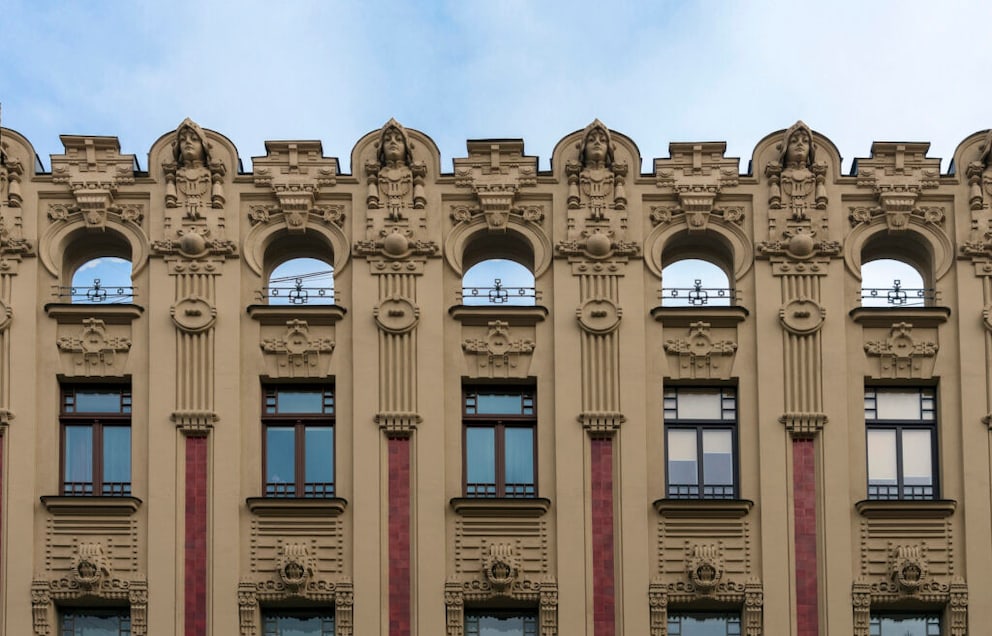
Riga is the Art Nouveau capital of Europe: Nowhere else is there such a concentration of elaborate buildings from the period between 1890 and World War I, when Riga experienced an economic boom. The heart of the Art Nouveau district is Alberta iela. Here, you’ll find many of the elaborate facades brimming with ornaments, floral elements, artistic balconies, and even “false” floors that serve purely decorative purposes. The most impressive are the buildings by architect Mikhail Eisenstein, including the world-famous house number 12 on Alberta iela. Anyone spending a weekend in Riga should definitely stroll through the Art Nouveau district–for architecture enthusiasts, it’s like an open-air museum.
Also interesting: Are Germans afraid to visit Riga, Mr. Mayor?
The Museum of Occupation
To truly understand Latvia’s largest city, a visit to the Museum of Occupation is recommended. The small Baltic nation was almost continuously occupied from 1940 to 1991, first by the Soviet Union from 1940 to 1941, then by the Nazis from 1944 to 1945, and then it belonged to the Soviet Union again. This helps you better understand why Latvians proudly celebrate their independence since 1991.
Also interesting: Riga’s mayor on Soviet buildings: “It will take decades to correct this”
Riga Central Market
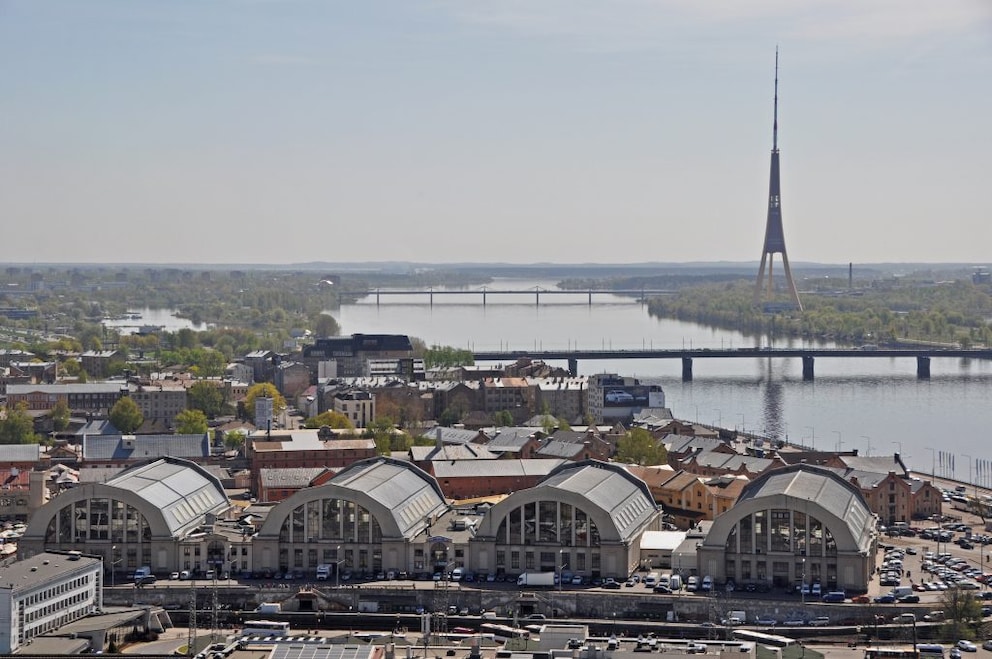
If the weather doesn’t cooperate and it rains, visit Riga Central Market! The largest food market in Latvia is located in two old Zeppelin halls, which were converted into a market from 1922 to 1930. Here, you can find everything a gourmet heart desires, from vegetables, milk, meat, to fish. Various dining options complete the experience. Vegans, vegetarians, and those who are more sensitive should avoid the meat and fish section, as the meat hangs from the ceiling and the fish are still breathing on ice.
Restaurant Tips for Riga
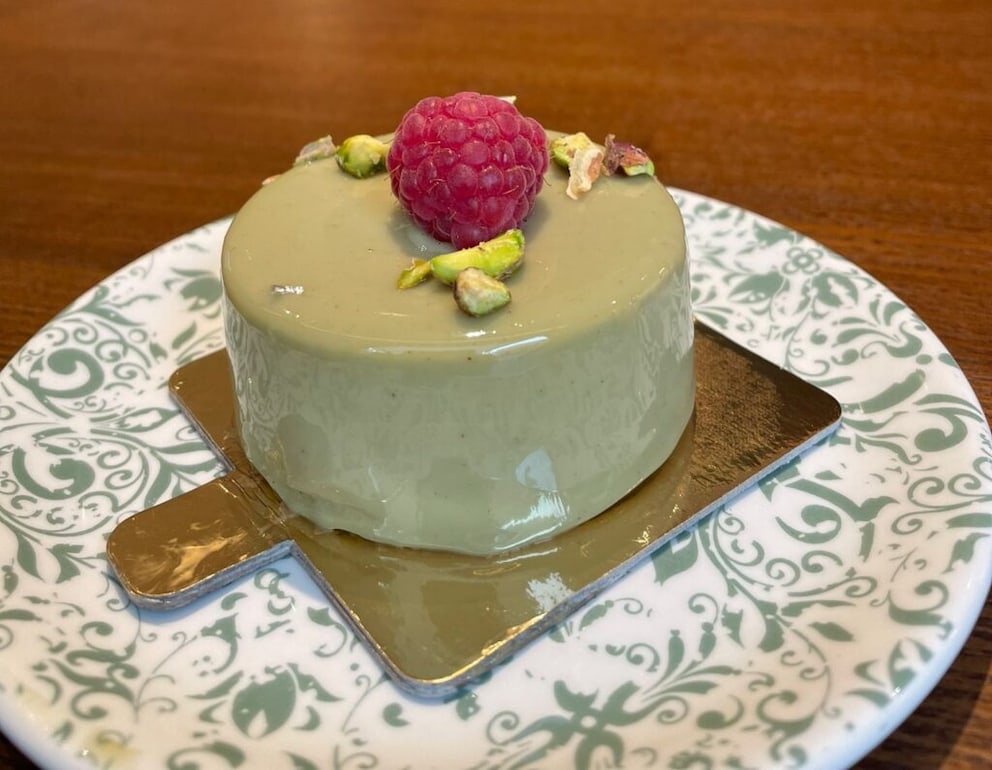
For breakfast, it’s worth stopping by the small café Rosmarine. It impresses not only with its cute decor featuring many nautical elements and numerous plants but also with its wide selection and good coffee. Highly recommended are the Syrniki or Biezpiena plācenīši, small curd pancakes served with sour cream and fresh berries. Things get even sweeter at Mulberry in Riga’s diplomatic district. The patisserie offers a variety of sugary treats; be sure to try the pistachio tart or a piece of the Napoleon cake.
Excellent restaurants can be found on a small, inconspicuous side street called Peldu iela. Alongside many cool bars, clubs, and restaurants, you’ll find the Folkklubs ALA. In the cellar, there’s live music and a rustic atmosphere with folklore kitsch. For a more upscale experience, visit Restaurant Riviera, which is ranked among the top 20 restaurants in the city according to Tripadvisor. Rightfully so–the Mediterranean cuisine is excellent, the interior is convincing, and the service is attentive. Everything tastes great, but if you want to try some regional cuisine, opt for the braised cheeks.
Also interesting: 28 travel destinations to visit before turning 30
A Walk to the Darkest Places in Estonia’s Beautiful Capital
This Little-Known City Is the Small Vienna Alternative
Excursion Tips Around Riga
Visit the Stylish Resort of Jūrmala
If you have enough time, you should take the train and head towards the Baltic Sea, preferably to Jūrmala. The journey takes about 50 minutes. Once the resort of the rich and famous from Riga, today it’s a popular weekend getaway for Latvians. Numerous wooden villas testify to its former glory. The sandy beach is 25 kilometers long and often covered with snow in winter–a stunning natural spectacle!
Drive to the Latvian Versailles, Rundāle Palace
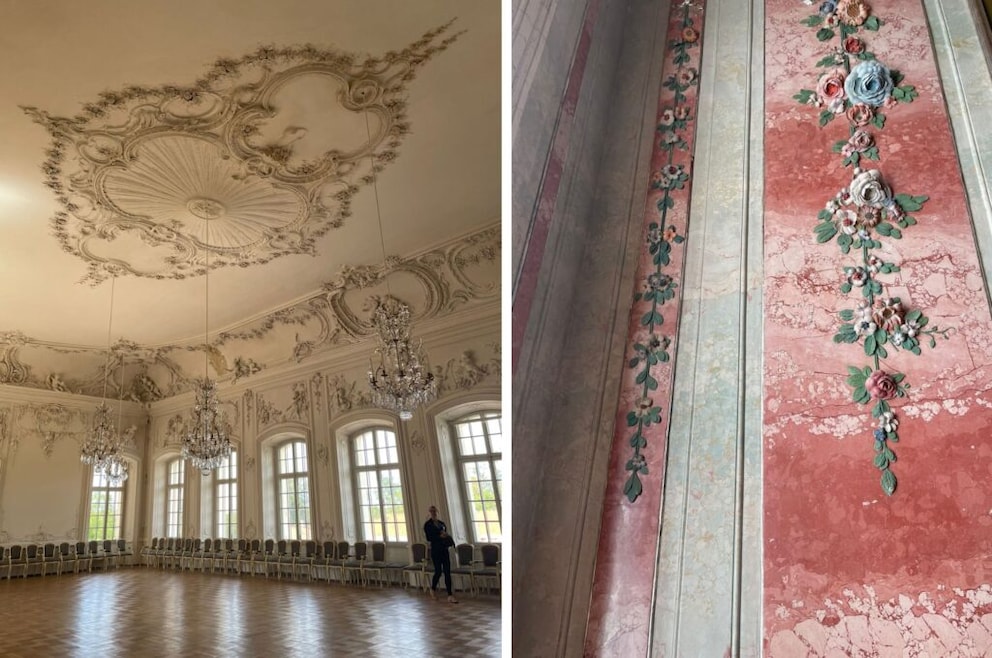
If you’ve been to Riga before and have some extra time over the weekend, you can drive from Riga to the “Latvian Versailles” in the Semgallen region, Rundāle Palace, in about an hour. Built in the 18th century by architect Francesco Bartolomeo Rastrelli, who also designed the Winter Palace in Saint Petersburg, it is considered one of the most outstanding examples of Baroque architecture in the Baltics. Today, the entire palace is a museum, with each interior meticulously restored or reconstructed. Particularly impressive are the Mirror Hall and the White Hall, where weddings are frequently held. The smaller rooms also impress with their elaborate decor and are, like the Rose Room, world-famous. If you have time, you can stroll through the adjacent palace garden, which, unlike the palace, doesn’t necessarily match the French original.
Also interesting: Valerijs (43) from Latvia: “These are the 3 reasons I emigrated to Germany”
Relax on the Miles-Long Beach of Saulkrasti
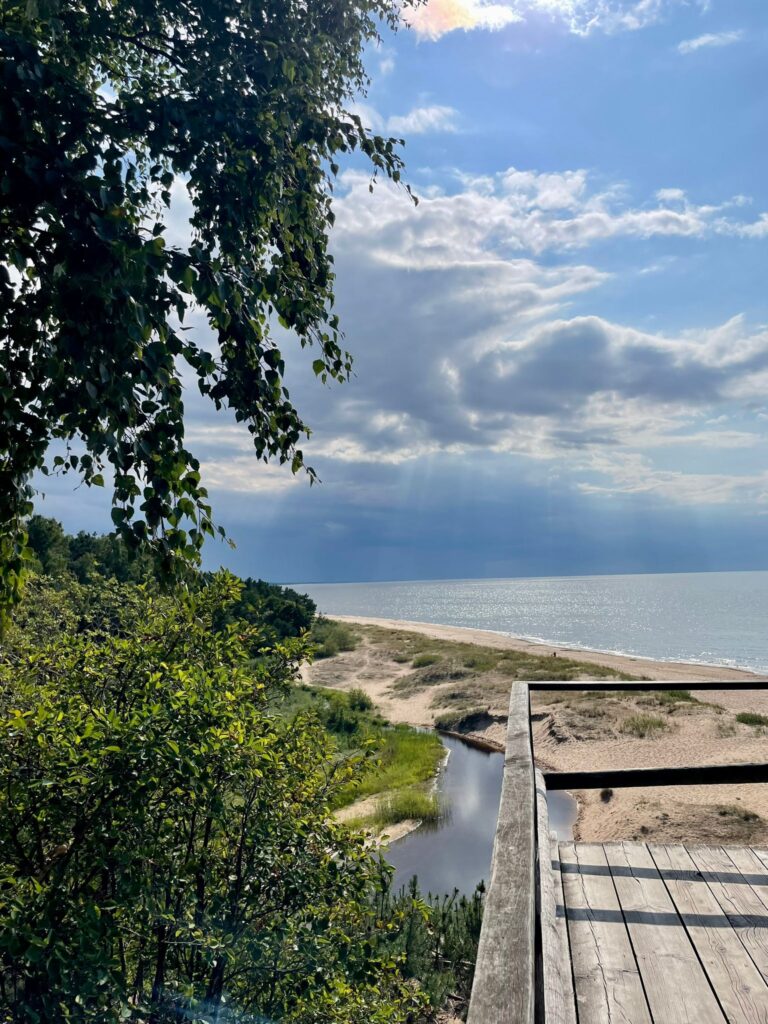
The small coastal town of Saulkrasti is located about 50 kilometers northeast of Riga and is a popular destination for vacationers thanks to its seemingly endless Baltic Sea beaches. It’s especially beautiful in Pabaži, also known as Katharinenbad in German. The name dates back to Catherine the Great, who came here to bathe in 1764. In 1950, the area was incorporated into Saulkrasti. In Pabaži, the Inčupe River flows into the Gulf of Riga, and there is a beautiful dune landscape covered with pines, which can be easily explored on a relatively new wooden walkway while enjoying the view of the Baltic Sea. In Saulkrasti, you’ll also find the only collection of historical bicycles in Latvia, lovingly curated privately for decades. Although the “museum” is modest, essentially just one room, it’s still worth a visit for tech enthusiasts.
How Much Does a Weekend in Riga Cost?
Riga is affordable. This is evident in public transportation, which is the best way to get around the city, even though the somewhat old Soviet-era buses can be quite adventurous. The tickets are a real bargain, with a five-day pass costing only 15 euros.
The overall price level is similar: You can plan a budget-friendly weekend trip to Riga, even though the euro is used for payment. Of course, you can always stay longer, but a weekend provides a good overview.