

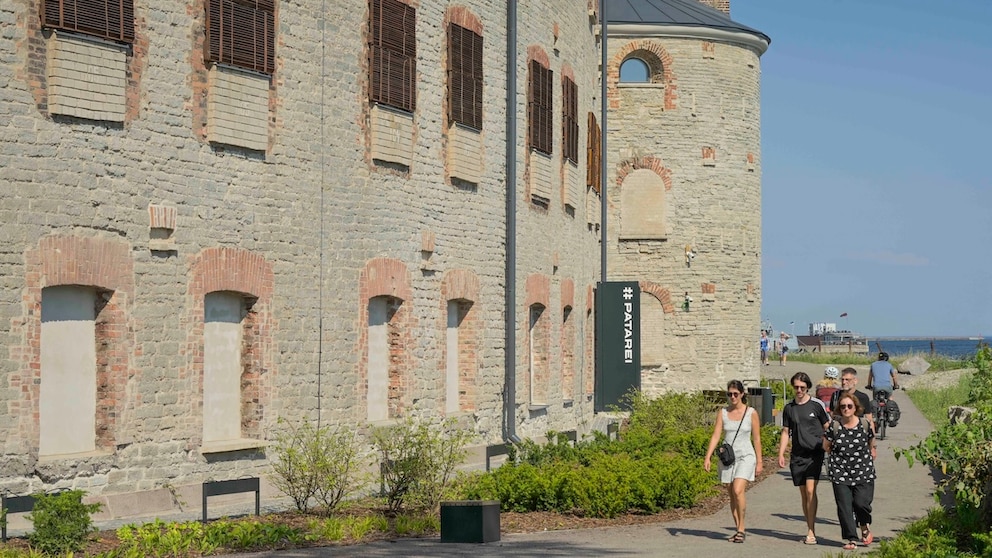
August 11, 2025, 11:50 am | Read time: 4 minutes
Tallinn, the popular capital of Estonia, is located in the north of the country on the Baltic Sea. It is the cultural center of the country and, with its medieval old town and numerous attractions, a popular travel destination. But it’s also worth delving deeper into Tallinn’s turbulent history. TRAVELBOOK author Frank Lehmann travels to the places where the brave little country suffered under Russian-Soviet occupiers.
The capital of Estonia is a fabulous destination. The old town is completely preserved and shines with a massive city wall, ancient merchant houses, and magnificent churches. You walk through the centuries and experience a city as if from a single mold. But those who look deeper into history see not only the splendid Hanseatic era but can also experience the dark times of Estonia. In the old town, you are shouted at: “Come to the Museum of Medieval Torture Instruments!” What nonsense, you can look at an Iron Maiden in a basement hole—that’s a tourist trap for 10 euros.
If you really want to be spooked and gain serious insights into Estonian history, learn about the time of Russian occupation.
Overview
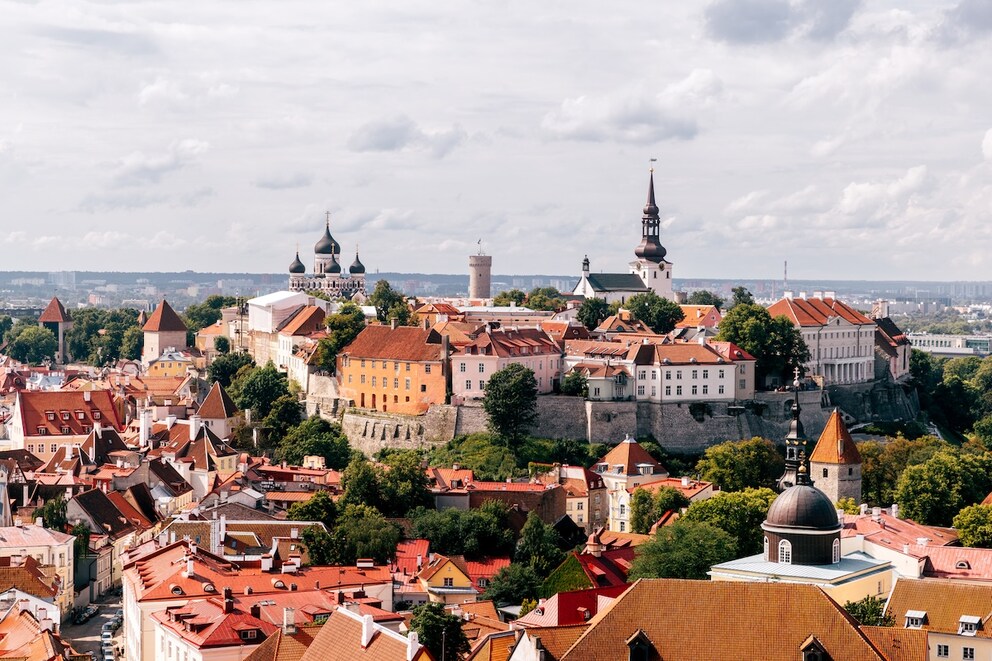
Visit to the National Museum Maarjamäe in Tallinn
The history of Estonia is closely intertwined with that of Russia. But instead of lingering in the pretty little castle, it’s worth traveling two kilometers further to the Maarjamäe National Museum in Tallinn, where you can delve into Estonia’s more recent history. The struggle of the Estonians in the 20th century is vividly depicted. The War of Independence is described, during which one in four Estonians died in the war or due to Soviet terror. No other country paid such a high blood toll–measured as a percentage. The museum also boldly collects old statues of communists in its garden. The dictators Lenin and Stalin stand around in all their bronze glory.
Two kilometers further, you can visit the Memorial to the Victims of Communism in Estonia. You walk through a long, dark corridor with name plaques of more than 20,000 victims of communism in Estonia. The place serves as a reminder of the 75,000 Estonians who were arrested, deported, or murdered between 1940 and 1941. The memorial uses unequivocal words. You read terms like “genocide” and “mass murder.” Stalin was a ruthless tyrant.

The Best Tips for a Weekend in Riga

Transnistria–The Country in Europe That Nobody Knows
Horror Prison on the Baltic Sea
First, we return to the enchanting old town. It’s time to take a breath, have an Estonian beer in the old market square. How delightful! We then happily wander through the alleys and stop in front of an unassuming house on Pagari Street 1. Here, hundreds of spies worked during the Soviet occupation. In the building’s basement was one of the most notorious and dangerous KGB prisons. You can visit the cells and learn more in an exhibition.
Vabamu Museum of Occupations and Freedom
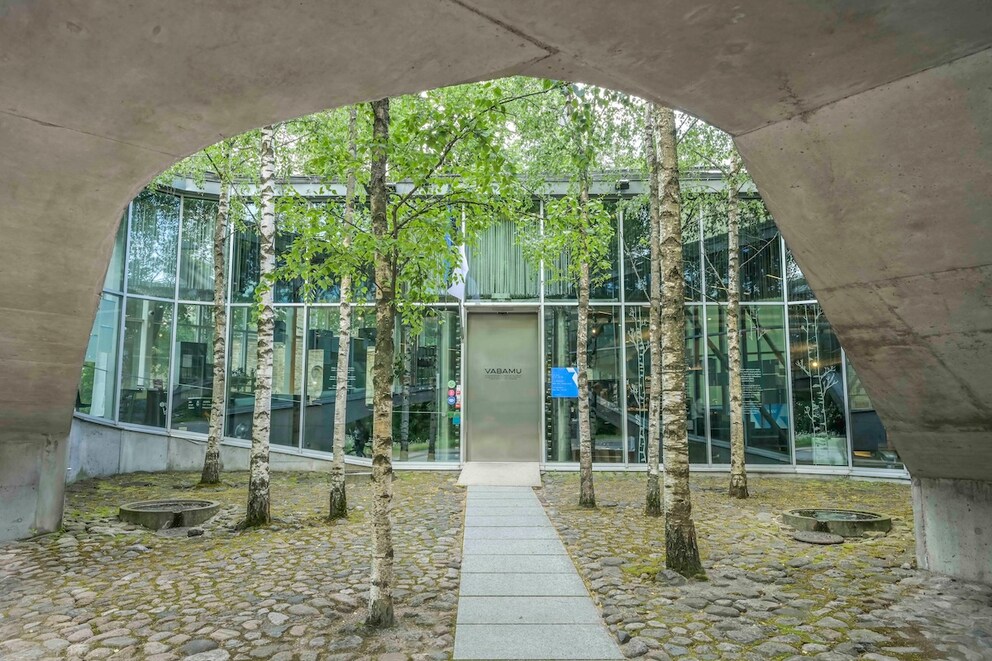
The Estonians’ effort to come to terms with their time of terror is intense at the Vabamu Museum of Occupations and Freedom. In a modern glass building, the sad history is brought close to visitors, also with an audio guide. The life stories of exiles who had to leave their homeland are also explained. You experience modern museum education.
We then head to the Military Cemetery, which shows how complex Estonia’s modern history is. German and Soviet soldiers lie here side by side. An unassuming monument is important, commemorating the Soviet occupation. After much debate, it was relocated in 2007. Subsequently, Estonia was attacked by Russian hackers who attempted to digitally paralyze the state apparatus. This city walk through the Russian-Estonian history complements the beautiful places of this extremely charming city that you must see. But it is essential to learn from history to understand the present.