

June 21, 2026, 1:04 pm | Read time: 3 minutes
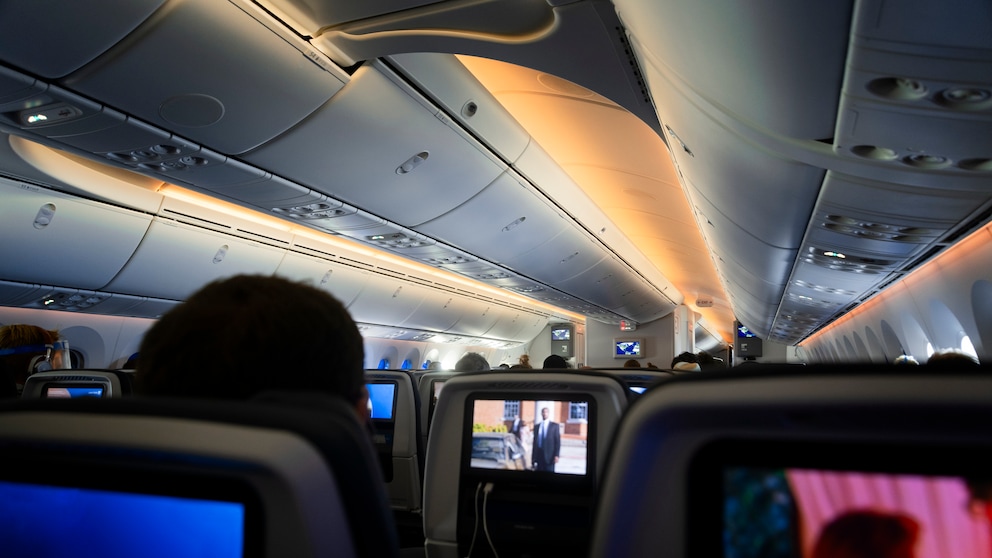
Suddenly, the tears start flowing: While a film on the ground might barely elicit a reaction, you suddenly find yourself crying on a plane. This phenomenon is known as the “Mile Cry Club” and has been a topic of discussion among travelers on social media for years. Scientists have investigated why people often become particularly emotional on planes—and the explanation is more complex than many assume.
It’s Not the Film That Matters
A study from the University of Washington explored whether in-flight entertainment makes passengers cry more often. The result: The content of the films doesn’t seem to play a decisive role.
Instead, various conditions on board might influence emotions. This includes the lower cabin pressure, which results in less oxygen being transported through the blood. Possible effects are confusion, fatigue, and reduced control over one’s emotions. Additionally, the constant noise level on the plane can be taxing on the nerves and make people more emotional.
Altitude and Stress Affect the Psyche
In general, the human psyche seems to react more sensitively at high altitudes. U.S. psychologist Jodi De Luca studied this connection and explained to the Anchorage Daily News that some passengers might feel anxious that something bad could happen during the flight.
This fear can lead the brain to release more stress hormones. The result includes an increased heart rate and more tension—factors that can make people more prone to tears.
According to De Luca, it’s not just the psyche at play. “It’s not just a psychological event, but also a physical one,” she says.
Many Stressors Come Together
On a plane, numerous factors converge: limited space, fatigue, excitement, high altitude, uncomfortable seats, and often unconvincing food. Added to this is the feeling of having to relinquish control over the situation.
All these circumstances can contribute to making people more emotionally vulnerable. Under these conditions, it’s almost surprising that more passengers don’t cry during a flight.
Why Older Adults Shouldn’t Sit Next to Each Other on Planes
11 Things You Shouldn’t Touch on a Plane
Researchers See Increased Emotional Strain
For the platform “PeerJ,” scientists in the U.S. surveyed 1,000 air travelers about their emotional reactions on board. Their conclusion was: “People who experience this supposed phenomenon are likely simply exposed to a significantly increased amount of emotional stimuli.”
Accordingly, the amount of emotional content might also play a role. Those who watch several sad movies in a row on a long-haul flight are confronted with moving scenes more often than in everyday life—and react more emotionally as a result.
How Travelers Can Prevent It
However, Jodi De Luca assesses the cause somewhat differently. “It’s because our ability to regulate our emotions is limited in an already stressful environment.”
She advises travelers to plan relaxation strategies before the flight. A puzzle book, video games, or a cozy blanket can be helpful. Scientific studies show that tears above the clouds are not an unusual phenomenon—and many air travelers share this experience.