

September 10, 2025, 1:05 pm | Read time: 3 minutes
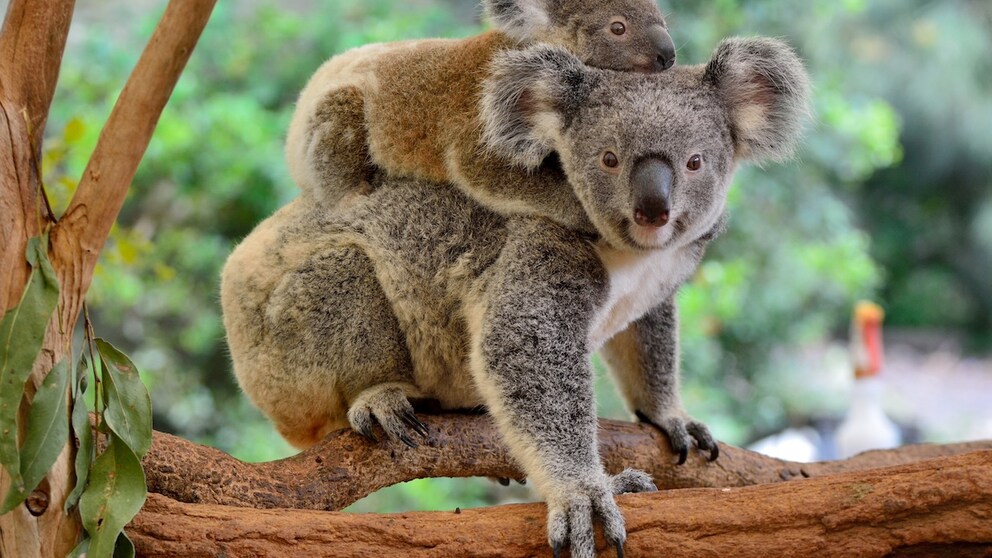
The population of koalas is limited to Australia–but even here, they are now highly endangered. In the state of New South Wales, the “Great Koala National Park” will open to protect koalas and other endangered species. Logging is prohibited in the area. TRAVELBOOK provides background on the newly established national park and comments from the government and environmental organizations.
Australia’s most populous state, New South Wales, is establishing a national park for koalas between Coffs Harbour and Kempsey. Since Sept. 8, 2025, logging has already been banned in this area. More than 12,000 koalas, 36,000 greater gliders, and over 100 other endangered species will find space on 176,000 hectares. With the expansion of surrounding national parks, the total size is 476,000 hectares. The state government announced the project back in 2023.
Koalas Endangered in the Wild
The Premier of New South Wales, Chris Minns, expressed concern in the official announcement of the national park: “Koalas are endangered in the wild in New South Wales–it’s almost unimaginable.” Without intervention, the species is at risk of extinction by 2050. In the early 20th century, millions of koalas lived in the wild, but they were hunted for their fur. The decline is dramatic: the population is currently estimated at about 60,000. According to the environmental organization WWF, the number of koalas in New South Wales has already halved between 2000 and 2020. The main reasons are logging, droughts, diseases, bushfires, and traffic accidents.
The bushfire that broke out in the summer of 2019, known as the “black summer,” killed, injured, displaced, or traumatized more than 60,000 koalas. Now, 140 million Australian dollars (78.3 million euros) have been allocated to secure the existence of koalas. An additional six million euros will support tourism and small businesses.

“Yellowstone of the Carpathians! Plans for Europe’s Largest National Park”
Coral Bleaching at Great Barrier Reef Reaches Record Levels
Between Conservation and Union Criticism
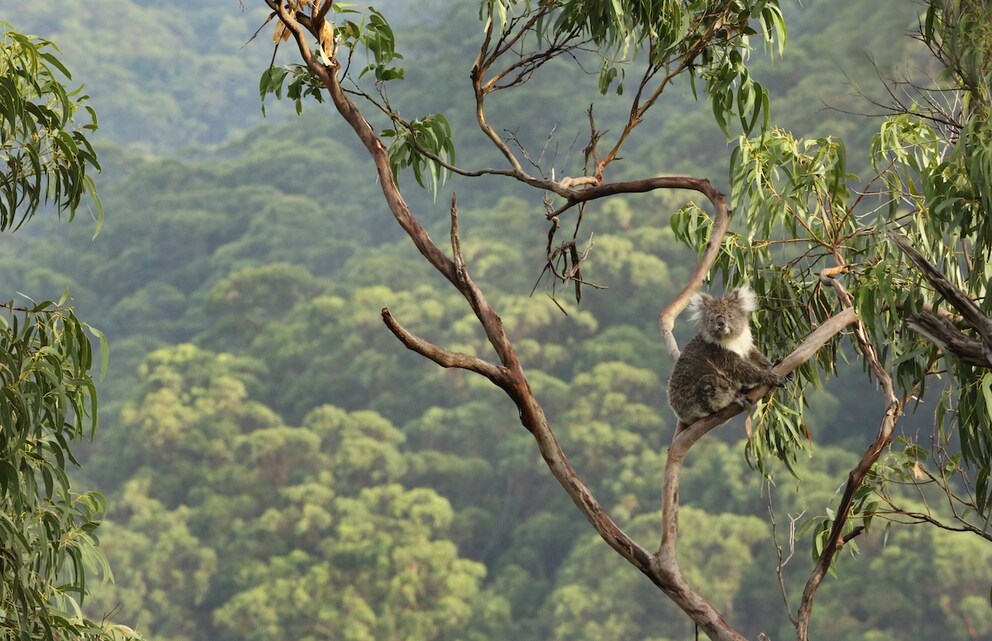
Unions criticize the scale of the national park, as it leads to the closure of six timber factories and the layoff of 300 employees. They advocate for a better approach to combine environmental protection with a viable timber industry. The Premier of New South Wales responds: “We have listened carefully and are ensuring that workers, businesses, and communities are supported at every step.” Agriculture Minister Tara Marioarty also clarifies that the government’s priority is to “fully support affected workers with payments and services during this major transition.” The opening of the Koala National Park is also relevant in the face of climate change, as eucalyptus forests are considered important refuges for koalas with an expected warming of 2.5–3 degrees by 2100. CEO of WWF-Australia, Dermot O’Gorman, emphasizes: “Koalas shape the Australian forests. If we can save the koalas, we can also save thousands of other species and the trees they call home.”
Also interesting: Interested in a trip through Australia? 7 exciting offers
Starting Point for Nature Lovers
The park is also expected to become a profitable tourist attraction. An additional 163 million Australian dollars (91 million euros) in tourism revenue is anticipated. A wide range of outdoor activities will be implemented, with improved campsites and hiking trails available. This ensures that the Great Koala National Park brings economic, tourist, and social benefits to the region. New South Wales Environment Minister Penny Shape emphasizes that it is a “real gift for our grandchildren” so they can experience koalas in the wild. These forests are extremely important for the animals–and are among the world’s most important biodiversity hotspots.