

September 15, 2025, 9:33 am | Read time: 6 minutes
Exploring breathtaking natural worlds with a metal detector, pioneer hat, and shovel in search of treasure like Indiana Jones–it’s still possible in some places around the world. At least, if you believe in the legends of buried riches. Where treasure hunters can try their luck–and what lies behind it: TRAVELBOOK explains.
There are still undiscovered treasures on this planet, some with stories that are hundreds of years old. Some hold riches worth billions, and many hope for a big breakthrough and endless wealth. TRAVELBOOK presents the most famous treasure locations worldwide and reveals which secret is also hidden in Germany.
1. The Gold of Lima (Peru)
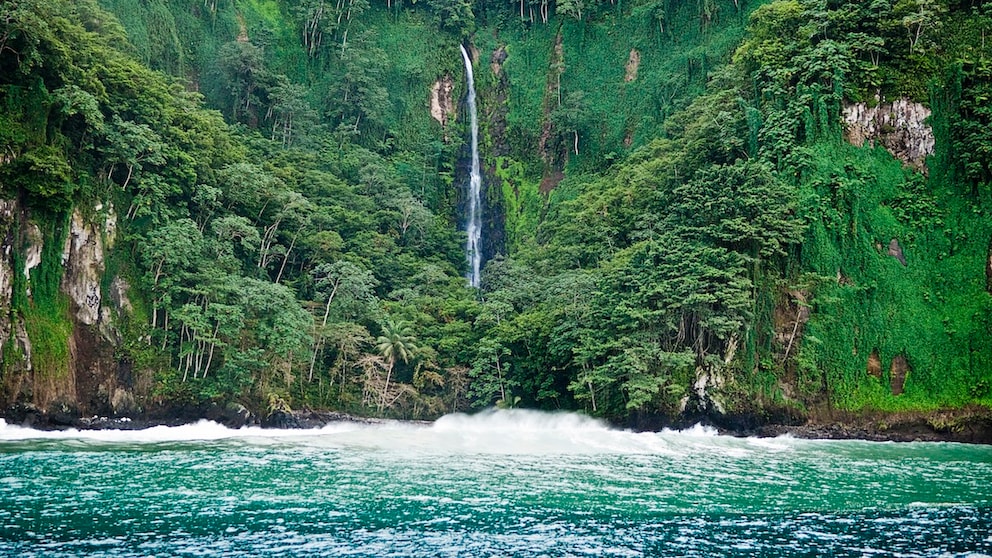
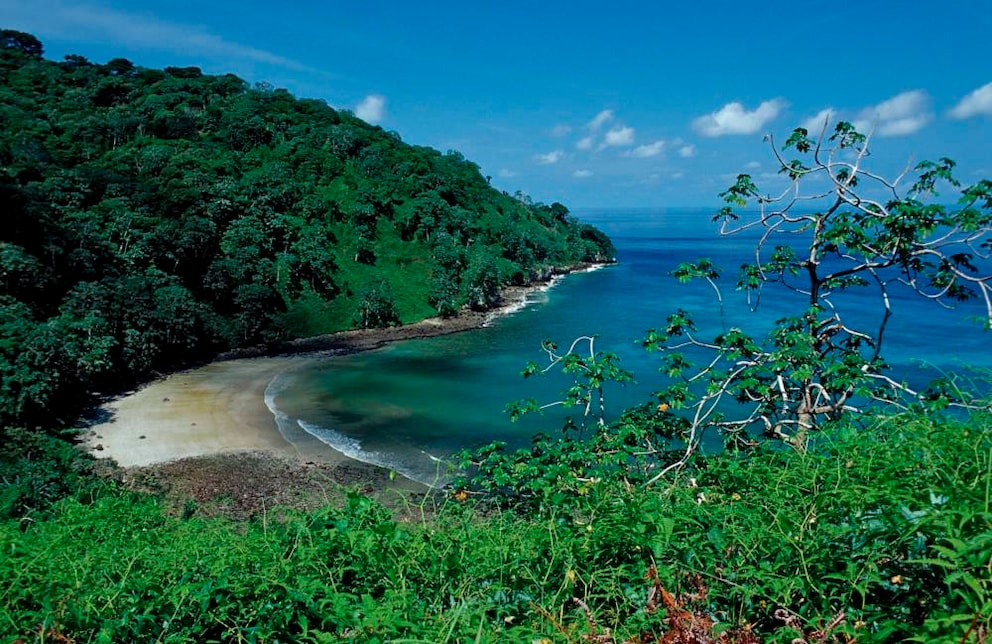
A treasure island with lost jewels? According to “Forbes,” the Catholic Church in Lima indeed amassed a massive treasure: including jewels, precious candle holders, and a golden Madonna statue adorned with gemstones. At that time, Peru was still a Spanish colony–and when the wars of independence broke out in South America around 1820, this church treasure was to be secured. English captain William Thompson was responsible for transporting it by ship. However, he and his crew murdered the Spanish guards on board and fled with the treasure to the still uninhabited Cocos Island, 560 kilometers away from Costa Rica, where he supposedly hid it. To this day, the treasure valued at 200 million U.S. dollars remains lost. Over 300 expeditions have unsuccessfully tried to recover the treasure. It is considered one of the greatest mysteries of treasure hunting.
2. The Buried Treasure of Butch Cassidy (USA)
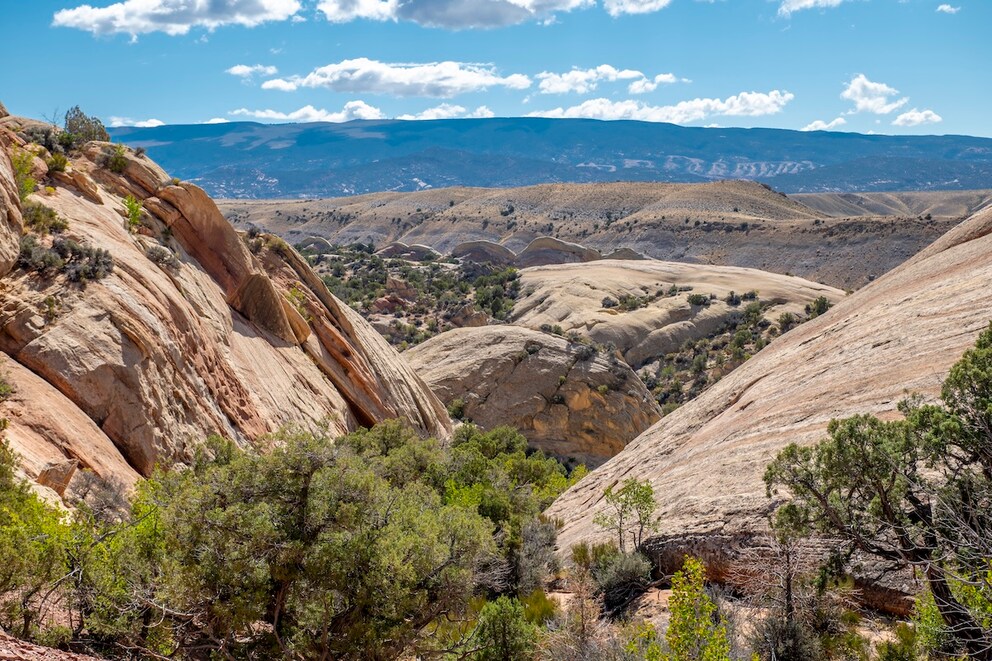
Butch Cassidy was one of the most famous gangsters in U.S. history. With his “Wild Bunch Gang,” he robbed numerous trains and banks at the end of the 19th century. To escape the death penalty, he fled from authorities to South America. Before his escape, he is said to have buried loot of silver coins worth 20,000 to 30,000 U.S. dollars in the remote Moffat County in Colorado. Occasionally, treasure hunters roam the canyons with metal detectors–so far in vain. In the episode “Gold in the Wild West” of the series “Beyond Oak Island–The Treasure Hunters on a Secret Mission,” a metal detector expert and a relative of Butch Cassidy try to track down the treasures.
Also interesting: Indian Temple Guards a Billion-Dollar Treasure
3. The “Eighth Wonder of the World” of the Amber Room (Germany)
This treasure is considered one of the most famous lost treasures in history. In 1716, Prussia gifted a legendary room adorned with amber and gold to Russia. In 1941, it was stolen by the Nazis and brought to Königsberg (former Germany and now Russia). Since the end of World War II in 1945, it has been considered untraceable. The intense treasure hunt has led to various theories about its whereabouts: Several hundred locations have been suspected–but it could also have been destroyed in the war. Numerous researchers from home and abroad have already desperately initiated search efforts, including intelligence agencies. The case is so astonishing that it is also known as the “Eighth Wonder of the World” and continues to hold its mysterious allure.

4. The Sunken Cargo of the “Spanish Titanic” (Brazil)
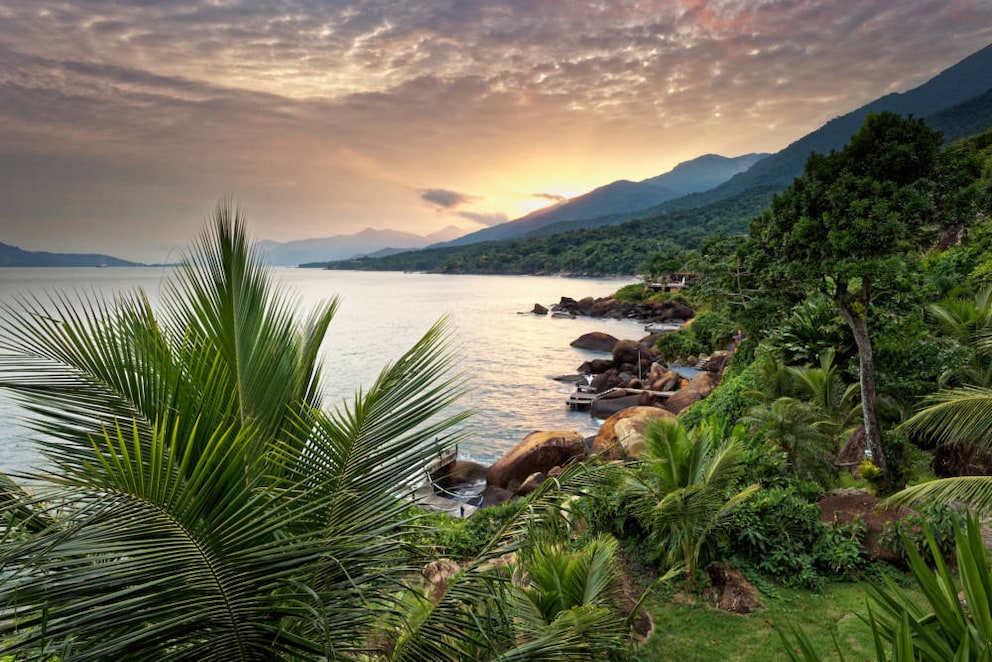
Off the coast of Brazil lies a paradise island: Ilhabela. Here, in 1916, the “Spanish Titanic,” the passenger ship El Príncipe de Asturias, sank after a collision with rocks within just five minutes–along with all its loaded cargo. 445 passengers and crew members lost their lives. The term “Spanish Titanic” refers to the severity of the accident–one of the greatest tragedies in the history of Spanish steamship navigation. When it sank in Brazil, the ship carried 45,000 pounds of gold and 20 bronze statues. The attempted salvage operations after the disaster proved very complicated due to the dangerous conditions of the deep dive and were unsuccessful. The treasure remains hidden on the ocean floor.
5. The Pirate Treasure of Mahé (Seychelles)
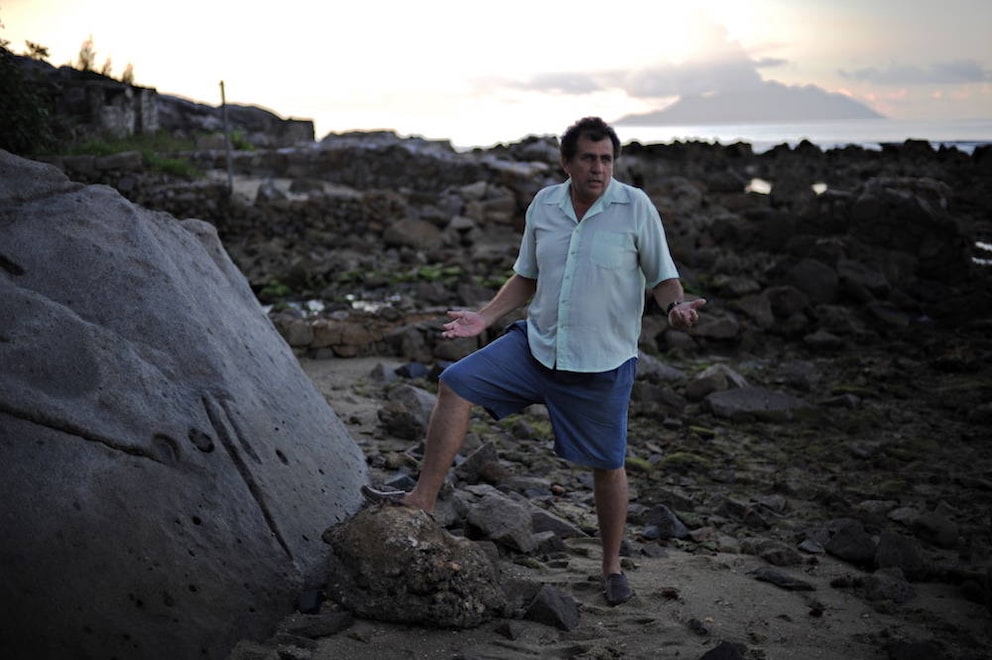
It is considered the greatest pirate treasure of all time–lost on the island of Mahé in the Seychelles: the Pirate Treasure of Mahé. “Find my treasure, whoever can read it!” pirate Olivier Levasseur is said to have shouted in 1730 before his execution, throwing a mysterious treasure map in the form of an encrypted cryptogram into the crowd. The famous pirate was also called “La Buze”–the Buzzard–because he disappeared with his loot in a flash.
According to “Tagesspiegel,” Briton Reginald Cruise-Wilkins spent his life searching for the pirate gold and at least found clues: In a cave, he came across pistols, coins, and a stone sarcophagus–evidence of pirate activity. Legend has it that vast amounts of gold, silver, diamonds, and gemstones worth 200 million U.S. dollars are buried on the island. Obsessed with the pirate treasure legend, son John Cruise-Wilkins followed in his father’s footsteps and has been searching for the riches since 1977. He even offers tours for tourists there today to finance the costly excavations–but has not yet been successful.

Researchers Discover More Than 30 Shipwrecks in Lake Constance!

9 Places Worldwide Tourists Can’t Enter
6. The Nazi Treasure in Lake Toplitz (Austria)
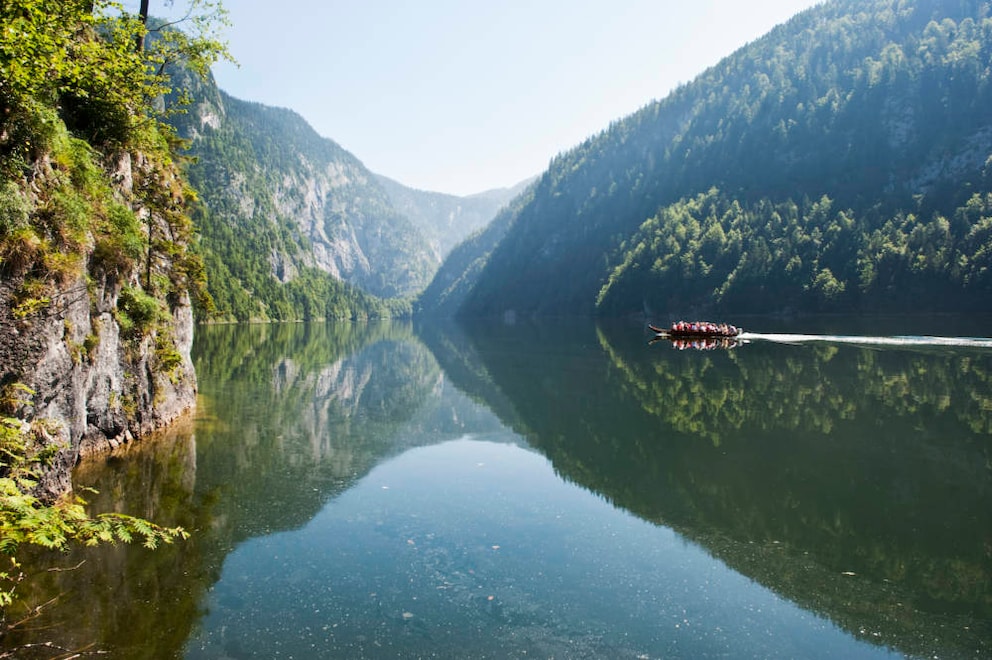
Lake Toplitz holds a mysterious and fascinating history. During World War II, Nazi officials are said to have sunk crates full of gold bars, jewelry, and documents here for safekeeping. In recent decades, divers and adventurers have tried countless times to recover the treasure–so far without success. Conditions are made difficult by diving bans and severe restrictions on underwater research in Lake Toplitz. In fact, only crates of counterfeit money worth 700 million pounds from a Nazi secret operation to destabilize the British economy have been found in Lake Toplitz. Neither gold nor other treasures have ever been recovered–the deep, dark mountain lake continues to hold a secret.
Legend, Conspiracy Theory–or Reality?
Whether the treasure stories are real or just mysterious tales or deliberate conspiracy theories remains uncertain. However, it can be noted that some treasures have indeed been recovered–such as the famous shipwreck of the Galeone San José, which remained unclaimed on the ocean floor for over 300 years. The warship led the Spanish silver fleet in South American waters in 1708. In 2015, the wreck was initially located, and research began in 2024. The only question is: Who has the right to the riches? These are said to amount to a sum of 17 billion U.S. dollars. As “Deutsche Welle” reports, several parties see themselves as rightful owners–including Colombia, Spain, Bolivia, and the salvage company itself.