


August 13, 2025, 1:21 pm | Read time: 4 minutes
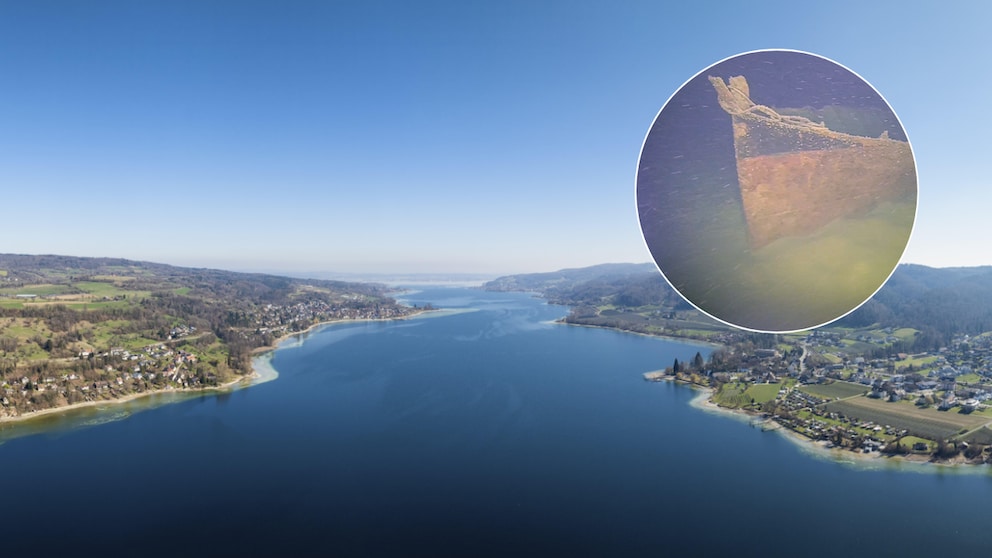
What lies hidden in the dark depths of Lake Constance has largely been a matter of speculation until now. Modern research technologies are now shedding light on the mystery. Using sonar, diving robots, and expert knowledge, the State Office for Monument Preservation is systematically examining the lakebed—and has already identified over two dozen previously unknown wrecks. Some of these not only provide clues about the shipping traffic of past centuries but also open new windows into the lives of earlier societies.
Since 2022, the project “Wrecks and Deep Sea,” overseen by the State Office for Monument Preservation (LAD) in the Stuttgart Regional Council and financially supported by the Ministry of State Development and Housing Baden-Württemberg, has been underway. According to a press release on its website, this is a unique archaeological endeavor of its kind in an inland body of water.
“The project is a unique undertaking in the field of underwater archaeology in inland waters,” said Prof. Dr. Dirk Krausse, state archaeologist at the LAD. The goal is to examine the entire lakebed of Lake Constance for previously unrecognized shipwrecks. This will allow for comprehensive recording, documentation, and monument assessment of wrecks at all depths of the lake.
Over 250 Anomalies, 31 Confirmed Wrecks in Lake Constance
By the end of 2024, more than 250 suspicious structures—known as anomalies—could be located in Lake Constance, which is up to 251 meters deep. According to the report, 186 of these sites have already been systematically investigated. In 155 cases, they were natural formations such as sediment deposits or vegetation. Man-made objects like fish traps were also among them. “In 31 cases, they were indeed wrecks—including both culturally significant objects and modern sports boats and watercraft from recent times,” the LAD writes.

Roman Shipwreck Raised off Mallorca After 1,700 Years

7 Unique UNESCO World Heritage Sites in Germany
Individual Spectacular Sites with Surprises
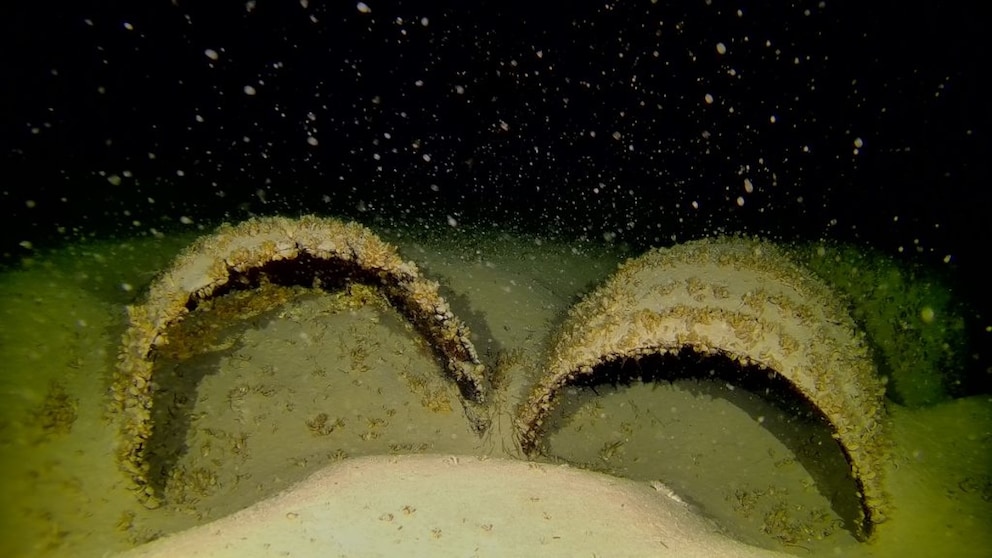
A particularly striking discovery was a widely scattered debris field with at least 17 wooden barrels. “The barrels are partly well-preserved, with some showing lids, bottoms, and potentially barrel marks. Clues to the associated transport ship are still missing, and further investigations are planned,” reports Alexandra Ulisch, a scientific associate in the project.
Additionally, two larger metal ship hulls were located and documented by diving robots. According to Ulisch, based on their dimensions and location, they could be the wrecks of the paddle steamers “SD Baden” (formerly “Kaiser Wilhelm”) and “SD Friedrichshafen II.” However, a final identification is still pending.
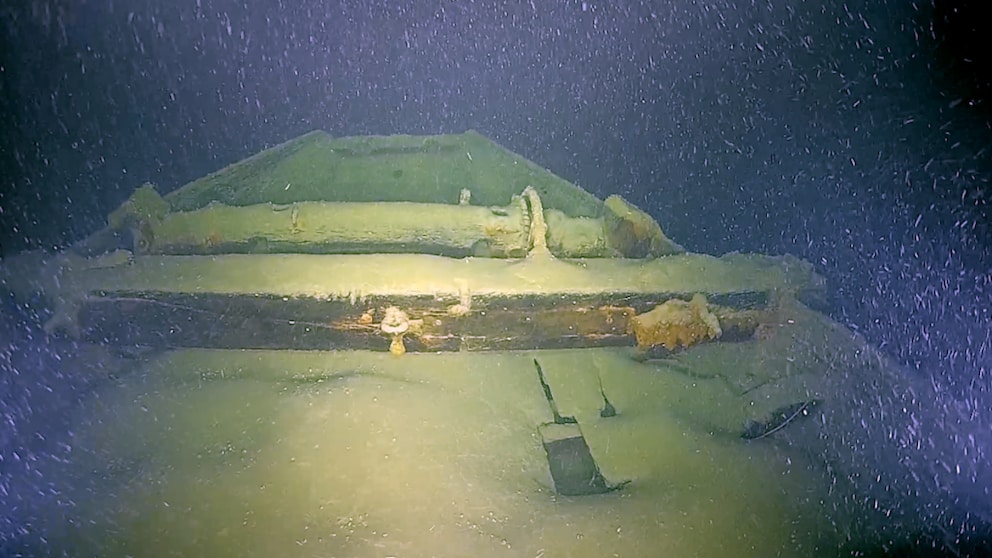
Another highlight was the discovery of an almost completely preserved cargo sailing ship at great depth. The mast and yard are still present—a true rarity. “The find offers unique insights into the sailing technology and shipbuilding of historical Lake Constance ships and represents a significant reference object for research,” said Ulisch.
Time Capsules of Past Societies
The wrecks in Lake Constance not only provide insights into shipbuilding and transport techniques. Through scientific analyses, information about the origin and quality of the transported goods can also be obtained. These finds contribute to the reconstruction of the economic and social contexts of the respective time. “Through well-founded, thorough archaeological research, we gain insights into the living conditions of past societies and can make statements about many different aspects of the world at that time,” explains Dr. Julia Goldhammer, the project leader.
For Alexandra Ulisch, every wreck is a piece of living history. “Wrecks are far more than just lost vehicles—they are genuine time capsules that preserve stories and craftsmanship from long ago. Whether Titanic, HMS Terror, Säntis, or Lady Jay: All examples impressively show that wrecks fascinate people.”
By the summer of 2027, all investigations are expected to be completed. Further results are anticipated then—and could further sharpen the image of Lake Constance as an archaeological treasure.