

January 28, 2026, 12:01 pm | Read time: 5 minutes
Have you heard of the “ugliest city in the world”? There is indeed a city that has been considered the epitome of urban bleakness for years. Gray concrete and abandoned industrial sites dominate the landscape–there’s no trace of a picturesque postcard view. We’re talking about Charleroi in southern Belgium. What truly makes this city the “ugliest in the world” and why it’s still worth a visit in the age of pop culture, you’ll find out here.
When thinking of Belgian cities, cobblestone old towns, bell towers, and cafes with fresh waffles come to mind. But in this city, it’s industry over idyll: Charleroi is not a classic travel destination but rather a place for true explorers. Those who judge cities not only by beauty but also by history, atmosphere, and change are in the right place here. And that’s precisely the appeal of the “ugliest city in the world”–it draws attention because of this reputation.
Why is Charleroi the “ugliest city in the world”?
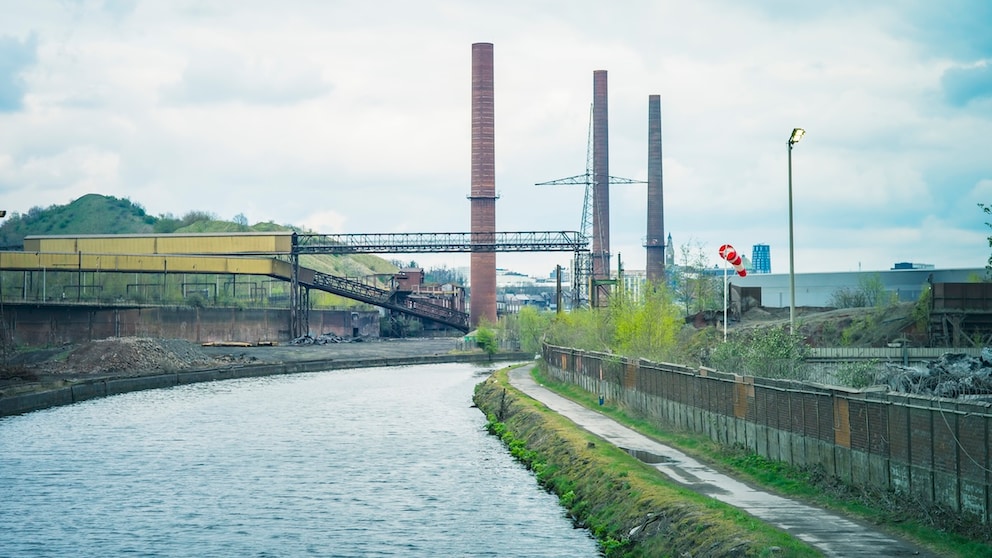
According to the “FAZ,” the title “ugliest city in the world” stems from an international poll by the Dutch newspaper “de Volkskrant” in 2008. Since then, Charleroi has carried this name, which has been repeatedly picked up by media and travel guides. The label has developed into an image that some residents now ironically smile at. But there is plenty in this city that justifies the reputation: vast, derelict industrial areas, old mining towers, and decommissioned factories shape the overall picture. In the 19th and early 20th centuries, Charleroi was one of Belgium’s industrial centers due to coal mining, steel production, glass, and chemical industries. With the decline of these industries from the 1970s, the massive factory complexes remained visible–and quite dominant.
However, a closer look reveals not only decay but also a modest yet vibrant rethinking in terms of urban design. This mix of industrial heritage, pop cultural influences, and targeted urban renewal explains why Charleroi is now perceived both as a morbid travel motif and as an experimental field for creatives. What is demolished or hidden elsewhere is part of the true identity here. Charleroi does not present itself as a renovated showcase beauty but as a city in process. The decay is visible but plays a positive role today: old industrial areas now serve as backdrops for culture, pop, and urban experiments.
Urban Pop Culture and Street Art
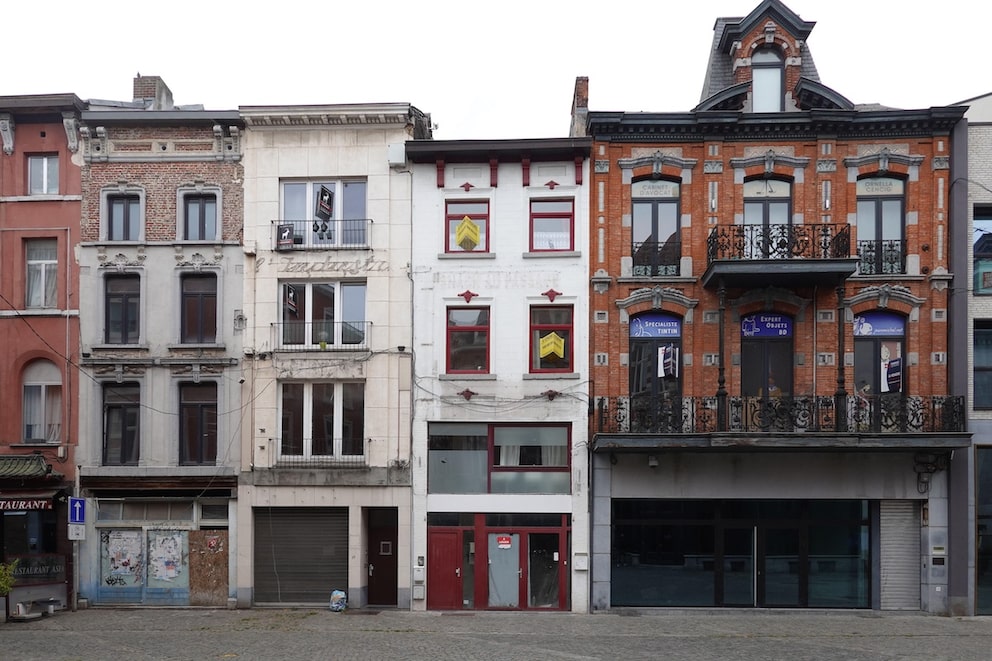
Charleroi is not a deserted place today: a unique form of tourism has emerged from the original environment. The city is considered a destination for “urban explorers,” photographers, and culturally interested travelers–creativity is at the forefront here. A central role is played by the “Boucle Noire”–a 20-kilometer loop through former industrial areas and past street art sites. The route was originally developed as an artistic intervention–today it is officially promoted and often guided. Guided tours through the city’s post-industrial heritage are also offered–not to beautify the “ugliest city in the world,” but to contextualize its history.
In parallel, art is playing an increasingly important role in Charleroi. Street art projects like “Urban Dream” shape entire streets along the Sambre River and former industrial areas in public spaces. Between chimneys, cranes, and old workshops, unexpectedly colorful contrasts emerge, giving the cityscape a new shine. A well-known example is the large-format lettering “Bisous M’Chou” at the Grand Palais, which has long become a symbol of the city’s new self-confidence. The motif even inspired beer and merchandising ideas–ironic but identity-forming.
Also interesting: These are Germany’s “worst” cities
Cultural Sites and Landmarks
Charleroi has also opened up institutionally. The city hosts the largest photography museum in Europe, with a collection of more than 80,000 works housed in a former monastery. Cultural venues like the Le Vecteur center provide space for concerts, exhibitions, and experimental formats. There are also visible references to the comic tradition of the region around the publisher “Dupuis,” from which world-famous characters like the Marsupilami have emerged.
Culture and history finally come together in an unusual place: the over 70-meter-high belfry at the town hall is part of the UNESCO World Heritage and reminds us that Charleroi is more than just a former industrial site. A closer look reveals not only decay but also new ideas–and a city that is beginning to reinterpret its industrial history.

These 7 Cities Are Among the Oldest in the World

The Oldest City in the Netherlands That Hardly Anyone Knows
A City for Curious Travelers
Charleroi is focusing on gradual change rather than spectacular prestige projects. This keeps the contrast between old and new visible–and that’s exactly the intention. The influx of artists, creatives, and young entrepreneurs is also a slow process rather than a boom. Low rents, large spaces, and little competition make the city attractive to those who can no longer find a place elsewhere–or who consciously choose this alternative city.
Those seeking romantic old towns or flawless facades will be disappointed here. However, to understand how European cities deal with industrial heritage and authentically develop it further, Charleroi is a remarkable place.
Join Our Big Voting!
Anything but ugly at these three places: TRAVELBOOK is on the hunt for the most beautiful hidden travel destination of 2026. Vote now!