

October 13, 2026, 9:18 am | Read time: 4 minutes
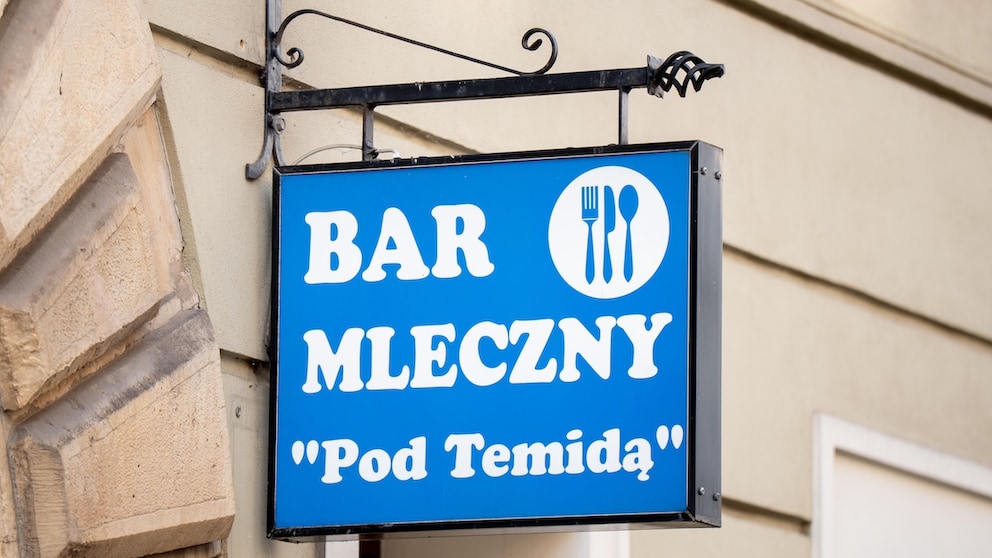
There used to be significantly more. Yet, Poland still has numerous Bar mleczny, or “milk bars.” Do you think they serve milk-based drinks along with cake and pastries? Then you’re mistaken. Contrary to what their name suggests, milk bars offer hearty culinary delights–and at a remarkably affordable price. How this is possible and what else makes these cafeteria-like establishments special can be found at TRAVELBOOK.
Do you enjoy Polish cuisine? It’s known for being quite hearty–with dishes such as pierogi, the famous dumplings filled either savory or sweet, alongside bigos, a robust sauerkraut stew with meat and sausage, as well as the sour rye soup żurek or kotlet schabowy, a breaded pork cutlet. These are the kinds of dishes you can expect at a so-called milk bar. This has a long tradition and has gained significant cultural importance over the years.
The History of Polish Milk Bars (Bar mleczny)
The first milk bar opened in 1896 in Warsaw, as reported by the public radio station “Polskie Radio.” The idea was to offer affordable meals. The concept was not exclusively aimed at the needy–people from different social classes were encouraged to dine at these establishments.
The name Bar mleczny, or milk bar, was indeed justified. While they didn’t serve classic milk drinks like milkshakes, the simple dishes offered were originally based primarily on dairy products, making them relatively inexpensive.
After World War II, milk bars gained additional importance, becoming a staple of public catering in Poland. Often state-supported, they provided workers, students, and retirees the opportunity to enjoy a hot meal even on a low income.
Also interesting: Beaches, food, excursions! The best tips for the Polish Baltic Sea
After 1989, Milk Bars Come Under Pressure
After communism, the situation changed. Post-1989, new restaurants opened in Poland, including international fast-food chains. In contrast, the old cafeteria-like establishments seemed increasingly unattractive, if not outdated. Many people also associated them with a past they wanted to leave behind. The declining demand led to the closure of numerous businesses.
Of the approximately 40,000 milk bars that Poland had at its peak, current estimates according to dpa information suggest there are fewer than 200 establishments nationwide; about 100 of these are said to be in Warsaw alone. They have survived thanks to regular customers, as well as new guests who are enthusiastic about the concept.

Beaches, Food, Excursions: Top Tips for the Polish Baltic Coast
This Country Has the Most Michelin-Starred Street Food Stalls
… but Survive–and Are Now Trending
And lo and behold: By 2026, media are already talking about a trend. A milk bar owner explains in a ZDF report where this might come from. The milk bar excludes no one: “You look each other in the eye and sit over tomato soup. It doesn’t matter if you work in a ministry or as a courier.”
Especially in Warsaw, where high-priced and chic restaurants are currently popping up everywhere, the milk bar principle is refreshingly down-to-earth. Since the coronavirus pandemic, many things have become significantly more expensive. More and more people appreciate the simple charm and, of course, the affordable dishes of the good old milk bars. They don’t even try to appear particularly modern or chic. On the contrary, patina is quite welcome. The establishment shown in the ZDF report is located in a building from the 1950s. Even the floor was deliberately not renewed and is allowed to wear out further, according to the operator.
How Do Milk Bars Manage to Be So Affordable?
The fact that you can still eat so cheaply in Polish milk bars–despite the overall rising prices in the country–has several reasons. To this day, certain meals in Polish milk bars are still state-subsidized. And not least, the establishments keep their costs low: The furnishings are usually simple and functional, as previously described, more cafeteria-like, and additional service is deliberately avoided. Guests order their food at a counter and pick it up themselves once it’s called out.
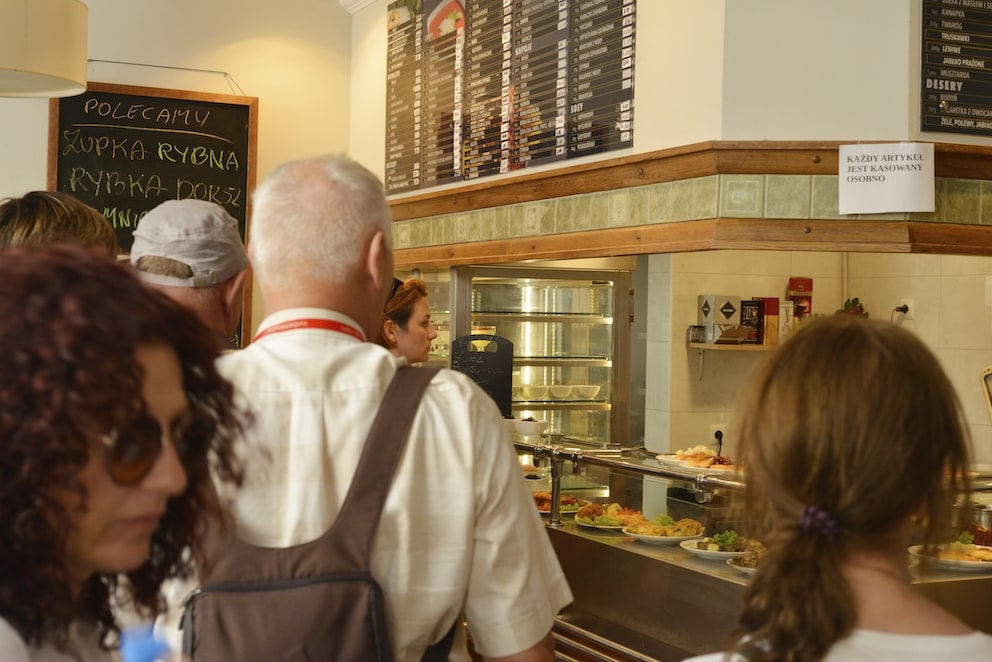
What lands hot and fragrant on the plates are mainly simple dishes made from basic ingredients like potatoes, flour, cabbage, or seasonal vegetables. And because the establishments attract many guests, they can prepare dishes in larger quantities. This also allows for comparatively low prices.