

August 11, 2025, 9:01 am | Read time: 4 minutes
They fan out and test pizzerias around the world incognito. Their judgment can have consequences for the operators. TRAVELBOOK presents the secret mission of the so-called pizza detectives in more detail.
Italian cuisine is known worldwide and generally very popular. This also leads to it being frequently imitated. Specifically, not every pizzeria that claims to be authentic actually has a “real” pizzaiolo at the wood-fired oven adhering to the strict rules for making an original Neapolitan pizza. This is important to many people—and especially to the Associazione Verace Pizza Napoletana (AVPN) (translated as “True Neapolitan Pizza Association”). That’s why they send out so-called pizza detectives for quality control—with a clear mission.
The Secret Job of the “Pizza Detectives”
Founded in 1984, the AVPN is dedicated to protecting and promoting true Neapolitan pizza. It sets precise rules that must be followed in the creation of this culinary heritage—since 2017, Neapolitan pizza has been part of UNESCO’s intangible cultural heritage. Additionally, the organization trains pizza makers and offers courses and workshops to pass on traditional techniques. And: It also apparently checks whether what has been learned is consistently applied.
As reported by online travel magazine “BBC Travel,” the AVPN sends out fully trained and experienced pizza makers, including masters and long-standing members of the association. These undercover pizza inspectors visit pizzerias worldwide unannounced, which claim to prepare authentic Neapolitan pizza. Does the description match the served dough? The pizza detectives evaluate the pizza based on various official criteria.

The 50 Best Pizza Chains in the World

7 Tips and Tricks for Making the Perfect Pizza at Home
How the Pizza Experts Conduct Their Tests
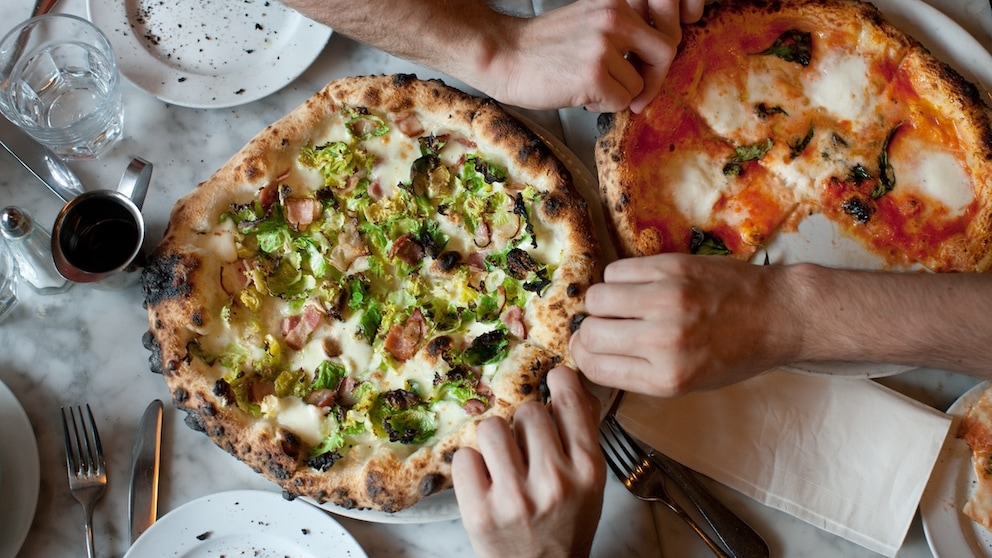
As a reminder: Characteristic of Neapolitan pizza are the thin, rather soft base, the thick, airy crust, and the slightly charred edge that results from high baking temperatures. The dough preparation is crucial. For example, type 00 flour must be used, the water addition must be correct, and the dough must rise for at least eight hours. Additionally, the correct oven temperature and baking time are essential. The pizza detectives assess the thickness, shape, and size of the pizza as well as the use of permissible basic ingredients. Desired toppings include original San Marzano tomatoes, and the cheese must be either Fior di Latte or buffalo mozzarella.
The experienced testers try to determine whether the various requirements are met based on visual and tactile characteristics as well as taste. Sometimes they also gather information in the restaurant’s kitchen. Clearly, they can’t always make an absolutely reliable statement. If there is justified doubt about an original Neapolitan preparation, a scheduled inspection may follow. During this visit, the officially dispatched pizza expert will also inspect the bakery and storage, according to “BBC Travel.”
Also interesting: Here Is Where You Can Find the Best Pizza in the World
What Happens When the Strict AVPN Guidelines Are Violated
If evidence of non-compliance with the strict pizza guidelines hardens, the AVPN grants the establishment a 30-day period to make the necessary corrections. In the case of repeated violations, it reserves the right to revoke the establishment’s certification. This also includes the permission to use the association’s official seal of approval.
It should be explained here that the so-called pizza detectives do not operate in every snack bar in the world. Logically, with a thin Hawaiian pizza on the menu, a place does not call itself “authentically Italian,” let alone “specifically Neapolitan.” The AVPN’s envoys specifically visit partner establishments, namely pizzerias that have once applied for membership in the association and have proven their competence as producers of true Neapolitan pizza. After undergoing a strict review of the outlined requirements, they are allowed to display the AVPN emblem as a badge of honor. It is recognized worldwide as proof of quality.