

September 1, 2026, 8:32 am | Read time: 4 minutes
There is ice cream–and then there is authentic Italian gelato. This differs from the simpler varieties we find in supermarkets, mainly due to its method of production and distinctive creaminess. Those who appreciate Italy for its culinary offerings will likely enjoy a scoop or two alongside pasta, pizza, and more during their visit. Few people know that U.S. military technology played a role in the development of modern gelato. TRAVELBOOK delves into this surprising history.
For many travelers, gelato is an essential part of an Italian vacation. Italians themselves strongly identify with their delicious frozen cultural heritage. The depth of Italy’s love for gelato is showcased at the Carpigiani Gelato Museum, which is dedicated to the history, culture, and technology of gelato.
The museum’s website traces the development of gelato from its earliest forms through the Renaissance to the mechanization of production in the 20th century. Exploring these stages is worthwhile, as they reveal an intriguing historical detail. While Italian ice cream makers advanced gelato’s development, a technology originally developed for other purposes also contributed.
From Sorbets of Snow and Ice to Creamy Gelato
As early as antiquity, people used snow and ice from the mountains to cool drinks and desserts. The Romans also used frozen precipitation to chill wine. In medieval Sicily, these older cooling techniques combined with influences from the Arab world, leading to early forms of granita made from snow from Mount Etna and flavored juices, inspired by sherbet (chilled drinks made from water, fruit juice, or rose water).
Also interesting: In Sicily, ice cream is eaten for breakfast
But ice cream lovers will confirm: There is a world of difference between crystalline granita and creamy gelato. A key figure in further development was the Florentine artist and architect Bernardo Buontalenti. In the 16th century, he reportedly developed a relatively creamy dessert made from milk, eggs, sugar, and flavors. However, it was still quite different from today’s gelato, resembling more of a frozen pudding, as described by “BBC Travel.” Additionally, the technical possibilities of the time posed certain challenges. The ice had to be produced, cooled, and consumed quickly on-site, as longer transport without modern cooling technology was hardly possible.
The Technology That Could Solve the Cooling and Storage Problem
In post-war Italy, the Bagnoli family ran a small dairy shop in Empoli–Sammontana–where they also sold homemade gelato in the summer. In 1948, the three Bagnoli brothers turned it into an artisanal ice cream lab. However, the technology of the equipment used at the time remained a limiting factor. To address this, the men turned to a surprising source.
As detailed at the Museo del Marchio Italiano, which explores the origins of famous Italian brands, the Bagnolis found usable parts from machines for making typical American ice cream in a scrapyard in Genoa. These had been left behind by the U.S. Army after the war. The brothers adapted the machines to their own needs, laying the foundation for the mechanization of Sammontana’s production.
The effect was immediate–and enormous. Gelato could now be produced in larger quantities with less manual labor. The small ice cream lab could now become a real business.

Why Ice Cream Hardly Melts in This Popular Vacation Destination

The 10 best ice cream parlors in Germany
When the Cold Chain Also Took Shape
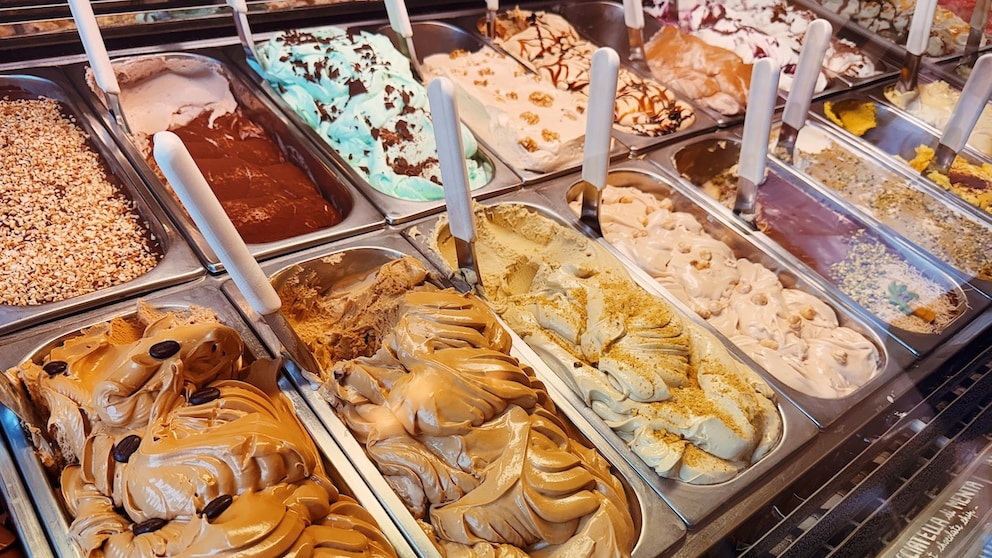
However, producing more gelato was only part of the equation. It also needed to be cooled and delivered to customers. The Bagnolis found solutions for this as well, gradually expanding their cooling and transport technology. They developed standardized metal containers, similar to the typical gelato metal tubs used in gelaterias to serve the creamy Italian ice cream. These allowed gelato to be transported and then sold directly in bars and cafes. This meant the ice cream no longer had to be made at the same location where it was sold, allowing Sammontana to offer their ice cream beyond Empoli.
Significant but Also Decisive Influence of U.S. Technology?
It can certainly be said: American military technology gave Sammontana’s development a boost. This allowed a small Tuscan ice cream production to evolve into a system that connected production, cooling, and distribution. The modified equipment played a crucial role in making gelato the mass phenomenon we know today.
However, it’s conceivable that this could have happened without the decommissioned U.S. technology–perhaps at a different time and in a different way.